



A ’90s thriller Lost in 2025
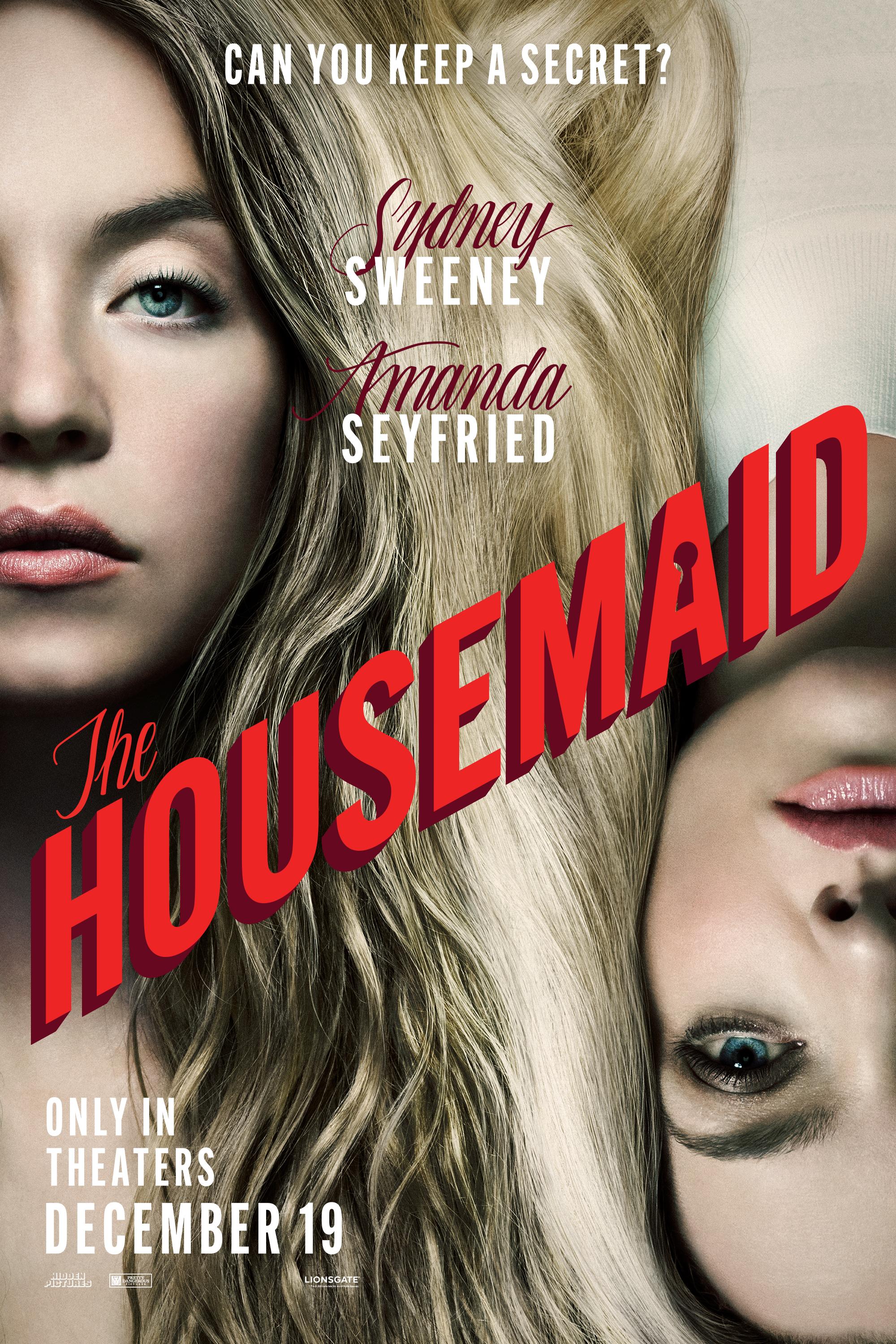
There was a time when a glossy, mid-budget erotic thriller like The Housemaid would’ve cleaned up at the box office. Built from the same dna as Fatal Attraction and Basic Instinct, Paul Feig’s adaptation of Freida McFadden’s bestseller feels engineered for gasps, whispered gossip, and audience participation. Unfortunately, in today’s fractured theatrical ecosystem—and with one crucial casting misfire—it never fully commits to the kind of trashy excellence it’s reaching for. What emerges is a film that flirts with camp brilliance but settles for inconsistency.
Story: Too Good to Be True, Too Slow to Ignite
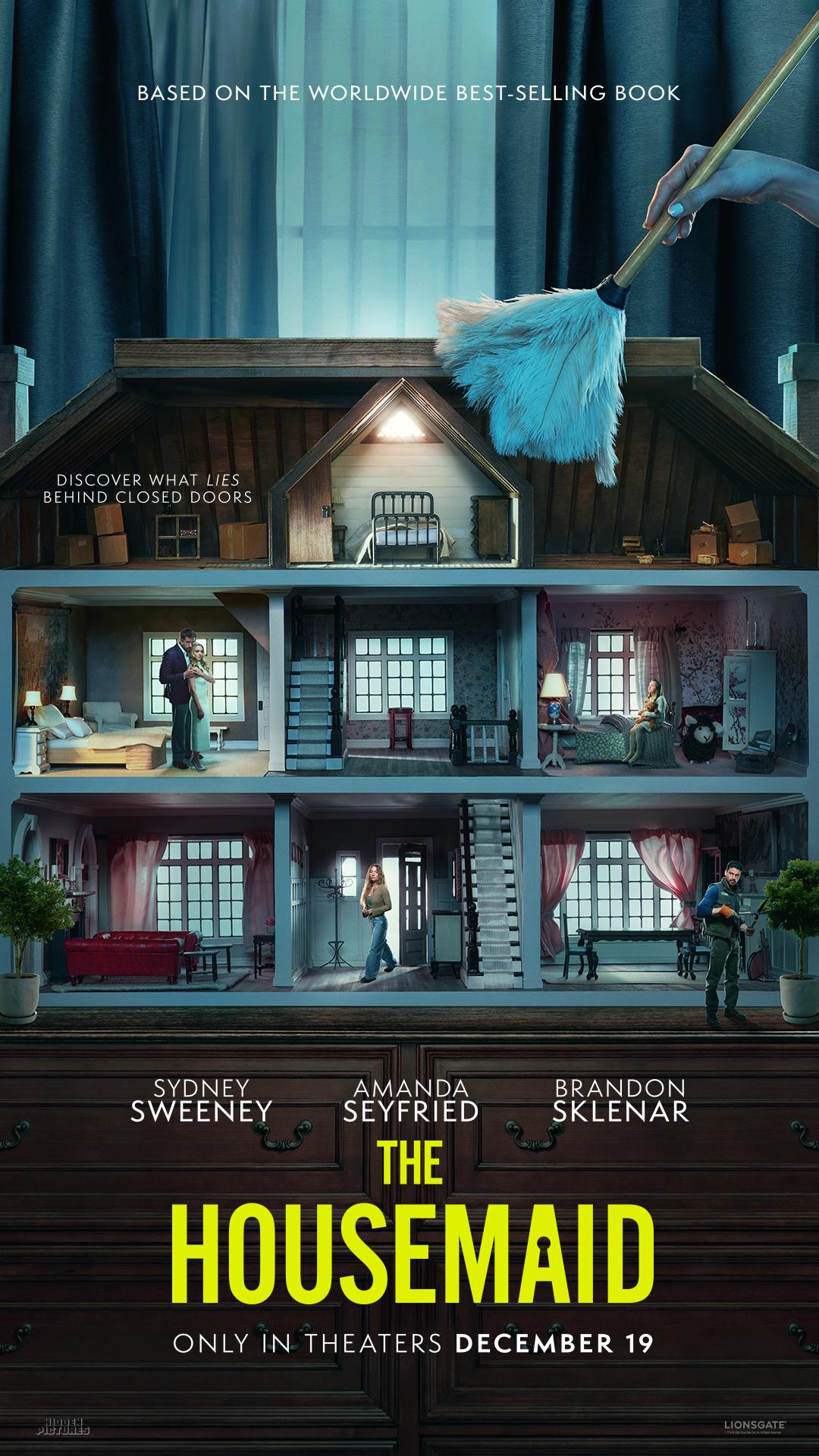
Sydney Sweeney stars as Millie Calloway, a woman on the run from a shadowy past who lands what seems like a miracle job as the live-in housemaid for the wealthy Winchester family. Amanda Seyfried’s Nina is immediately volatile, brandon Sklenar’s Andrew is impossibly charming, and the mansion itself radiates ominous luxury. As Nina’s behavior turns cruel and manipulative, Millie’s attraction to Andrew deepens—setting off a familiar but effective thriller domino chain.

On paper, it’s classic pulp. In execution, the setup feels rushed and oddly hollow. Relationships are sketched in broad strokes, emotional beats are skipped past rather than earned, and the early tension never quite tightens. The result is a first act that plays like a prestige Lifetime movie desperately trying to sprint toward its twists.
Direction & Tone: Feig’s Identity Crisis
Paul Feig is no stranger to heightened storytelling, but The Housemaid often feels unsure of what kind of movie it wants to be. Is it a sleek psychological thriller? A campy erotic throwback? A social commentary wrapped in genre trappings? The answer seems to change scene by scene.
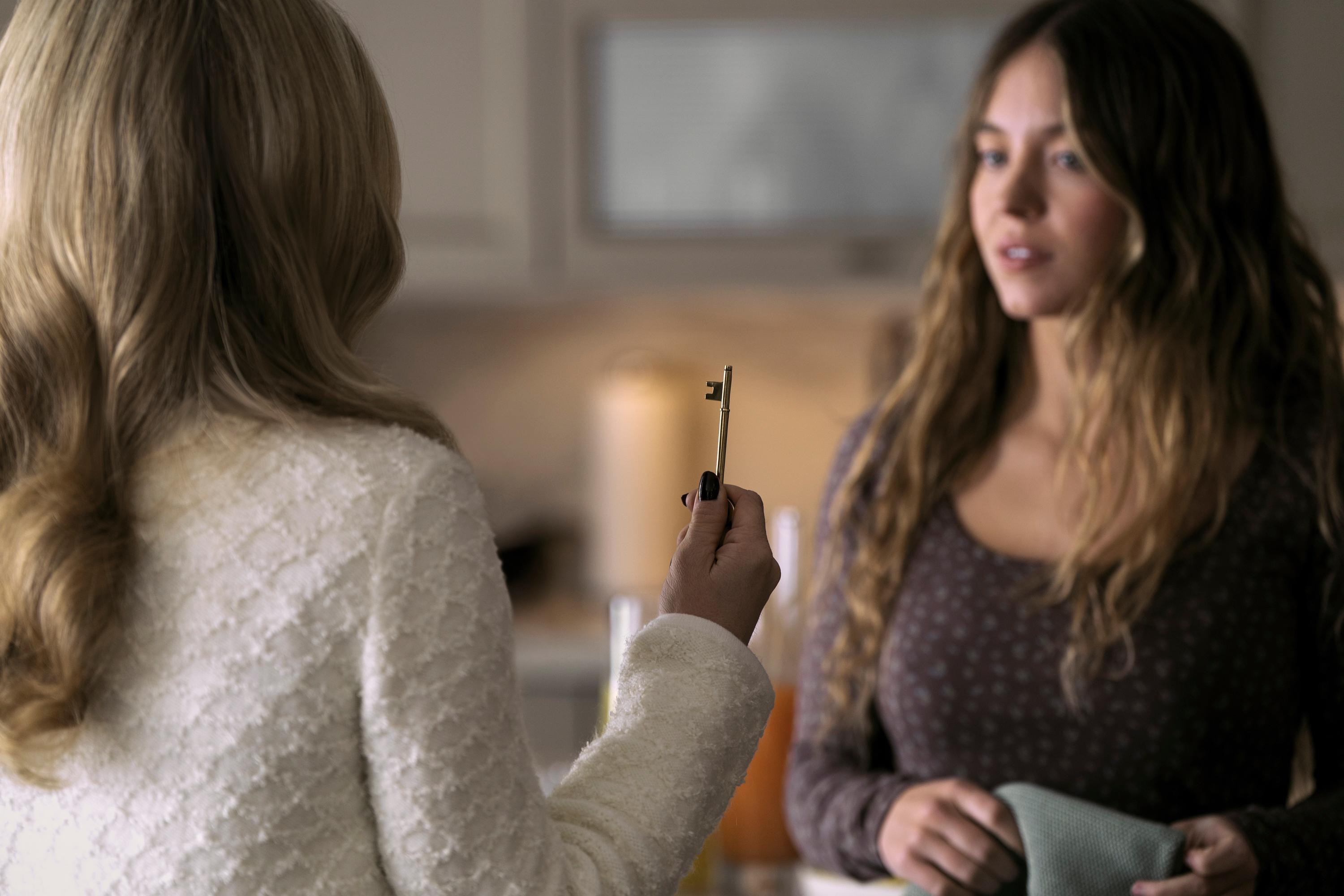
Visually, john Schwartzman’s cinematography is polished but uninspired, while Theodore Shapiro’s score functions more as background noise than emotional driver. Feig’s usual technical collaborators are present, but the spark is missing—at least until the film finally loosens up in the second half.
Performances: One Major Weak Link
Amanda Seyfried is the movie’s MVP. Fully embracing Nina’s unhinged energy, she plays the “crazy wife” archetype with gleeful excess. In lesser hands, the character would feel regressive or offensive; Seyfried turns her into a camp spectacle, chewing scenery just enough to keep the film alive.
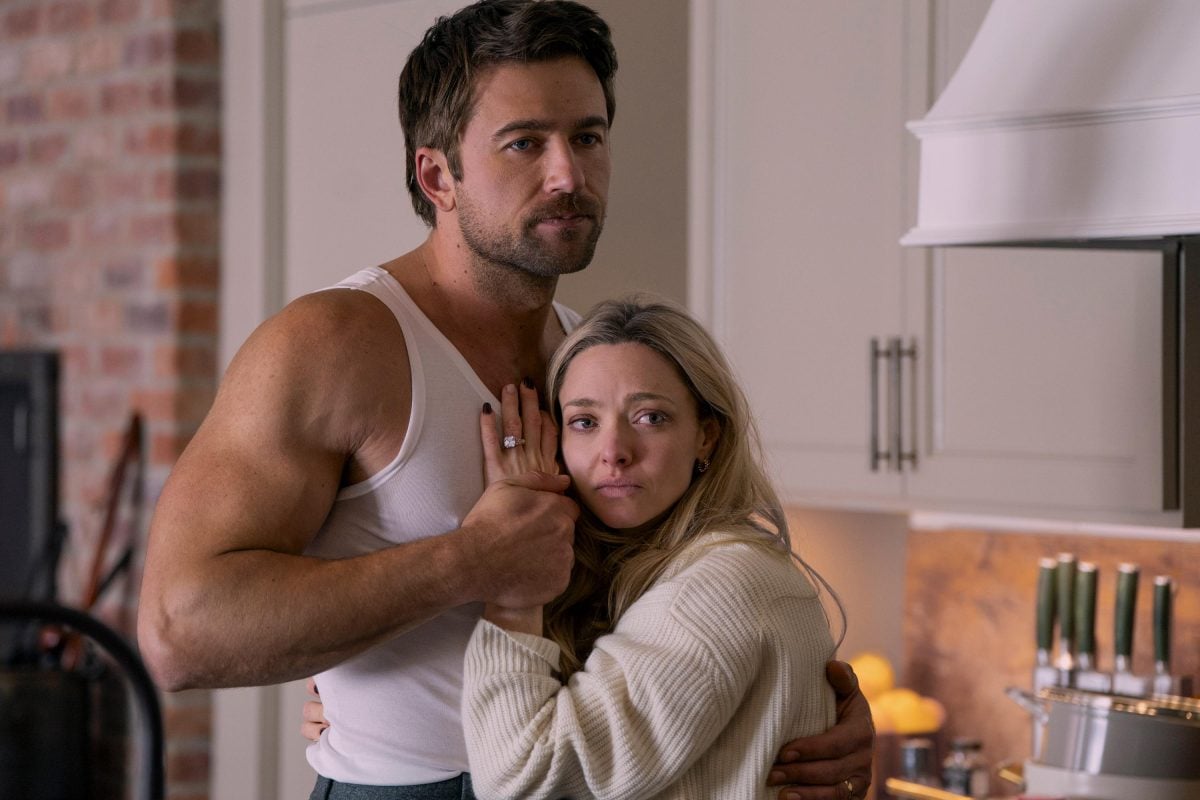
brandon Sklenar is equally effective, weaponizing charm and ambiguity. His performance evolves dramatically once the narrative pivots, and he navigates those shifts with ease, becoming far more compelling as the film progresses.

Sydney Sweeney, however, is the film’s Achilles’ heel. Despite past performances that hinted at real depth, she never finds Millie’s emotional center. Her portrayal relies heavily on blank stares and muted delivery, draining tension from scenes that desperately need volatility. When the film’s biggest twists arrive, Sweeney simply can’t sell the transformation—leaving the story lopsided at the worst possible moment.
When It Finally Clicks: Trash Triumphs (Briefly)
Midway through, The Housemaid flips its board. Power dynamics shift, motivations unravel, and Feig finally allows the film to revel in its own absurdity. The pacing slows down in a good way, letting tension breathe and camp seep in. Seyfried and Sklenar adapt seamlessly, becoming almost entirely new characters.
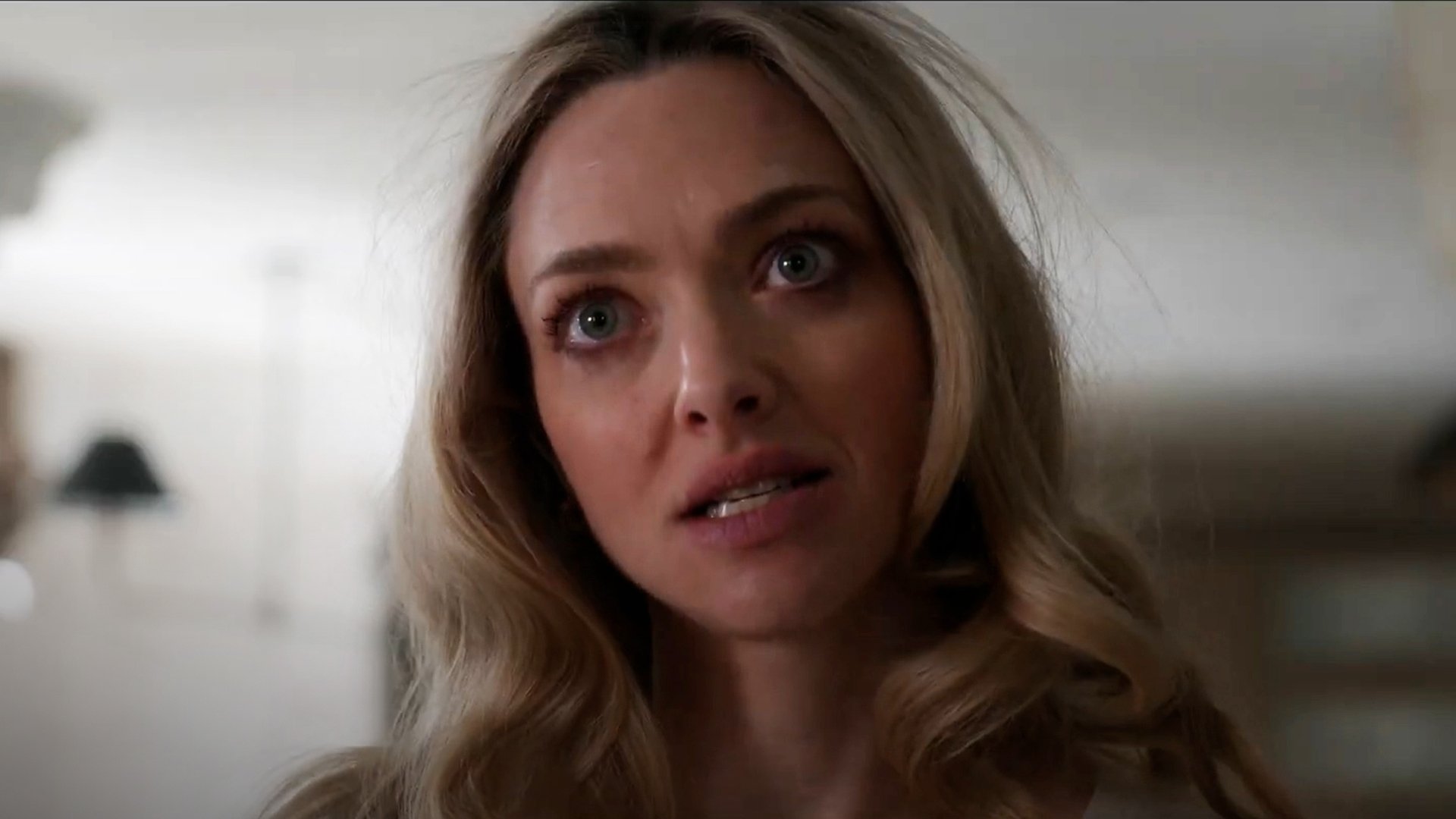
This is the movie The Housemaid should have been from the start: outrageous, manipulative, and proudly indulgent. It’s not subtle, but it’s fun—and in moments, genuinely gripping.
Themes & Camp: Clumsy but Addictive
The film gestures toward themes of misogyny, class imbalance, and male entitlement, but these ideas function more as narrative seasoning than substance. And honestly? That’s fine. Like a soap opera masquerading as prestige, The Housemaid becomes compelling precisely because of its excess.
The sex scenes are bluntly provocative, clearly designed to stir the audience rather than deepen character. The film wants viewers to gasp, shout warnings at the screen, and lean forward—and when it commits to that goal, it succeeds.
What Works 🩸
• Amanda Seyfried is going full camp, carrying the first half
• Brandon Sklenar’s evolving performance, especially post-twist
• Second-half tonal shift that finally embraces trashy fun
• Twists that genuinely reframe earlier scenes
• Audience-reactive design that encourages gasp-and-groan viewing
What Doesn’t 🧹
• Sydney Sweeney’s miscasting sinks emotional credibility
• Flat, rushed first act with underdeveloped relationships
• Inconsistent tone between the prestige thriller and the camp
• Surface-level social commentary is used more as decoration than depth
Analysis: Junk Food That Almost Hits the Spot
The Housemaid is cinematic junk food—salty, sugary, and vaguely unsatisfying unless you’re in the exact right mood. It wants to be provocative and playful, but too often hesitates, as if afraid to fully lean into its own ridiculousness. When it finally does, it’s already done some damage it can’t undo.
Still, there’s something oddly admirable about its commitment to manipulation. It knows exactly what reactions it wants, and by the end, it gets most of them.
Bottom Line: Trashy, Tantalizing, and Tragically Uneven
The Housemaid is neither a disaster nor a triumph—it’s a missed opportunity that still manages to be entertaining. With a bolder tonal commitment and a stronger lead performance, it could’ve been a modern cult classic. As it stands, it’s a watchable, forgettable thrill ride that scratches an itch and moves on.
 click and follow Indiaherald WhatsApp channel