



A Scientific Breakthrough That Could Change Millions of Lives
Every year, millions of people around the world are affected by infections caused by Human Papillomavirus (HPV). Often silent and undetected, certain strains of this virus are closely linked to cervical cancer and several other serious diseases. That’s why new research emerging from mexico is attracting global attention — because it suggests a promising new way to eliminate high-risk HPV infections without invasive procedures.
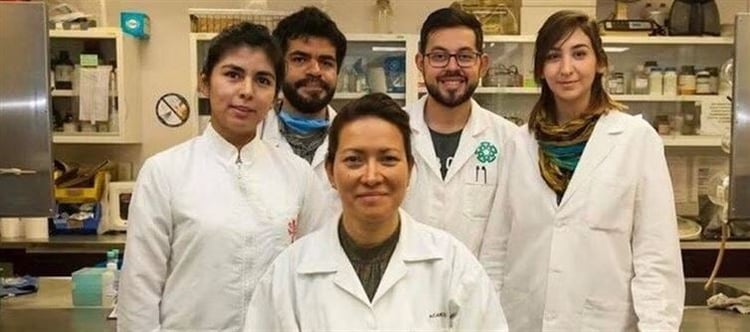
At the center of this breakthrough is Mexican researcher Eva Ramón Gallegos, whose team has been studying how photodynamic therapy could be used to target and destroy HPV-infected cells.
1. A New Approach to Fighting HPV
The research focuses on photodynamic therapy — a treatment that combines light-sensitive compounds with targeted light exposure. When activated, the therapy selectively destroys infected or abnormal cells while leaving healthy tissue largely unharmed.
2. Targeting the Most Dangerous Strains
The study examined the therapy’s impact on HPV-16 and HPV-18, two high-risk strains responsible for a large proportion of cervical cancer cases worldwide.
3. Published Scientific Evidence
The findings were detailed in the peer-reviewed study “Effectiveness of Photodynamic Therapy in Elimination of HPV-16 and HPV-18 Associated with CIN I in Mexican Women,” published in the journal Photochemistry and Photobiology and indexed in PubMed.
4. Promising Clinical Results
According to the research, the therapy showed encouraging results in eliminating high-risk HPV infections linked to **Cervical Intraepithelial Neoplasia (a precancerous condition). Importantly, the treatment achieved these outcomes without surgery or other invasive interventions.
5. Why This Matters for Global Health
HPV remains one of the most widespread sexually transmitted infections worldwide. Many cases go undetected until serious complications develop. If therapies like this can be scaled and validated through larger clinical trials, they could dramatically reduce the global burden of HPV-related cancers.
For now, the research stands as a powerful reminder of something important: breakthroughs can come from anywhere — and when they do, they have the potential to save millions of lives.
 click and follow Indiaherald WhatsApp channel