



The Narrow Waterway That Could Shake the Global Economy
The Strait of Hormuz has once again become the centre of global tension. This narrow stretch of water between iran and the gulf states carries nearly 20% of the world’s oil supply, making it one of the most critical—and vulnerable—shipping routes on the planet.
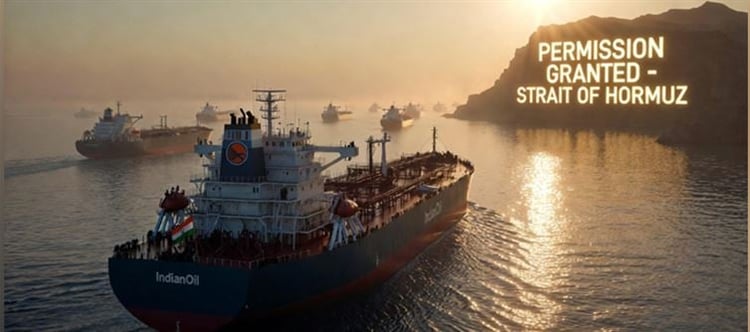
Amid the escalating US–Israel–Iran confrontation in 2026, iran has been warning that it could disrupt or restrict shipping through the strait. Yet in a surprising twist, several Indian oil tankers have reportedly been allowed to pass through safely, raising questions about diplomacy, strategy, and the fragile balance currently holding the region together.
1. Iran’s Selective Passage Policy
Recent reports and vessel-tracking data indicate that Iran’s Islamic Revolutionary Guard Corps (IRGC) has been selectively allowing ships from certain countries to transit the strait.
Tankers from nations considered non-Western or neutral—including India—have reportedly been granted passage despite broader threats of blockade.
One such vessel, MT Pushpak, is said to have successfully crossed the waterway without incident.
2. Diplomacy Behind the Scenes
The safe transit didn’t happen in isolation. It followed diplomatic discussions between India’s External Affairs minister S. jaishankar and Iran’s foreign minister, where energy security was reportedly a key topic.
With india heavily dependent on imported energy, ensuring uninterrupted tanker movement through Hormuz has become a top strategic priority.
3. The U.S. Rejects “Permission Politics.”
Washington has taken a firm stance against Iran’s approach.
The united states insists the Strait of Hormuz is international waters, meaning no country has the authority to decide which ships can or cannot pass. Former President Donald Trump has warned of massive retaliation if iran attempts to fully block oil flows.
U.S. naval forces in the region have already launched operations aimed at keeping the route open.
4. A Potential Flashpoint at Sea
iran has reportedly warned vessels linked to the united states and its allies that they could face interception by IRGC patrol boats, drones, or missile systems.
In response, the U.S. Navy has prepared escort missions for commercial ships, increasing the risk that a confrontation at sea could spiral into a larger military clash.
The Uncertain Reality
For now, indian tankers appear to be navigating Hormuz without major disruption. But the situation remains volatile.
In one of the world’s most strategic waterways, safe passage today does not guarantee safe passage tomorrow—and every tanker entering those waters is sailing through one of the most dangerous geopolitical fault lines on Earth.
 click and follow Indiaherald WhatsApp channel