


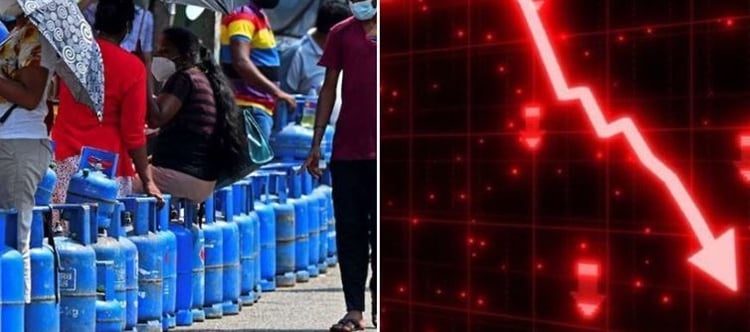

It starts quietly—longer queues, delayed refills, a missing LPG cylinder. Then it spreads. Across parts of Asia, fuel and cooking gas shortages are no longer warnings—they’re visible, everyday disruptions. But is this the beginning of an economic collapse, or a sharp but temporary shock? The answer sits somewhere in between—and it’s unfolding fast.
1. The Countries Feeling It First
From bangladesh and sri lanka to India, Pakistan, and the Philippines, reports of fuel queues and LPG shortages are surfacing. These are economies heavily dependent on imported energy—and they’re the first to feel the squeeze.
2. The Trigger: A Choked Artery of Global Oil
Tensions in the Middle east have disrupted flows through the Strait of Hormuz, a route that carries roughly 20% of the world’s oil and LNG. When that artery tightens, Asia feels it immediately.
3. Why Developing Nations Take the Hit
Unlike wealthier countries with strategic reserves and diversified energy sources, many Asian economies run on thinner buffers. When supply tightens, shortages show up fast—at petrol pumps and in home kitchens.
4. Real-World Impact: Queues, Rationing, Cutbacks
Governments are already reacting—price caps, rationing, even reduced workweeks in some regions. For ordinary people, it means longer waits, higher costs, and daily uncertainty.
5. India’s Situation: Strain, Not Collapse
In India, LPG shortages have triggered visible queues in cities like delhi and Chennai. With around 90% import dependence, disruptions hit quickly. Still, buffer stocks and increased domestic output are preventing a full-blown crisis—for now.
6. The Bigger Economic Ripple
Higher fuel costs don’t stay confined—they push up inflation, slow growth, and strain household budgets. Analysts warn of a potential dip in GDP if disruptions drag on.
🔥 FINAL WORD:
This isn’t an economic collapse—but it’s a warning shot. The longer the disruption lasts, the deeper the impact will cut. For now, it’s a test of resilience. For the future, it’s a reminder: energy security isn’t optional anymore—it’s survival.
 click and follow Indiaherald WhatsApp channel