


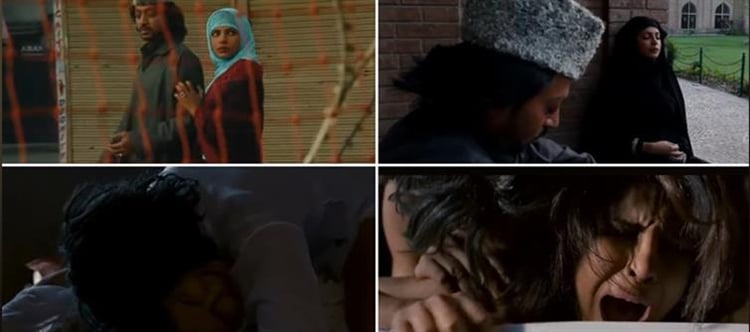

When a story triggers outrage, it’s worth asking—what exactly is making people uncomfortable? Is it religion, or is it the mirror the story holds up? The debate around Chiraiya isn’t just about representation—it’s about something far more fundamental, and far more unsettling: consent.
The Real Issue Beneath the Noise
1. A Familiar Narrative, Different Reaction
The themes being discussed today aren’t new. Films like 7 Khoon Maaf have previously portrayed disturbing dynamics within relationships, including forced intimacy. Yet, the reaction then didn’t spiral into the same kind of widespread outrage.
2. Misplaced Framing of the Debate
Labeling Chiraiya as an attack on religion shifts the conversation away from its core issue. The story isn’t about faith—it’s about boundaries, dignity, and the right to consent within a relationship.
3. Consent Doesn’t Discriminate
The concept of consent applies across all communities, cultures, and religions. It is not tied to identity—it is tied to human rights. Ignoring that reduces the conversation to noise rather than meaningful dialogue.
4. An Uncomfortable Reflection
What’s striking is how opposition seems to cut across divides, with voices from different backgrounds reacting strongly. That suggests the discomfort may not be about religion at all—but about confronting deeply ingrained attitudes.
5. The Larger Social Question
At its heart, this debate asks a difficult question: how do we view a woman’s role within marriage? As an equal partner with the agency, or someone expected to endure without question?
The Bigger Picture
Stories like Chiraiya don’t create problems—they reveal them. The real challenge isn’t the narrative itself, but the resistance to engaging with what it represents. Because until the conversation shifts from outrage to understanding, the issue of consent will continue to be misunderstood—and unresolved.
 click and follow Indiaherald WhatsApp channel