


⚡ A Boom at the Top, A Standstill Below
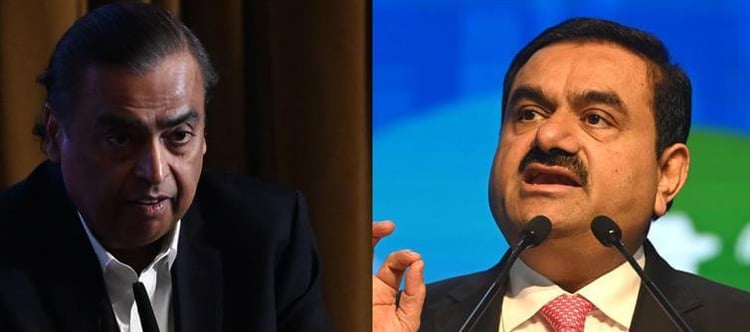
India’s economic story is often told as a success narrative—but a new report is forcing a harder look at who’s really benefiting. According to Wealth Tracker india 2026, the wealth of the country’s five richest families has surged by a staggering 400% between 2019 and 2025. At the same time, the bottom half of the population has seen little to no movement.
📊 1. The Scale of the Gap
The numbers are hard to ignore. The richest 1% now control over 40% of the country’s wealth, while the bottom 50% holds just 6.4%. The report argues that this level of inequality is comparable to colonial-era disparities—an uncomfortable comparison that raises serious questions.
💰 2. The Ultra-Rich Explosion
The study identifies 1,688 ultra-rich individuals—each with over ₹1,000 crore in net worth—whose combined wealth now exceeds ₹166 lakh crore, nearly half of India’s GDP. It’s a concentration of wealth that’s both unprecedented and deeply polarizing.
⚖️ 3. The Wealth Tax Argument
One of the report’s most debated proposals is a progressive wealth tax ranging from 2% to 6% on this ultra-rich group. According to estimates, this alone could generate over ₹10 lakh crore annually—enough to significantly boost welfare spending.
🏥 4. What That Money Could Do
The implications are massive. The report suggests this revenue could increase public spending on health and education, fund pensions for the elderly, and expand basic services. It frames the argument not as redistribution, but as reinvestment.
📉 5. Two Economies, One Country
Researchers behind the report describe a stark reality: one india where wealth is compounding rapidly, and another where millions remain financially fragile, indebted, and struggling with unstable employment.
🔥 6. The Bigger Debate
This isn’t just about numbers—it’s about policy, priorities, and the future of economic balance. Critics question whether wealth taxes are practical or sustainable, while supporters argue they’re essential to address widening inequality.
⏳ Final Take
India’s growth story is undeniable—but so is the gap it’s creating. The real question now isn’t whether inequality exists. It’s how long it can be ignored.
 click and follow Indiaherald WhatsApp channel