
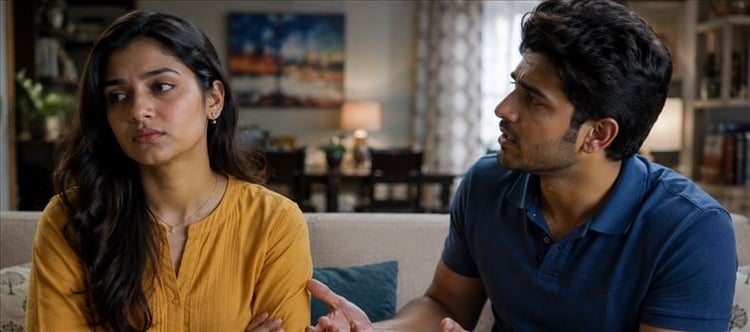


Scroll through social media long enough, and you’ll eventually run into a certain kind of relationship content — emotionally charged, brutally phrased, and designed to sound like forbidden “truths” nobody else is willing to say out loud. These posts usually frame women as manipulative, emotionally calculating, impossible to trust, and permanently attracted to emotionally unavailable men. And because the language sounds confident and unapologetic, millions of frustrated people instantly relate to it.
That’s exactly why this kind of content spreads so aggressively online.
At its core, the message is always the same: don’t trust words, only actions; don’t become emotionally vulnerable; never appear weak; and never love harder than your partner does. The idea of the “nonchalant man” gets glorified repeatedly — the emotionally distant man who appears unaffected, unavailable, and difficult to control. According to these viral philosophies, emotional detachment is what supposedly creates attraction.
The problem is that these narratives often take painful personal experiences and turn them into universal “truths” about an entire gender.
Yes, attraction psychology is real. Confidence matters. Boundaries matter. Emotional dependency can destroy relationships. But reducing all women to one predictable behavior pattern creates paranoia, insecurity, and unhealthy relationships before they even begin. Real human relationships are far more complicated than internet one-liners pretending to explain millions of people with absolute certainty.
What makes this trend dangerous is how convincing it sounds to people already hurt by betrayal, rejection, manipulation, or failed relationships. Pain looks for certainty. And online “harsh truth” culture sells certainty extremely well.
But healthy relationships rarely survive on mind games, emotional suppression, or constant power struggles. They survive on communication, mutual respect, emotional maturity, attraction, trust, and accountability from both sides.
The internet may reward cynical relationship advice with likes and reposts.
Real life usually doesn’t.
 click and follow Indiaherald WhatsApp channel