


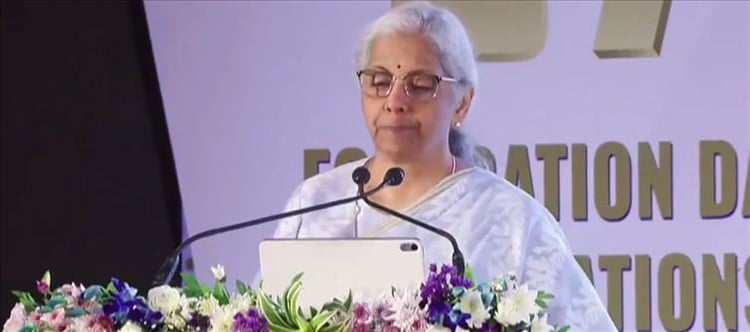

The debate over fuel prices in india is heating up once again after nirmala sitharaman stated that the government could take a revenue hit of nearly ₹1 lakh crore in FY27 due to reductions in excise duty on petrol and diesel.
But critics aren’t buying the narrative of “sacrifice” so easily.
Because the larger context surrounding fuel taxation over the past decade tells a far more politically explosive story.
Between 2014 and 2024, the central government reportedly collected nearly ₹38.89 lakh crore through fuel taxes. During this period, excise duty on petrol rose dramatically — from around ₹9.48 per litre in 2014 to nearly ₹32.98 per litre by 2021. That massive increase became one of the government’s biggest revenue engines.
And the timing of those hikes is exactly why the criticism remains intense.
In 2020, when global crude oil prices collapsed to historic lows — at one point crashing close to $20 per barrel — many expected major relief at fuel pumps. Instead, the government significantly increased excise duties, allowing it to retain a large portion of the price benefit rather than fully passing it to consumers.
Now the situation has reversed.
Crude prices remain elevated, oil marketing companies are under pressure, and fuel prices have risen multiple times again in recent weeks. petrol in several cities, including Delhi, has reportedly crossed the ₹100-per-litre mark once more. That’s why many critics argue the current duty reductions are not necessarily translating into meaningful consumer relief, but are instead helping stabilize broader oil-sector economics.
And that’s where public frustration grows.
For ordinary citizens already struggling with inflation, rising living costs, transport expenses, and stagnant purchasing power, fuel prices are no longer viewed as isolated economic adjustments. They’ve become symbolic of a much larger feeling: that temporary relief often arrives only after years of accumulated financial pressure.
Which is why this debate isn’t ending anytime soon.
 click and follow Indiaherald WhatsApp channel