
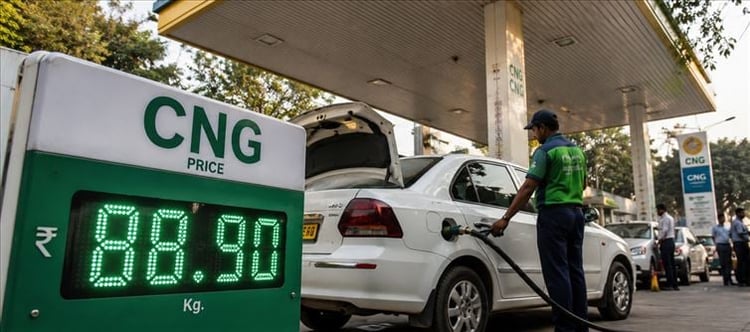


For millions of ordinary people already struggling with rising living costs, the latest fuel price hike feels less like an economic adjustment and more like a punishment on survival itself. Today, cng prices were increased by ₹2. Just yesterday, petrol and diesel prices went up. And now, many fear LPG cylinders could be next. For the average citizen, it no longer feels like isolated price revisions — it feels like an endless cycle where the burden always lands on the public.
The frustration isn’t only about today’s hike. It’s about the memory of what happened when global crude oil prices were actually low. Back then, people expected relief. They expected cheaper fuel, lower transport costs, and some breathing room for household budgets. Instead, many believe those benefits never truly reached consumers in any meaningful way. But the moment international prices rise, fuel hikes seem to arrive instantly and aggressively.
That growing perception is fueling public anger. Because fuel prices don’t just affect vehicle owners. They hit everything. Transportation becomes expensive. Delivery charges go up. Vegetable prices rise. Small businesses struggle. auto drivers suffer. Families paying EMIs and school fees suddenly find daily essentials becoming harder to afford.
For middle-class and lower-income households, the damage compounds quietly but brutally. One small increase may look manageable on paper, but repeated hikes across petrol, diesel, cng, and LPG slowly choke monthly budgets from every direction.
Critics argue that governments often celebrate tax collections and revenue growth while ordinary citizens are forced to constantly adjust their lifestyles just to keep up with rising costs. And that’s why every new fuel hike now triggers something deeper than frustration — it triggers a feeling that the system reacts faster to protect revenue than to protect people.
 click and follow Indiaherald WhatsApp channel