


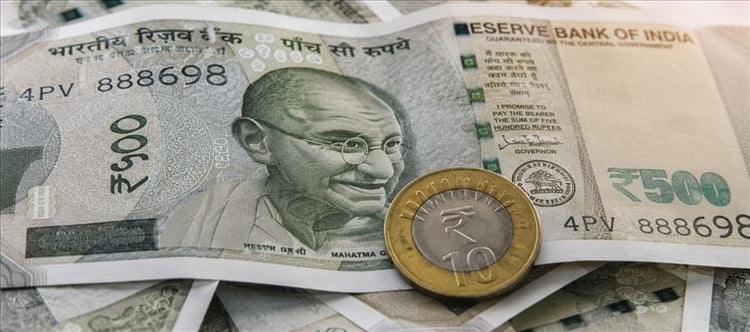

Rupee Faces a Global Storm: INR Slides Against Major Currencies in a Tough 12-Month Battle
Currencies tell the story of an economy before headlines do — and the indian Rupee has been facing serious pressure on the global stage. Over the past year, INR has reportedly weakened against several major international currencies, from the US Dollar and Euro to regional currencies like the Thai Baht and Chinese Yuan.
The decline highlights the challenges emerging market currencies often face during periods of global uncertainty, shifting investor sentiment, trade pressure, interest-rate changes, and worldwide economic movements.
Indian Rupee Performance Against Major Currencies (1-Year Change)
| Currency Comparison | INR Movement |
|---|---|
| 🇮🇳 INR vs 🇺🇸 US Dollar | -10.57% |
| 🇮🇳 INR vs 🇹🇭 Thai Baht | -10.70% |
| 🇮🇳 INR vs 🇪🇺 Euro | -12.91% |
| 🇮🇳 INR vs 🇦🇪 uae Dirham | -10.28% |
| 🇮🇳 INR vs 🇨🇳 Chinese Yuan | -3.84% |
| 🇮🇳 INR vs 🇷🇺 Russian Ruble | -16.01% |
The sharpest pressure has reportedly come against the Russian Ruble and Euro, while the Rupee has also seen notable weakness against the US Dollar-linked uae Dirham.
This slide has triggered debate because currency weakness impacts more than just financial markets. A weaker rupee can make imports, foreign education, overseas travel, and international payments more expensive.
However, currency movements are not decided by one factor alone. They reflect a complex mix of global capital flows, inflation trends, trade balances, central bank policies, and investor confidence.
For businesses and consumers, the message is clear: exchange rates are no longer just numbers flashing on financial screens — they directly affect everyday costs and future planning.
The Rupee’s next challenge will be whether it can regain stability in an increasingly competitive global currency battlefield.
 click and follow Indiaherald WhatsApp channel