
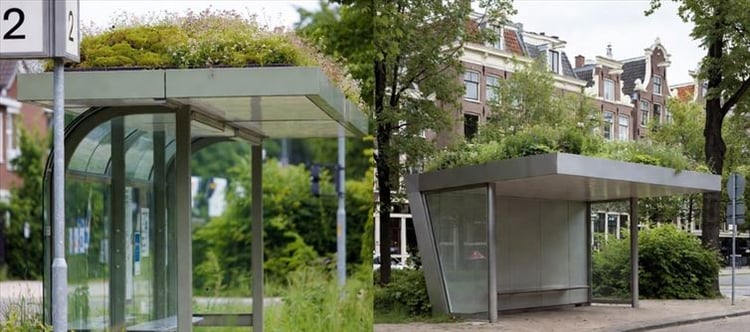


Most cities spend millions searching for grand solutions to climate change, biodiversity loss, and rising urban temperatures. Meanwhile, one Dutch city found an answer hiding in plain sight: the humble bus stop.
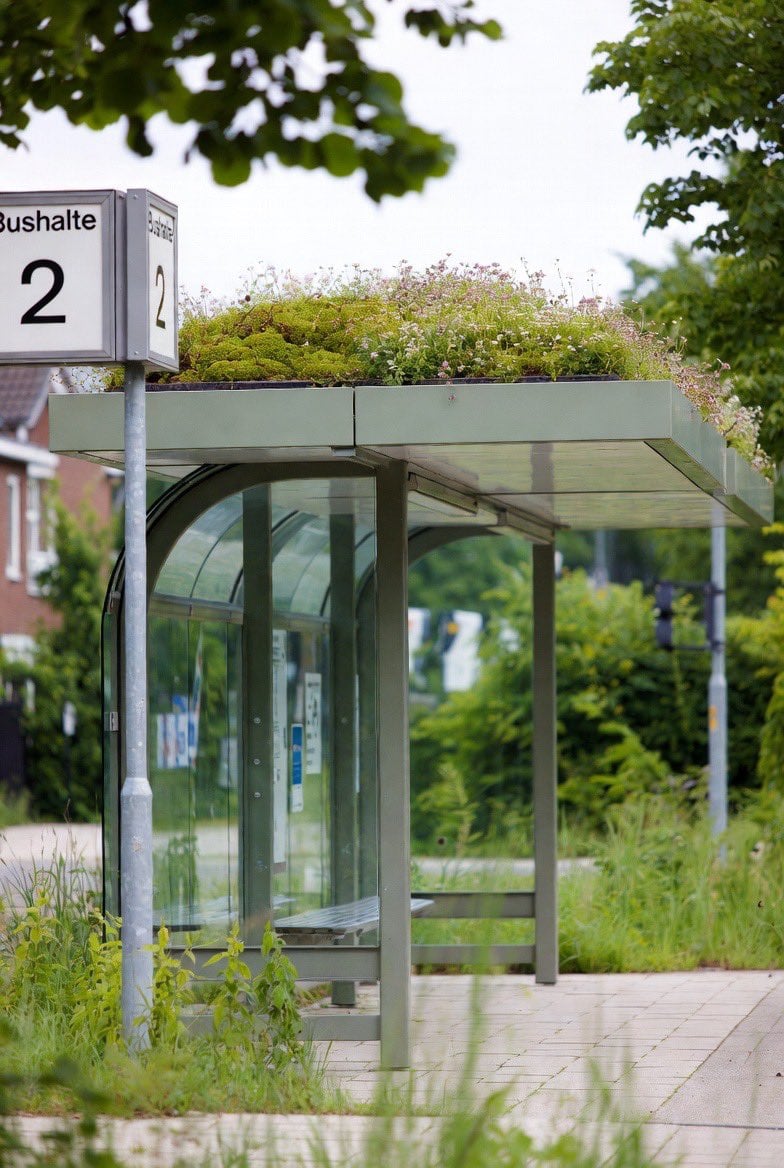
In Utrecht, Netherlands, more than 300 bus stops have been transformed into what locals call "bee stops" — everyday transit shelters topped with living green roofs filled with native sedum plants and wildflowers. At first glance, they look like a simple landscaping upgrade. In reality, they're quietly performing multiple environmental jobs at once.
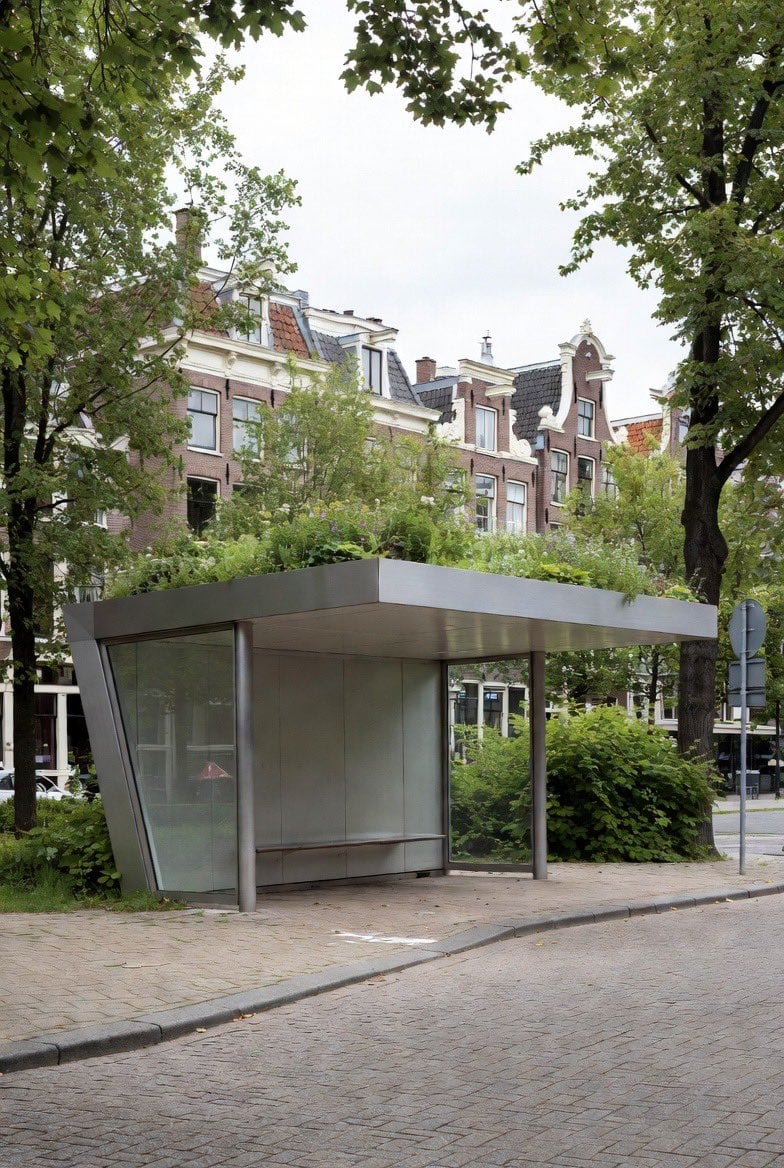
• They're helping save pollinators. Bees, butterflies, and other pollinating insects face growing challenges in urban environments where green spaces are increasingly fragmented. These rooftop gardens act as miniature rest stops and feeding stations, creating crucial pockets of habitat throughout the city.
• They help manage rainwater naturally. Instead of allowing rainfall to immediately rush into drainage systems, the vegetation absorbs and stores water, reducing runoff and easing pressure on urban infrastructure during storms.
• They cool the city. Concrete, asphalt, and rooftops trap heat, creating the notorious "urban heat island" effect. The green roofs help lower surrounding temperatures, offering a small but meaningful defense against increasingly frequent heatwaves.
• They improve air quality. The vegetation captures fine dust particles and airborne pollutants that would otherwise circulate through busy city streets.
• They make public infrastructure work harder. Perhaps the most impressive aspect is that these shelters aren't separate environmental projects. They're existing pieces of infrastructure performing additional functions without requiring entirely new construction.
And here's the part that surprises many people: the initiative wasn't funded through some extravagant environmental megaproject. It was reportedly covered through Utrecht's normal public transit budget.
That's what makes this story so compelling. It's a reminder that sustainability doesn't always require billion-dollar investments or futuristic technology. Sometimes the smartest solutions are the simplest ones — transforming ordinary structures into tools that serve both people and the planet. Utrecht's bee stops may look small, but they represent a powerful idea: cities can become greener not by building more, but by making what already exists work smarter.
 click and follow Indiaherald WhatsApp channel