
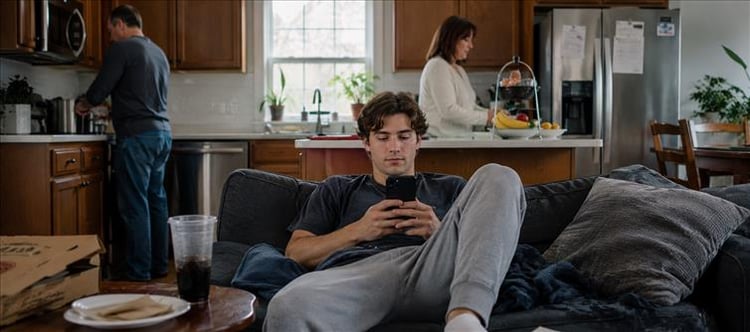


For generations, moving out was seen as a defining milestone of adulthood. You graduated, got a job, found a place of your own, and started building an independent life. It was practically a rite of passage.
Today, that timeline looks very different.
In 2023, about 45% of Americans between the ages of 18 and 29 were still living with their parents—the highest share recorded in roughly eight decades. It's a statistic that reveals far more than changing living arrangements. It tells the story of soaring housing costs, crushing student debt, stagnant wages, economic uncertainty, and a generation facing financial realities unlike those of their parents and grandparents.
Why So Many Young Adults Are Staying Home
1. Housing Costs Have Gone Through the Roof
For many young Americans, buying a home feels less like a goal and more like a fantasy. Skyrocketing home prices and rising rents have made independent living increasingly difficult.
2. Wages Haven't Kept Pace
While the cost of housing, healthcare, and education has surged, income growth for many young workers hasn't kept up. The math simply doesn't work for millions trying to live on their own.
3. Student Debt Is Still a Major Burden
Many young adults enter the workforce already carrying significant debt. Monthly loan payments can delay major life decisions, including moving out, marriage, and homeownership.
4. Living at home Makes Financial Sense
For some, staying with parents isn't a sign of failure—it's a strategic decision. Sharing expenses can allow young adults to save money, pay off debt, or build financial stability faster.
5. Adulthood Is Being Redefined
The traditional milestones of adulthood are happening later than they once did. Marriage, homeownership, and starting families are increasingly delayed compared to previous generations.
The Bigger Picture
The fact that nearly half of Americans aged 18 to 29 still live with their parents isn't just a personal lifestyle choice—it's a reflection of broader economic pressures reshaping an entire generation. What once seemed temporary is becoming increasingly common, signaling a fundamental shift in how young adults navigate the path to independence in modern America.
 click and follow Indiaherald WhatsApp channel