
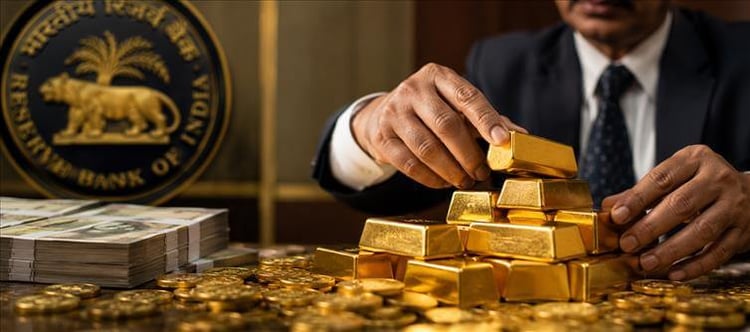


Why india May Have Sold $12 Billion Worth of Gold—And Why Markets Are Paying Attention
When oil prices rise, the effects ripple far beyond gas stations and energy bills. For major oil-importing nations like india, higher crude prices can put significant pressure on the economy, the currency, and foreign exchange reserves. And according to a recent Bloomberg economics analysis, india may have responded with an unusually bold move.
Based on publicly available reserve data, Bloomberg economists estimate that the bank OF INDIA' target='_blank' title='reserve bank of india-Latest Updates, Photos, Videos are a click away, CLICK NOW'>reserve bank of india (RBI) likely sold roughly $12 billion worth of gold over the two weeks ending May 22. While the RBI has not officially confirmed any such transaction, the analysis suggests the central bank may have used part of its gold reserves to help strengthen foreign exchange holdings during a period of heightened market stress.
1. Rising oil Prices Created New Challenges
india imports the majority of its crude oil requirements. When global oil prices climb, the country's import bill rises as well, increasing pressure on the indian rupee and widening external financing needs.
2. Geopolitical Tensions Added to the Pressure
Escalating tensions involving the united states and iran contributed to concerns about energy supplies and future oil prices. Financial markets reacted with increased caution, creating additional volatility.
3. Protecting the Rupee May Have Been a Priority
A weakening currency can make imports even more expensive. Analysts believe strengthening foreign exchange reserves may have been part of a broader effort to maintain market confidence and support currency stability.
4. gold Remains a Strategic Asset
Central banks hold gold not just as a store of value but also as a financial tool during periods of uncertainty. If the estimates are accurate, the move would demonstrate how reserve assets can be actively deployed when economic conditions demand flexibility.
5. The RBI Has Not Confirmed the Sale
Perhaps the most important detail is that the reported $12 billion figure is an inference drawn from reserve data analysis—not an official announcement from the Reserve bank of India.
Whether the estimate ultimately proves accurate or not, the episode highlights a larger reality: in today's interconnected financial system, central banks must constantly balance currency stability, reserve management, and geopolitical risks. And sometimes, even a nation's gold vault can become part of that strategy.
 click and follow Indiaherald WhatsApp channel