
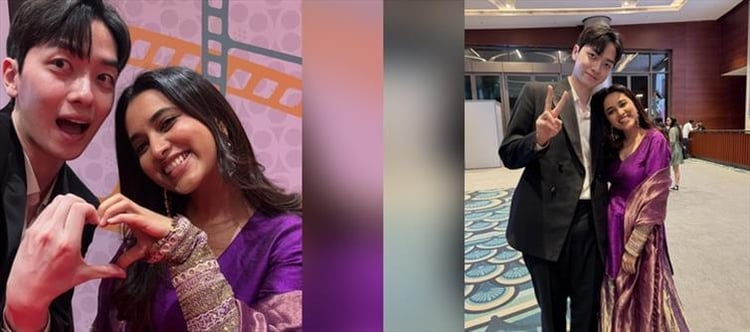


Actress priyanka Mohan has built a successful career thanks to the support of audiences who embraced her work, watched her films, and helped turn her into a recognizable star. That is why her latest project, Made in Korea, has sparked a fresh debate among a section of moviegoers who believe a familiar pattern keeps repeating itself in female-oriented films.
According to critics of the trend, the issue is not simply about one movie. It is about a storytelling formula that has become increasingly common over the years.
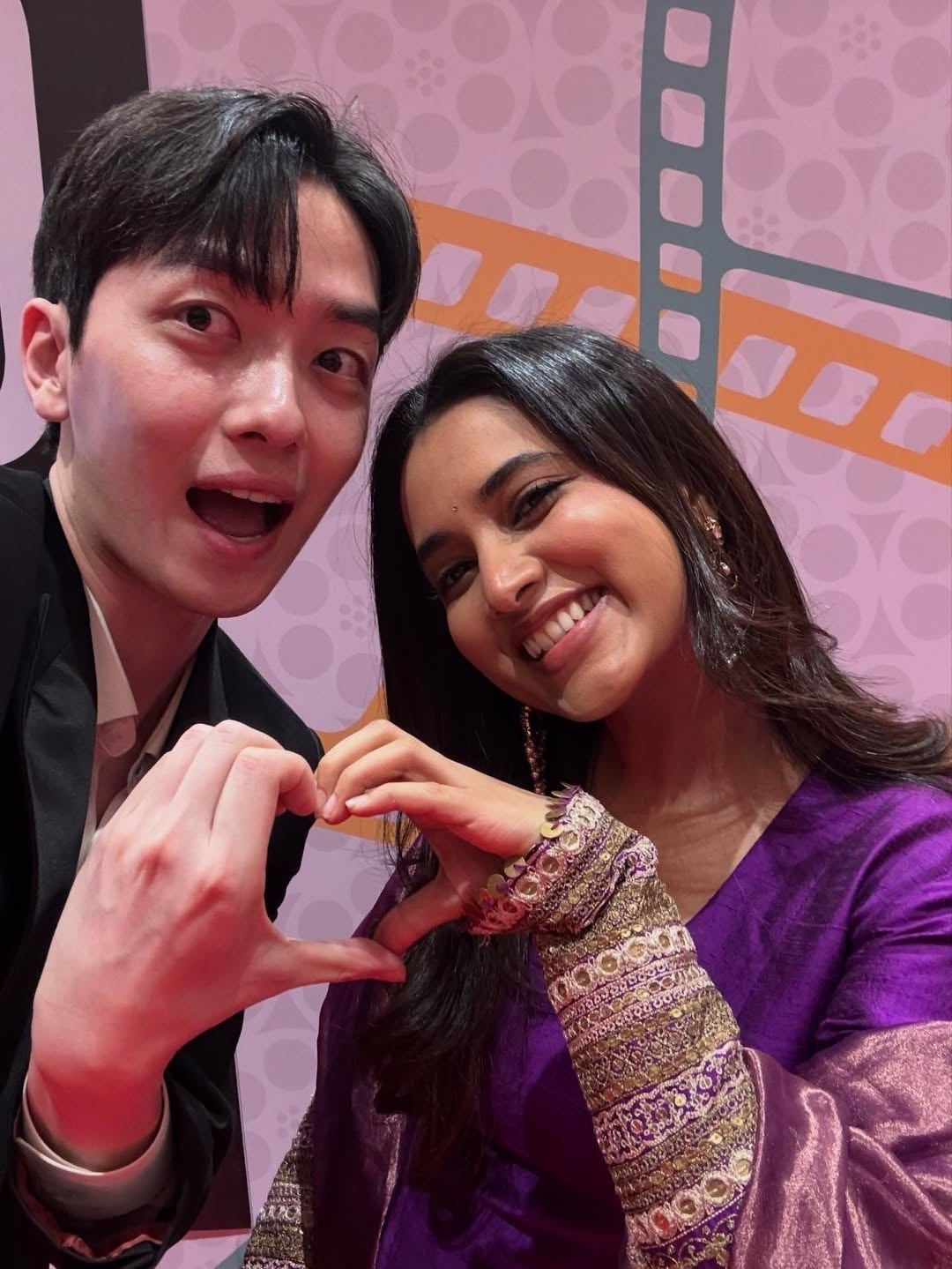
The complaint is straightforward: whenever a woman-centric story is written, the indian male character is often portrayed through a negative lens—dishonest, selfish, manipulative, controlling, or unsupportive. Meanwhile, a foreign male character is frequently presented as the complete opposite: kind, understanding, protective, and instrumental in helping the female protagonist achieve her goals.
Those raising concerns point to films such as english Vinglish, Queen, Bride and Prejudice, and now Made in Korea as examples of a broader narrative pattern. In their view, female empowerment is too often framed through contrast rather than character development. Instead of building a strong female protagonist on her own merits, the story creates a weak or flawed indian male counterpart and then introduces a more appealing alternative.
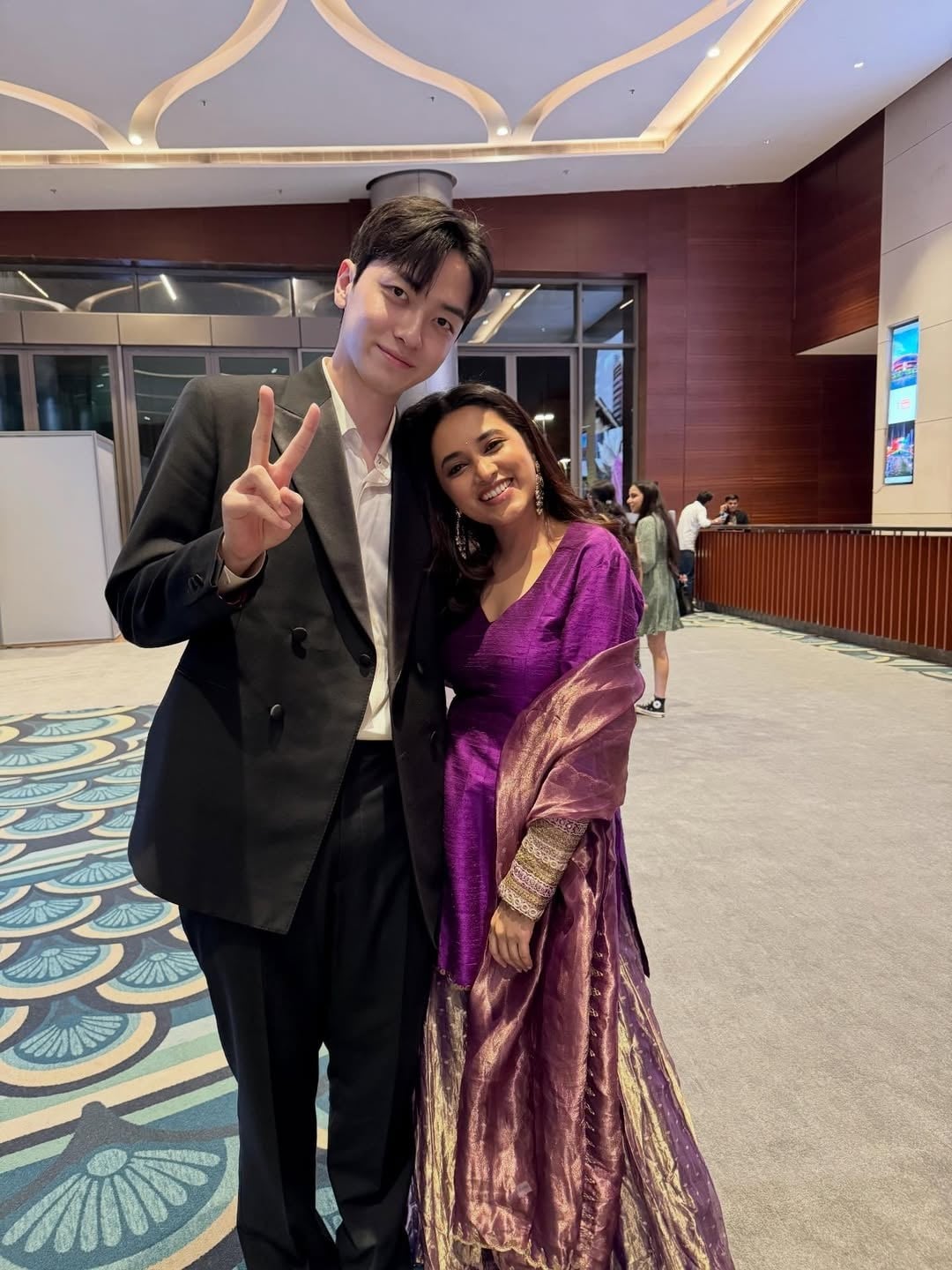
The debate has gained additional attention following priyanka Mohan's appointment as an Honorary Ambassador for Korea Tourism, a recognition connected to the film and its cultural themes. For supporters, it is a positive achievement. For critics, however, it has reignited questions about the messages such films send and why certain portrayals seem to recur so frequently.
At the heart of the discussion is a simple argument: empowering women and telling meaningful stories does not require portraying indian men negatively. Strong female characters can stand on their own without reducing another group to stereotypes.
Whether one agrees with that criticism or not, the conversation highlights a growing frustration among some audiences who feel that modern storytelling often replaces one stereotype with another rather than moving beyond stereotypes altogether.
 click and follow Indiaherald WhatsApp channel