


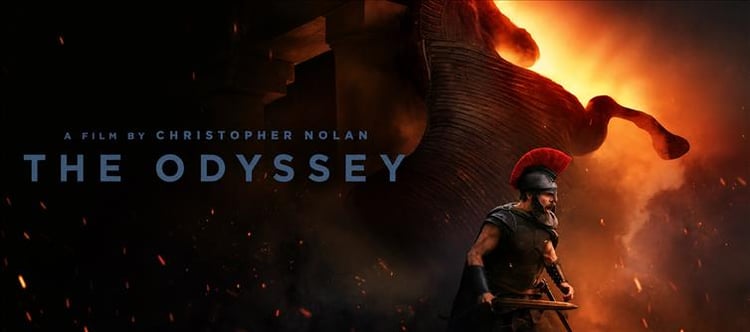

'The Odyssey' Review: Christopher Nolan Turns Homer's Timeless Epic Into a Monumental Cinematic Masterpiece
The Odyssey Review
Some blockbusters entertain, there are prestige dramas that impress, and then there are films that transcend both categories to become cinematic events. Christopher Nolan's The Odyssey comfortably belongs in the latter. Adapting Homer's legendary poem has challenged filmmakers for decades, but Nolan doesn't merely translate the ancient text onto the screen—he reimagines it through the lens of modern filmmaking while preserving its emotional and philosophical soul. The result is an emotionally rich, visually staggering, intellectually rewarding epic that stands among the director's finest achievements.
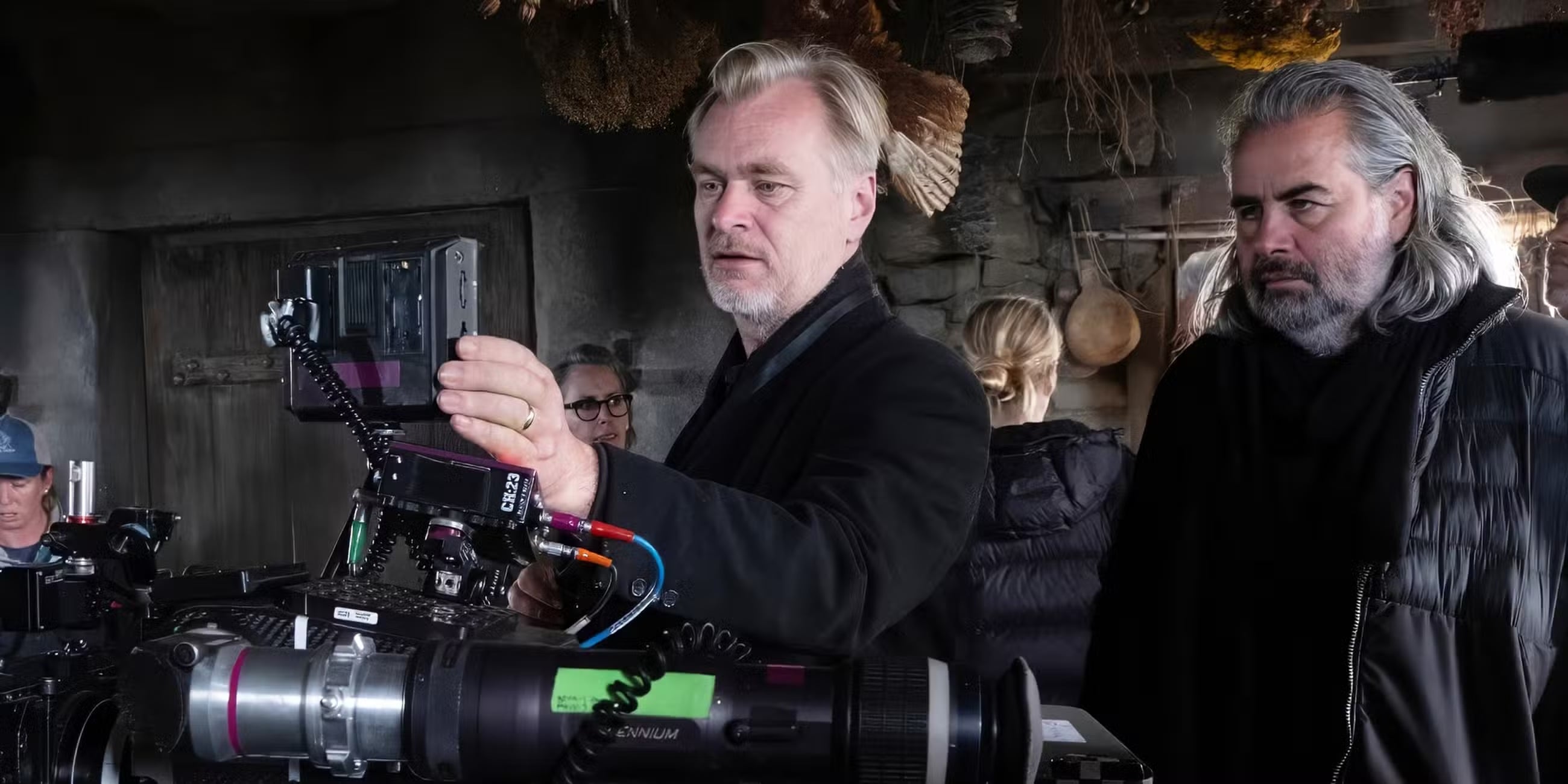
Running close to three hours, The Odyssey never feels like a history lesson or a mythology lecture. Instead, it becomes an exploration of heroism, trauma, love, legacy, and above all, the enduring power of storytelling. Nolan once again proves that spectacle means little without emotional weight, and every breathtaking sequence here is backed by genuine human drama.
Story
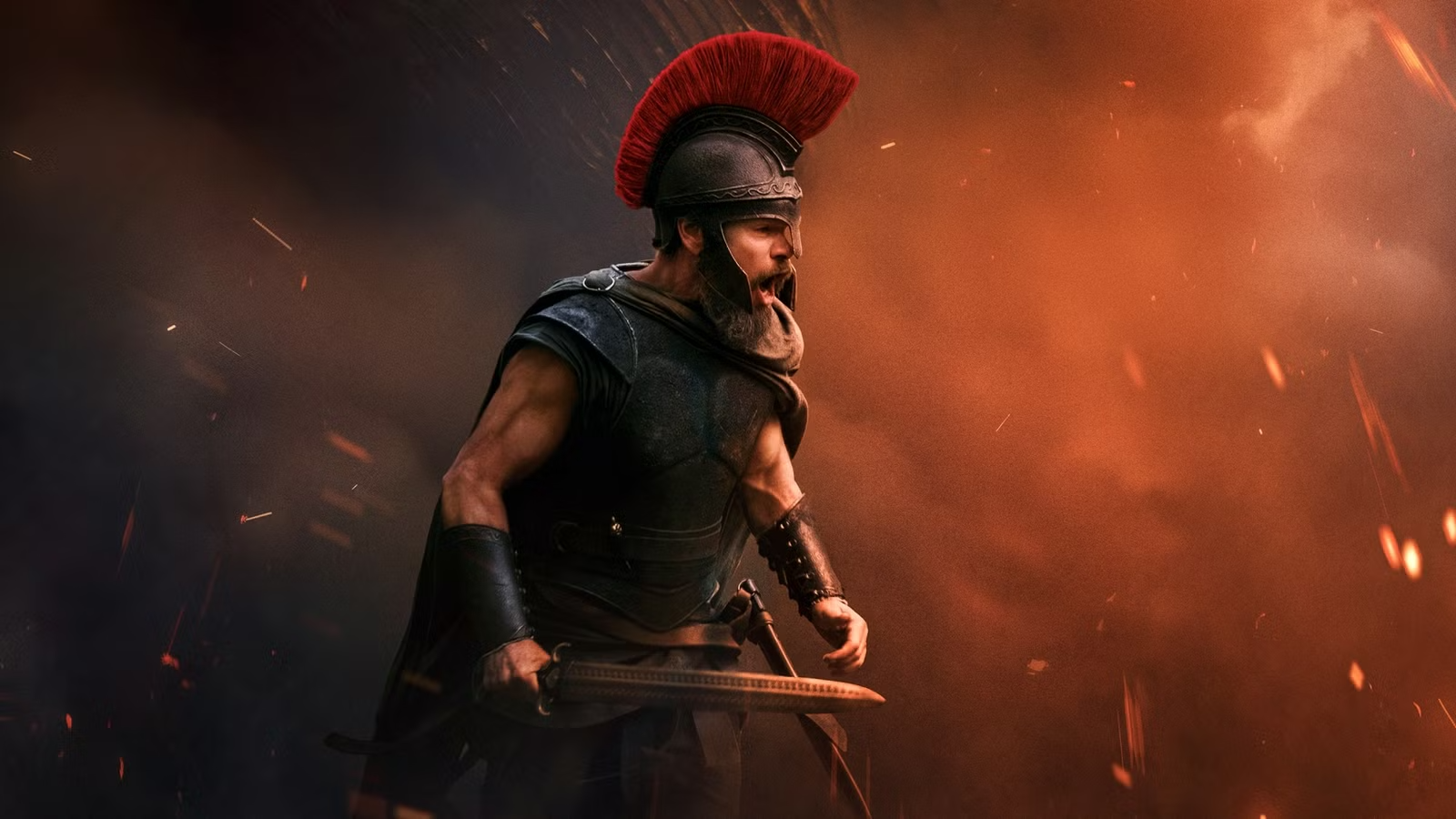
The story follows King Odysseus after the devastating Trojan War. Having spent ten years fighting alongside the Greek armies, all he wants is to return home to Ithaca, where his wife Penelope and son Telemachus continue waiting for his return. But what should have been a simple voyage becomes a twenty-year nightmare as Odysseus faces impossible trials created by monsters, witches, gods, betrayal, and fate itself.
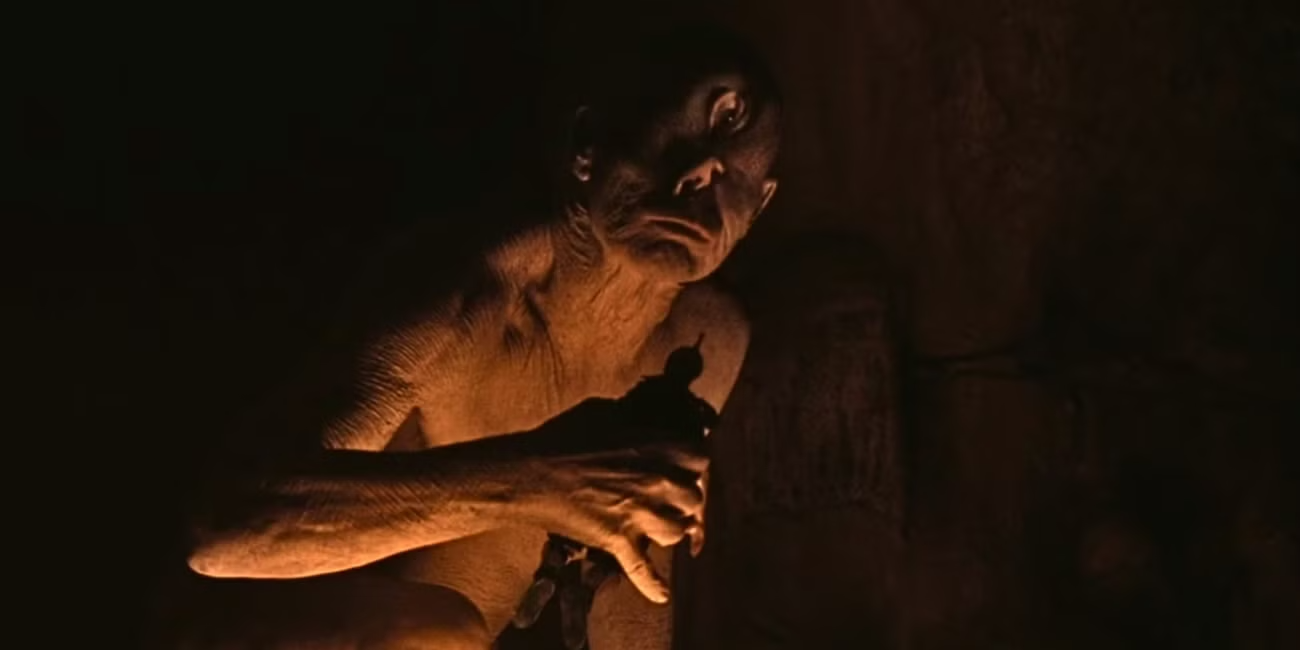
Meanwhile, back in Ithaca, Penelope struggles to protect the kingdom from ambitious suitors convinced that Odysseus will never return. Young Telemachus embarks on a journey to discover what really happened to his father, while the manipulative Antinous plots to seize both the throne and Penelope.
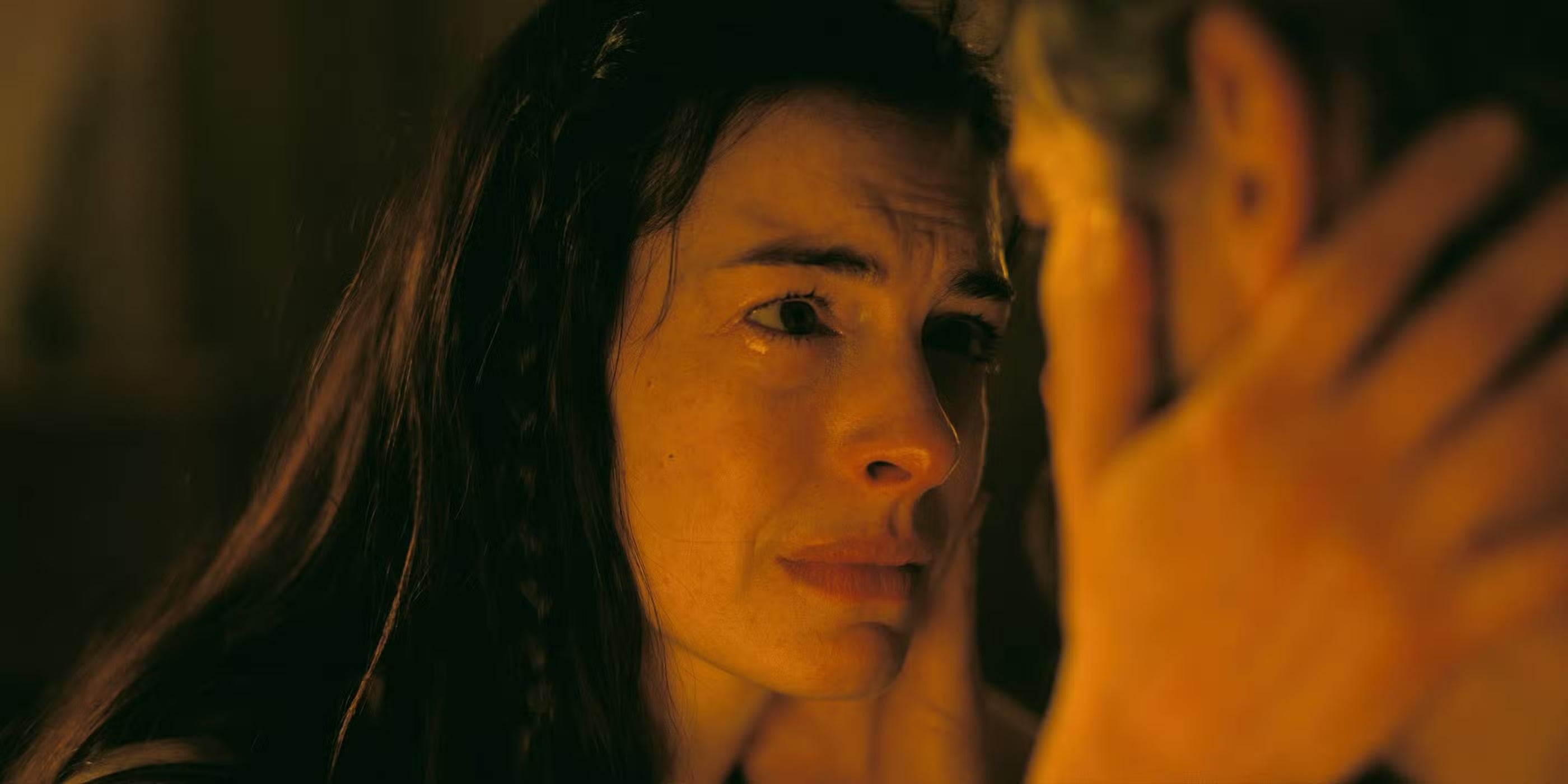
Rather than telling these events chronologically, Nolan unfolds the narrative through fragmented memories, stories, legends, and multiple perspectives. Every flashback and every conversation gradually reveals another piece of Odysseus' emotional and physical journey, transforming what appears to be a straightforward adventure into a deeply layered examination of grief, guilt, survival, and identity.
Performances
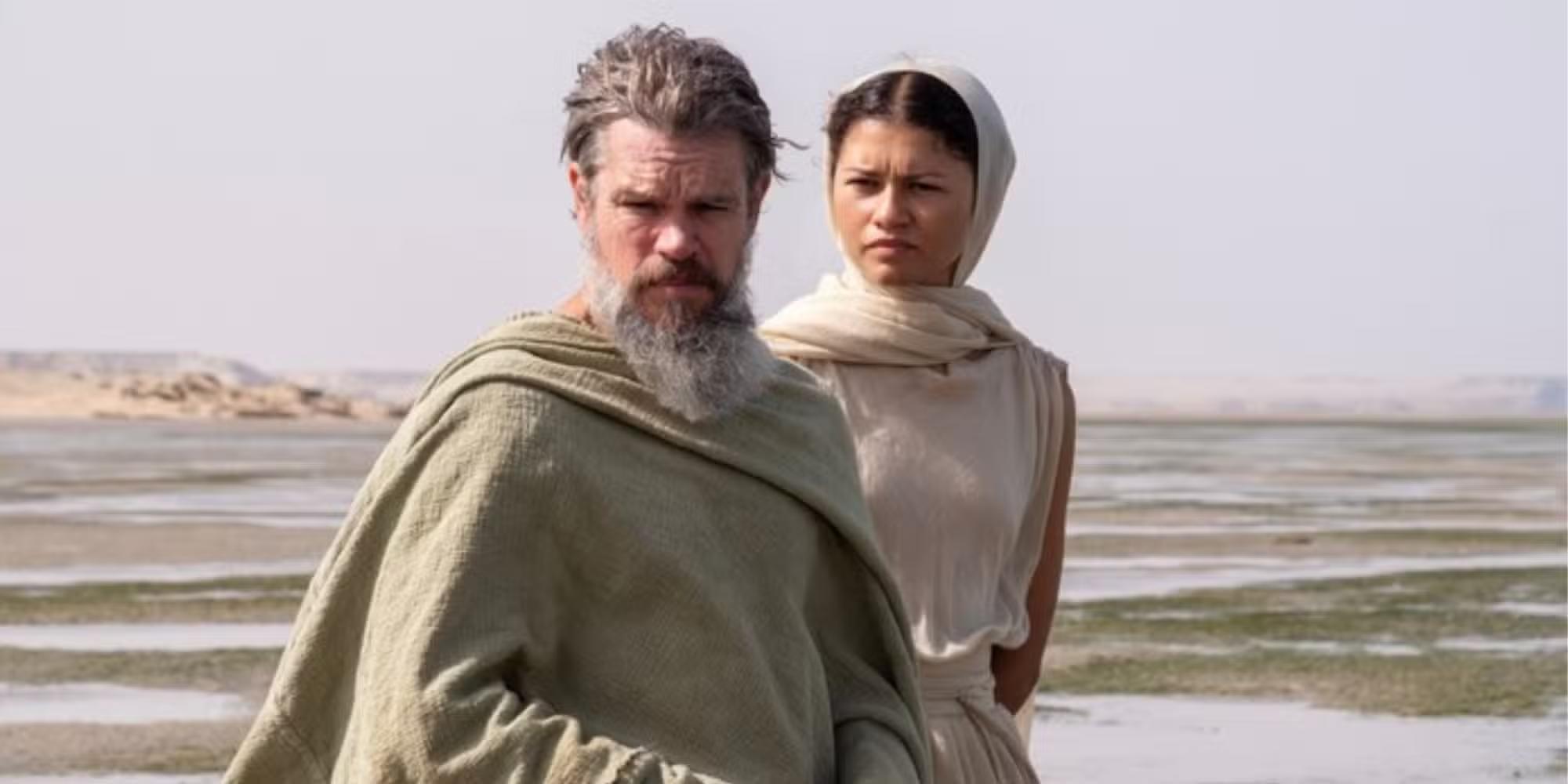
Matt Damon delivers one of the strongest performances of his career. His Odysseus is neither an invincible warrior nor a flawless king. Instead, he portrays a broken man burdened by impossible decisions and unimaginable trauma. Damon beautifully balances intelligence, compassion, courage, and vulnerability, making every victory feel earned and every sacrifice heartbreaking.
Anne Hathaway brings quiet emotional power to Penelope. Rather than portraying her as merely a faithful wife waiting at home, she transforms Penelope into a resilient ruler forced to carry an entire kingdom while protecting her family from growing political threats. Every scene carries emotional restraint that eventually erupts into deeply affecting moments.
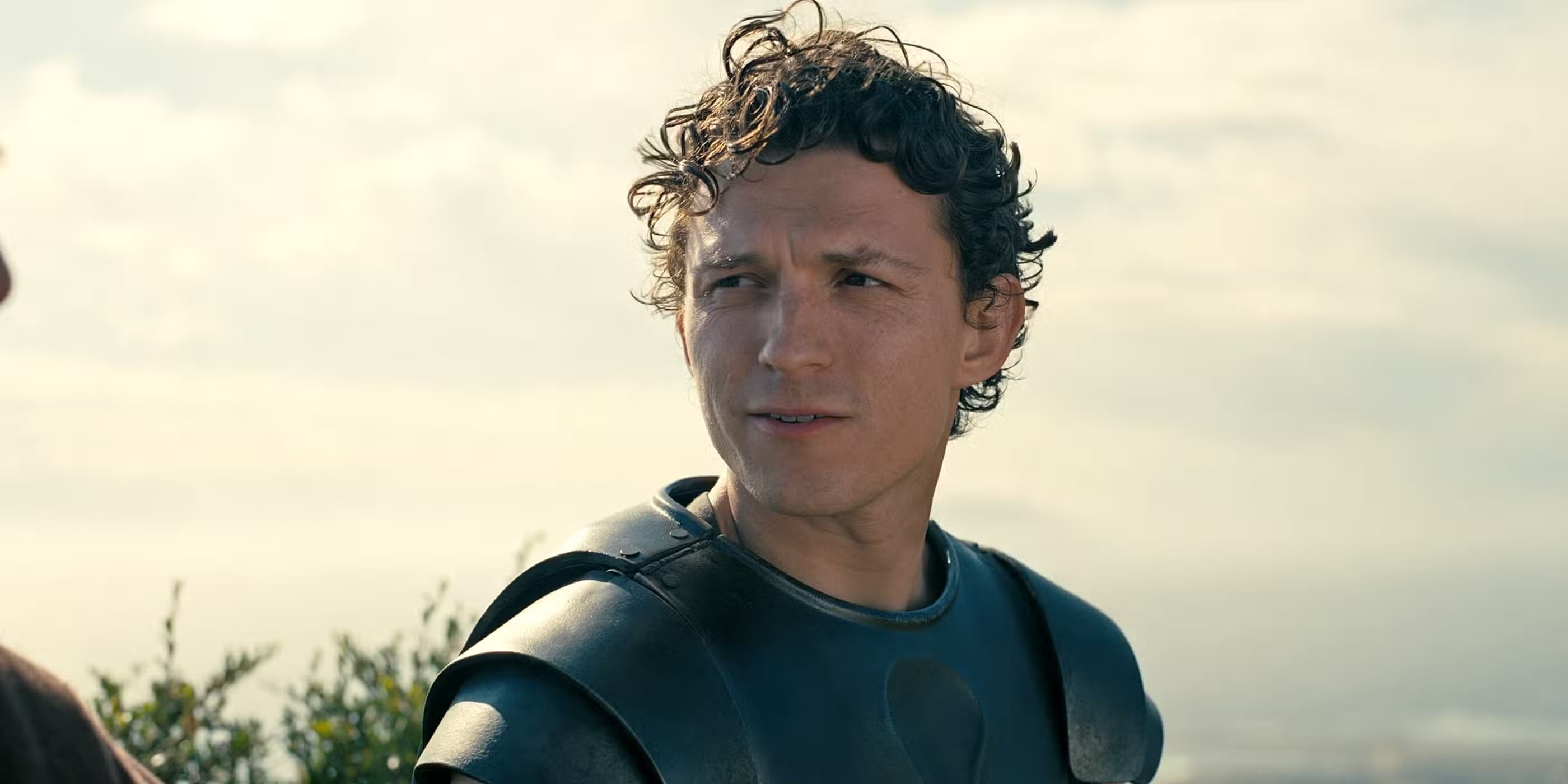
Tom Holland shines as Telemachus, capturing youthful determination mixed with uncertainty. His coming-of-age journey forms one of the film's emotional anchors, making audiences genuinely invest in his search for answers.
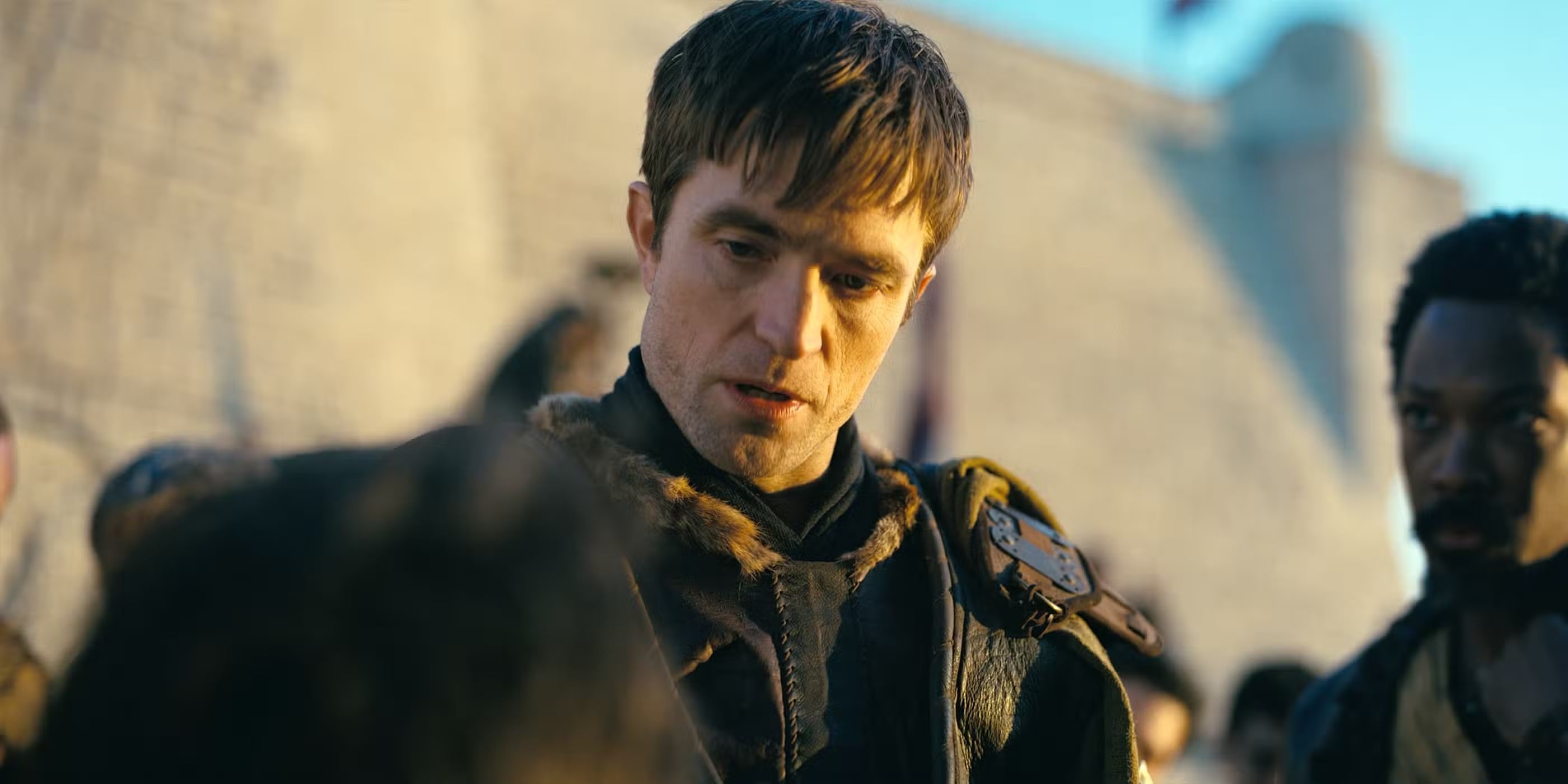
Robert Pattinson once again proves why he's among the industry's finest actors. His portrayal of Antinous is unsettling, charismatic, manipulative, and unpredictable. Pattinson turns what could have been a conventional antagonist into a fascinating psychological threat.
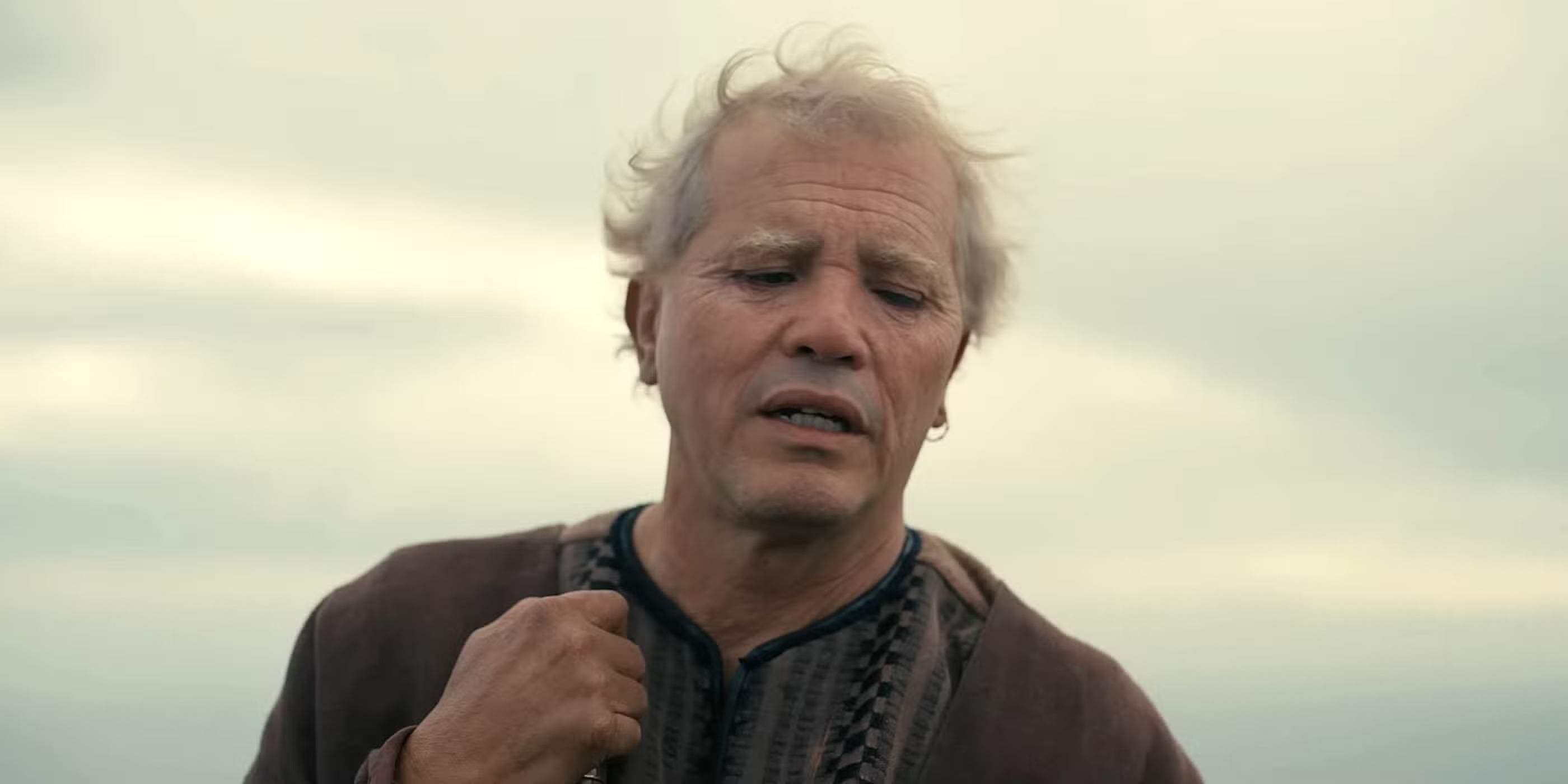
The supporting cast elevates every frame. Samantha Morton leaves a lasting impression as Circe, John Leguizamo brings warmth and loyalty to Eumaeus, Elliot Page effectively bridges several narrative threads, Lupita Nyong'o adds emotional intensity despite limited screen time, while Jon Bernthal injects his trademark commanding presence whenever he appears.
Technical Brilliance
Technically, The Odyssey is astonishing.
Hoyte van Hoytema's IMAX cinematography captures breathtaking oceans, towering cliffs, ancient cities, violent storms, and mythological landscapes with astonishing scale. Every frame feels handcrafted for the largest screen possible, making the adventure feel genuinely epic.
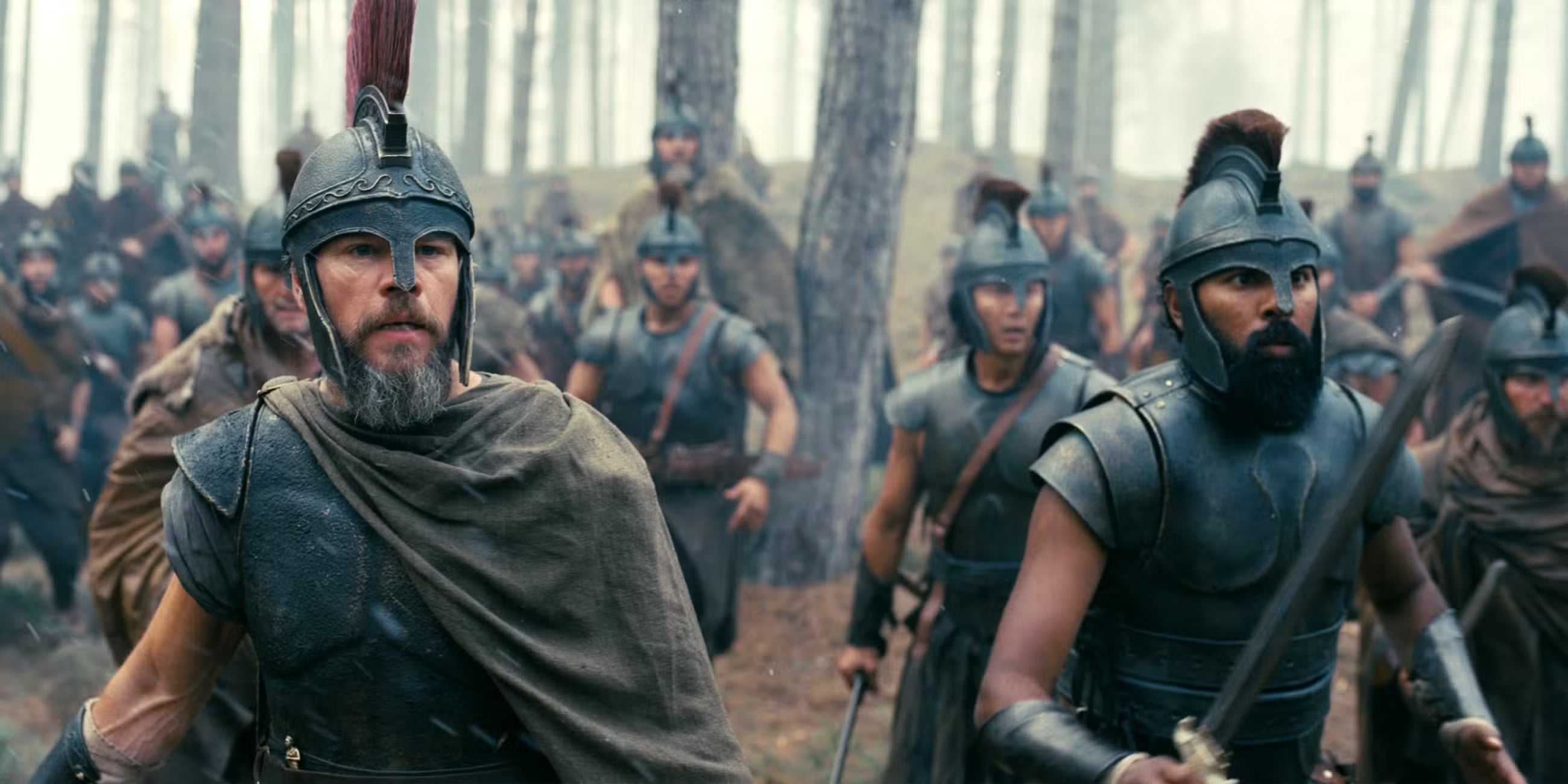
Jennifer Lame's editing deserves enormous praise. Considering Nolan's signature nonlinear storytelling, the film could easily have become confusing. Instead, the transitions between timelines remain remarkably fluid, allowing emotional continuity to guide the audience through an otherwise complex narrative.
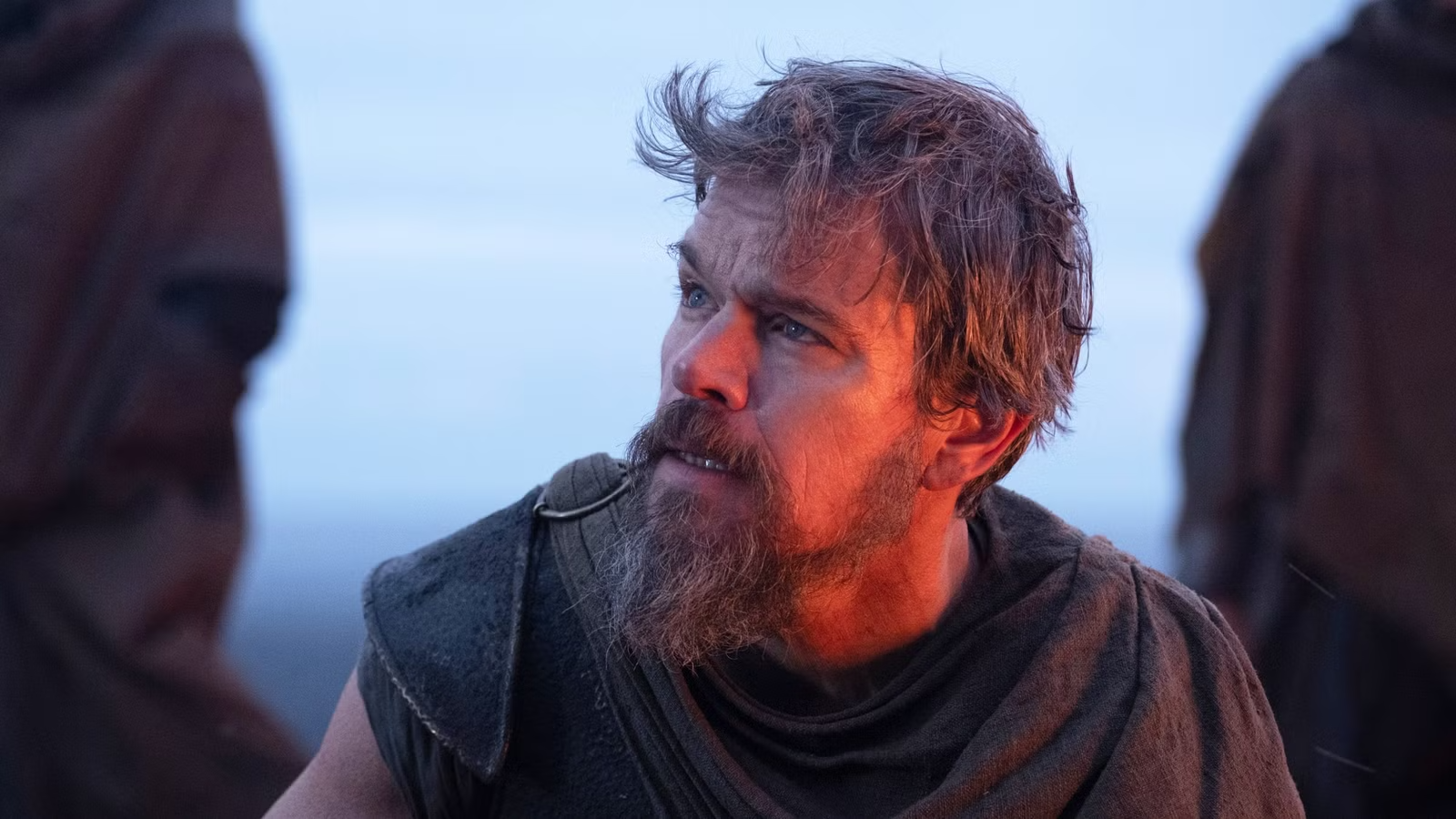
Ludwig Göransson delivers another extraordinary score that becomes a character in itself. His music shifts effortlessly between haunting melancholy and thunderous grandeur, amplifying both intimate emotional moments and massive action sequences.
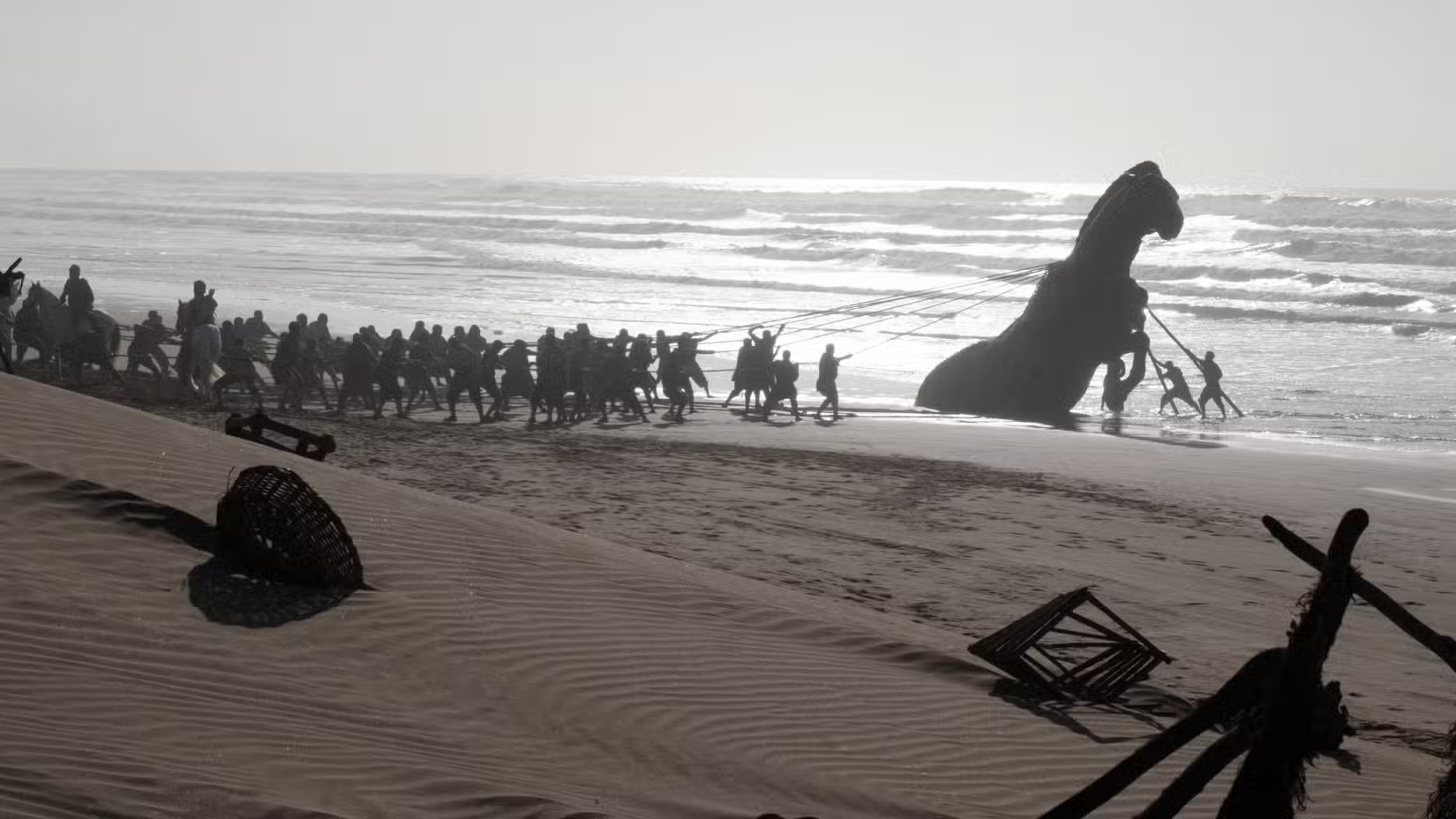
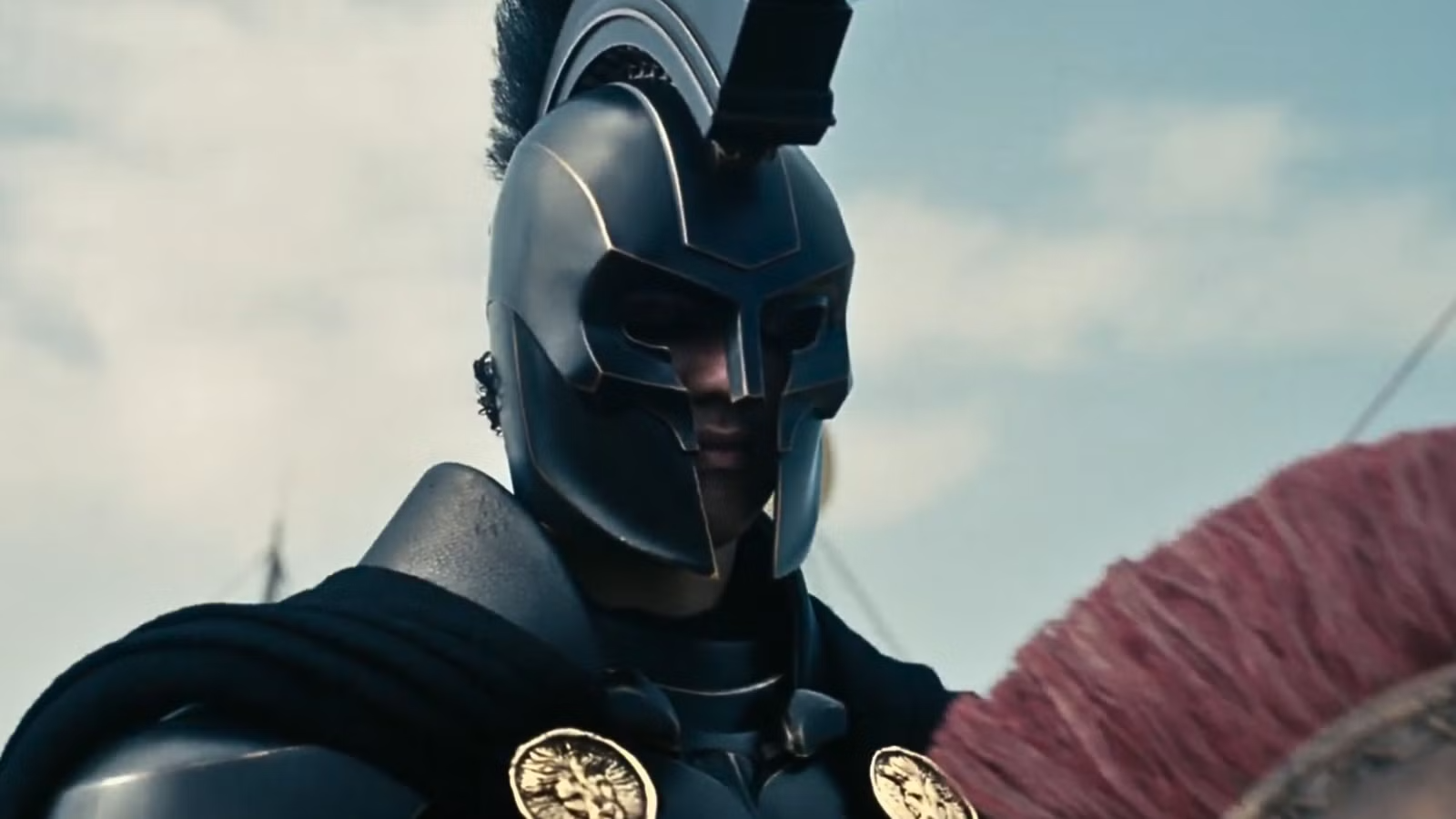
The production design is equally remarkable. Ancient Greece feels authentic without appearing like a museum exhibit. Every kingdom, island, battlefield, and mythical location possesses its own distinct visual personality, creating an immersive world that constantly feels alive.
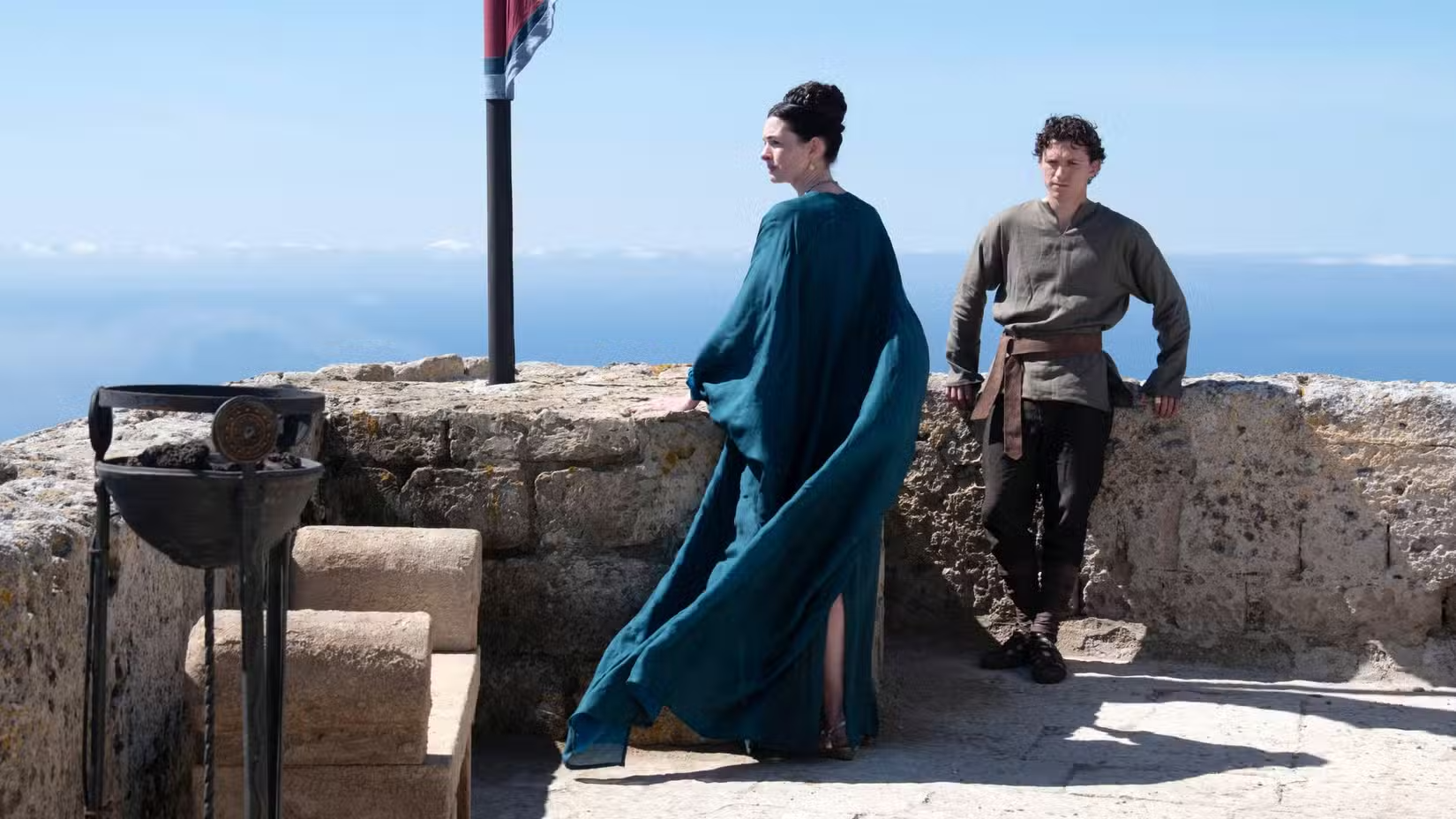
The visual effects never overwhelm the storytelling. Whether depicting sea monsters, divine interventions, or massive naval battles, every effect serves narrative purpose rather than existing simply for spectacle.
Analysis
At its heart, The Odyssey is not simply about Odysseus returning home.
It is about why humanity tells stories.
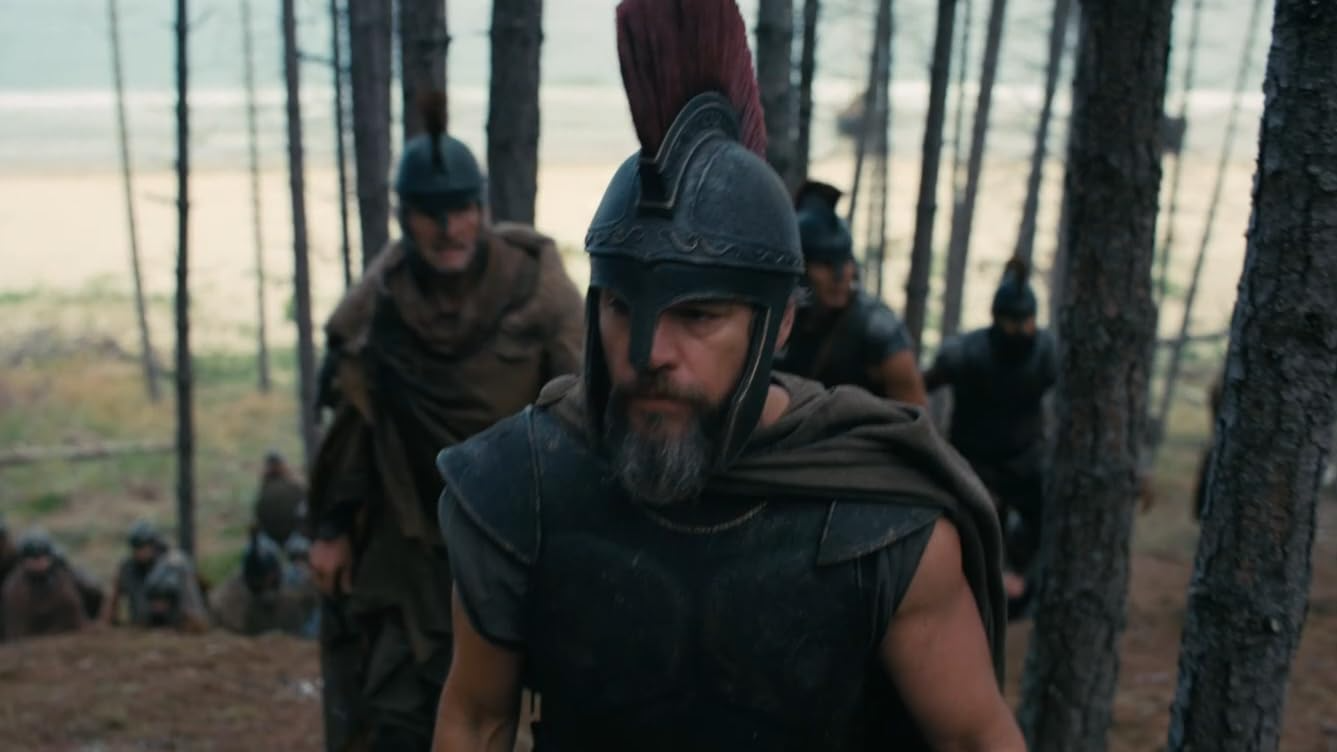
Nolan uses Homer's epic as a framework to examine how stories evolve over generations, how legends become distorted, and how memory shapes identity. Characters constantly recount myths, rumors, prophecies, and personal recollections, blurring the line between truth and legend.
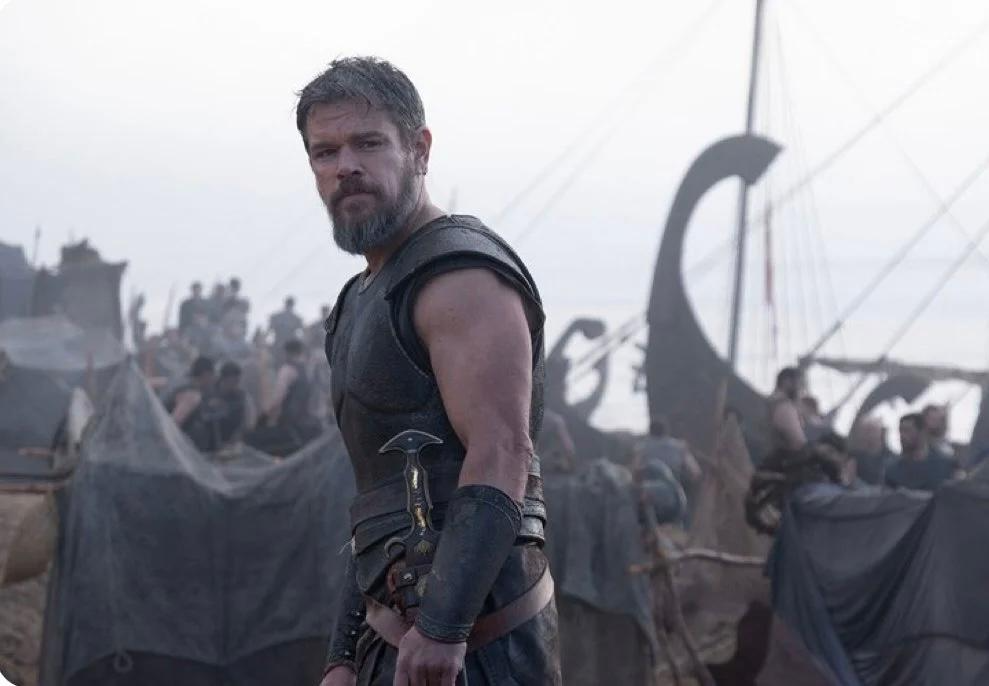
The film also explores the psychological consequences of war. Odysseus returns not merely delayed by monsters and gods but emotionally scarred by years of violence and impossible choices. Homecoming itself becomes more difficult than warfare.
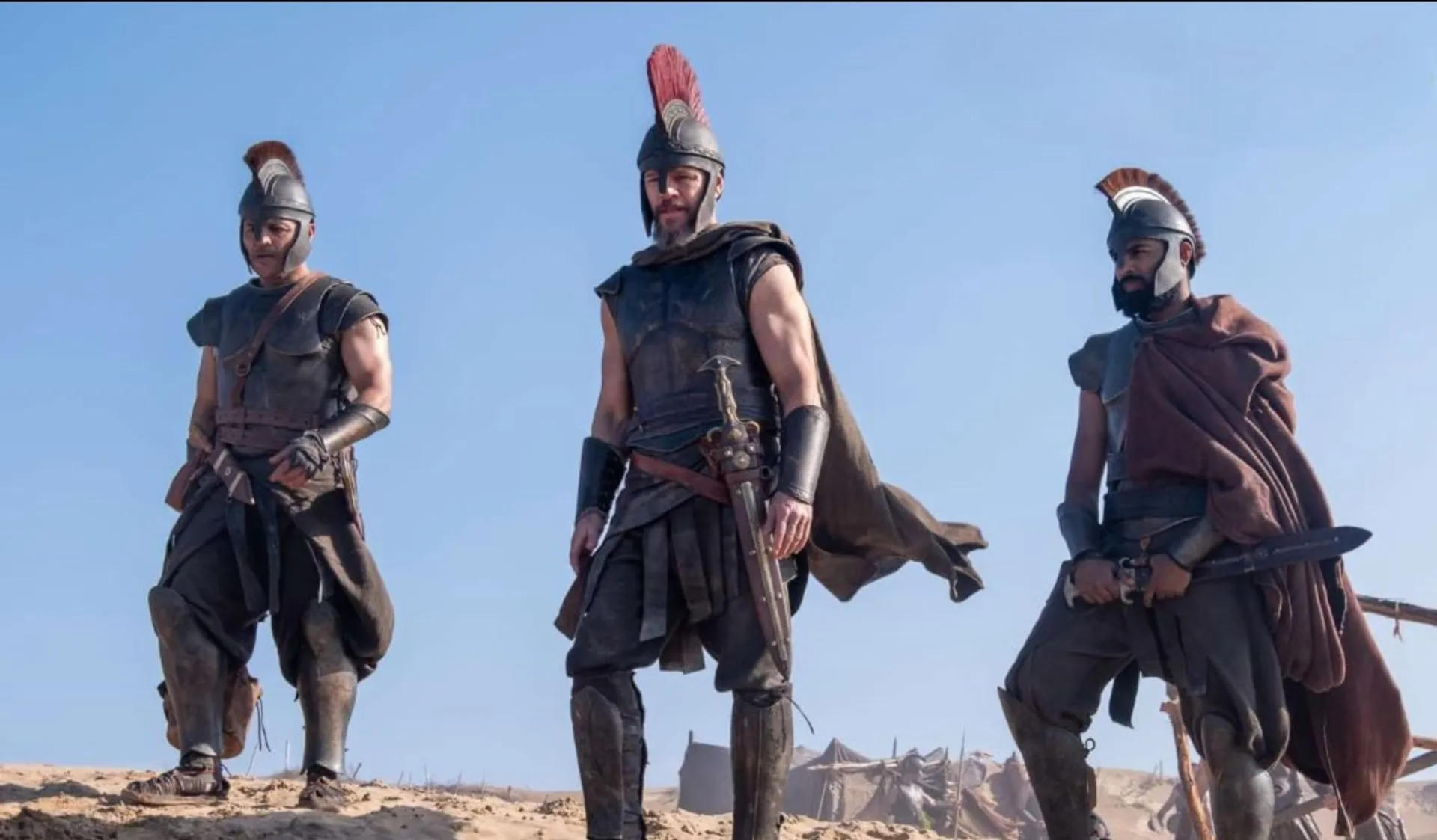
Rather than glorifying heroism, Nolan questions its cost. The gods become symbols of uncontrollable fate, monsters represent internal fears, and every challenge reflects another emotional wound carried by the protagonist.
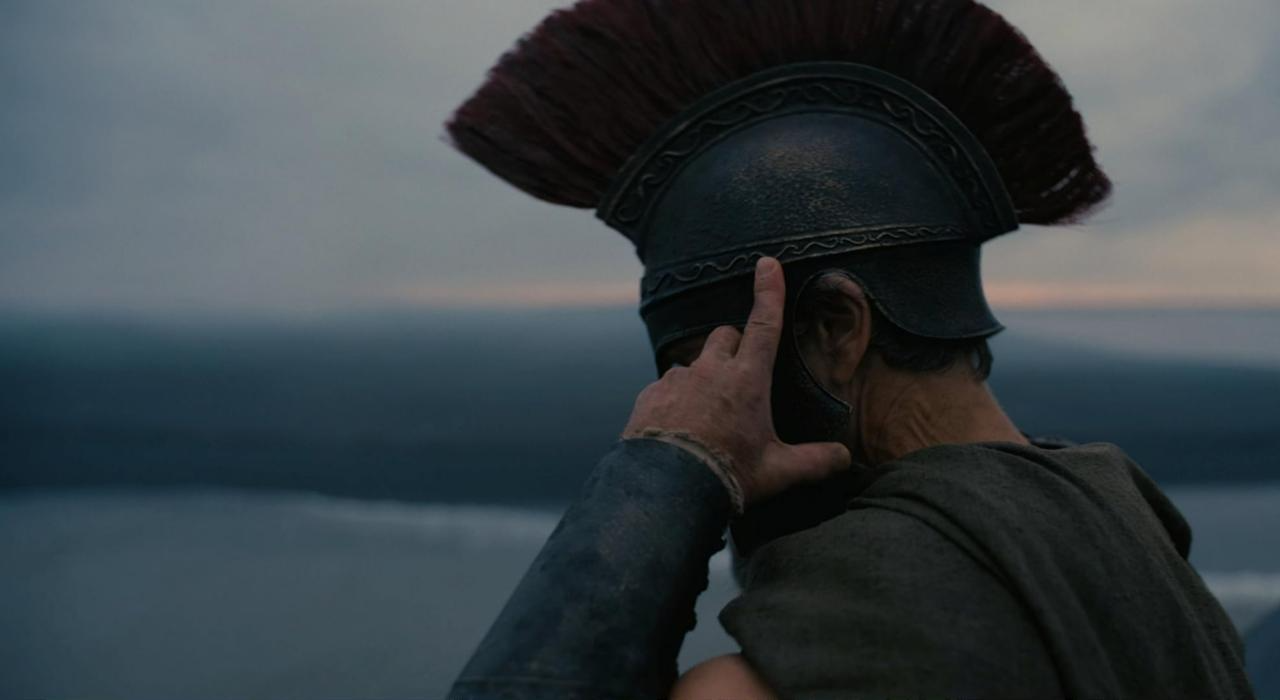
Despite modern dialogue, contemporary filmmaking techniques, and several narrative liberties, the emotional truth of Homer's original work remains completely intact.
What Works

• Nolan's emotionally intelligent adaptation of Homer's epic
• Outstanding performances led by Matt Damon and Anne Hathaway
• Robert Pattinson steals every scene he appears in
• Spectacular IMAX cinematography throughout
• Ludwig Göransson's career-best musical score
• Emotionally rewarding nonlinear storytelling
• Massive action sequences balanced by intimate character moments
• Stunning production design and visual effects
• Thought-provoking exploration of storytelling and trauma
• Grand spectacle with genuine emotional resonance
What Doesn't
• The nonlinear narrative may demand complete attention from casual audiences
• Some deviations from Homer's original text may disappoint literary purists
• Certain supporting characters could have benefited from additional screen time
• The philosophical themes occasionally overshadow narrative momentum in the middle portions
Bottom Line
Christopher Nolan achieves what many believed impossible. Rather than simply adapting Homer's legendary poem, he transforms The Odyssey into a profound meditation on storytelling itself while delivering one of the most visually spectacular blockbusters ever made.
 Grand in scale yet deeply intimate in emotion, intellectually stimulating yet thrillingly entertaining, this is blockbuster filmmaking operating at its absolute highest level. It is not merely another Christopher Nolan film—it is a reminder of why cinema remains one of humanity's greatest storytelling mediums.
Ratings: ★★★★★ (5/5)
India Herald Percentage Meter: 96%
| Category | Score |
|---|---|
| Story | 9.8/10 |
| Screenplay | 9.6/10 |
| Direction | 10/10 |
| Performances | 9.7/10 |
| Cinematography | 10/10 |
| Music | 9.8/10 |
| Visual Effects | 9.6/10 |
| Editing | 9.4/10 |
| Emotional Impact | 9.7/10 |
| Rewatch Value | 9.8/10 |
 click and follow Indiaherald WhatsApp channel