
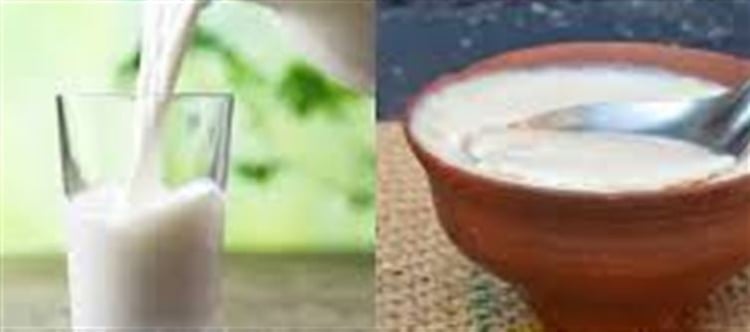


Dairy is a staple in many diets, but when it comes to weight loss and gut health, not all dairy is created equal. Milk and curd (yogurt) have different nutritional profiles, digestion effects, and roles in metabolism. Let’s break down which one may suit your goals better.
1. Nutritional Comparison
Nutrient (per 100ml milk / 100g curd)
Milk
Curd (Plain, Low-Fat)
Calories
60–70 kcal
50–60 kcal
Protein
3.4g
3–4g
Fat
3–4g (varies by whole/skim)
2–3g
Carbohydrates
5g
4–5g
Probiotics
None (unless fermented milk)
Yes (live cultures)
Calcium
High
High
Lactose
Present
Lower (partly fermented)
2. Milk: Pros and Cons for Weight Loss & Gut Health
Pros:
· Rich in calcium and protein, which support metabolism and bone health.
· Provides quick energy due to natural sugars (lactose).
· Easy to consume in shakes or with cereals for a balanced breakfast.
Cons:
· Lactose can cause bloating or digestive issues in sensitive individuals.
· High-fat milk can add extra calories, hindering weight loss.
· Lacks probiotics, so doesn’t directly improve gut microbiome.
3. Curd: Pros and Cons for Weight Loss & Gut Health
Pros:
· Contains live probiotics that improve gut microbiota, aiding digestion and immunity.
· Slightly lower in lactose, easier for sensitive stomachs.
· Can boost satiety, making you eat less throughout the day.
· Fermented nature may help regulate blood sugar and fat metabolism.
Cons:
· Flavored or sweetened curd can be high in sugar and calories—avoid if weight loss is the goal.
· Portion control is important; high-fat versions may be calorie-dense.
4. Which Is Better for Weight Loss?
· Calorie Consideration: Both milk and curd can fit in a calorie-controlled diet.
· Satiety Factor: Curd may keep you fuller for longer due to probiotics and thicker texture.
· Blood sugar Impact: Curd has a lower glycemic effect, helping avoid spikes in insulin.
✅ Winner for Weight Loss: Curd (plain, low-fat)—especially when eaten as part of breakfast or snacks.
5. Which Is Better for Gut Health?
· Milk: Doesn’t contain natural probiotics unless fermented or cultured.
· Curd: Rich in live cultures like Lactobacillus, improving digestion, nutrient absorption, and gut immunity.
✅ Winner for Gut Health: Curd—especially plain, unsweetened varieties.
6. Tips to Make Dairy Work for You
1. Choose low-fat or skimmed versions to reduce calories.
2. Opt for plain curd instead of sweetened versions.
3. Pair with fiber-rich foods like oats, fruits, or vegetables for added satiety.
4. Avoid late-night consumption of full-fat milk if trying to lose weight.
5. Use milk in moderation if prone to bloating or lactose intolerance.
Bottom Line
· For weight loss and satiety, curd is more beneficial than milk.
· For gut health, curd is superior due to probiotics.
· Milk can still be included in a balanced diet, especially for calcium and protein, but plain curd should be prioritized if the goal is weight management and digestive wellness.
Disclaimer:
The views and opinions expressed in this article are those of the author and do not necessarily reflect the official policy or position of any agency, organization, employer, or company. All information provided is for general informational purposes only. While every effort has been made to ensure accuracy, we make no representations or warranties of any kind, express or implied, about the completeness, reliability, or suitability of the information contained herein. Readers are advised to verify facts and seek professional advice where necessary. Any reliance placed on such information is strictly at the reader’s own risk.
 click and follow Indiaherald WhatsApp channel