



The formula milk business has been meticulously developed to affect the milk-drinking habits of new moms and dads.

A newborn baby's finest food is mother's milk. The government has tried to sell this line many times and in numerous ways, but canned milk sellers' marketing is getting heavy on it. This was revealed in a report by the WHO and UNICEF. A poll done in eight nations has brought this to light.
A plot to force the use of formula milk
The formula milk market, according to the paper, has deliberately altered the drinking habits of the parents' newborn children in a very well-planned manner.

Sponsored research was produced to help families understand canned milk sold in the market and to prepare them to underestimate mothers' milk.
To promote canned milk, an online helpline was established, as well as free gifts. Even doctors and health care workers were ready to advise new parents to switch to canned milk or formula milk.
The global market for formula milk is worth more than 55 billion dollars, or over 41 trillion rupees.
In these nations, a survey was conducted
The World health Organization (WHO) and UNICEF are now urging governments, health care personnel, and the infant food sector to stop marketing to children.
This is why this report was created using data from 8500 parent interviews and 300 healthcare worker interviews. Bangladesh, Mexico, Morocco, Nigeria, South Africa, china, the United Kingdom, and vietnam are among the countries that participated in the study.
During this time, it was discovered that 84 percent of mothers in the UK were aware of formula milk, whereas 97 percent of mothers in china and 92 percent of mothers in vietnam were.
A third of the women polled stated they were told by a healthcare provider to buy and use formula milk labelled with the brand name.
False and misleading assertions regarding formula feeding, according to Katherine Russell, executive director of UNICEF, can affect nursing patterns, despite the fact that breastfeeding is optimal for both mother and baby's health. The survey also sought to determine the impact of this form of advertising.
Only breastfeeding is considered better by 98 percent of Bangladeshi women and 49 percent of Moroccan women. Despite this, the false statements made about breastfeeding are having a negative impact on women.
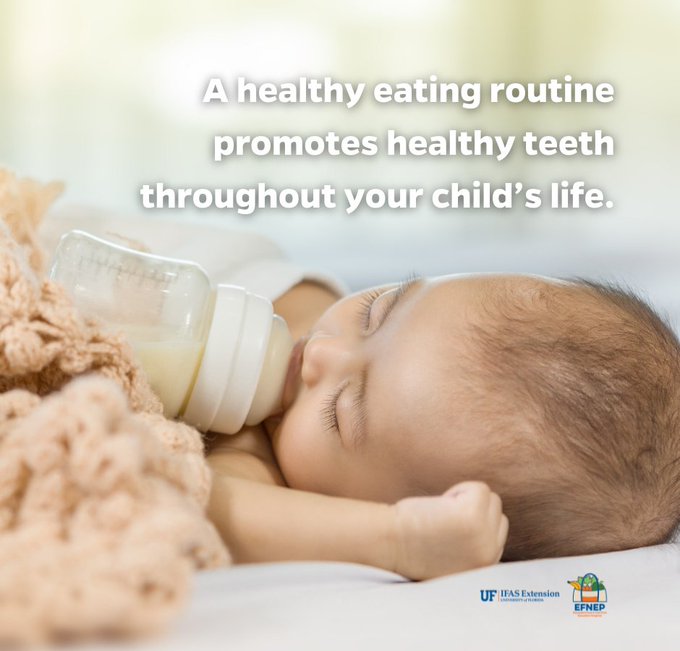
According to the survey, corporations' false advertisements claim that formula milk is advantageous from the first day of life. Breastfeeding alone does not fill a baby's stomach, according to popular belief.
There is also a claim that the chemicals in formula milk boost a child's immunity. Breast milk quality deteriorates over time, and formula milk fills the baby's tummy.
What is the truth?
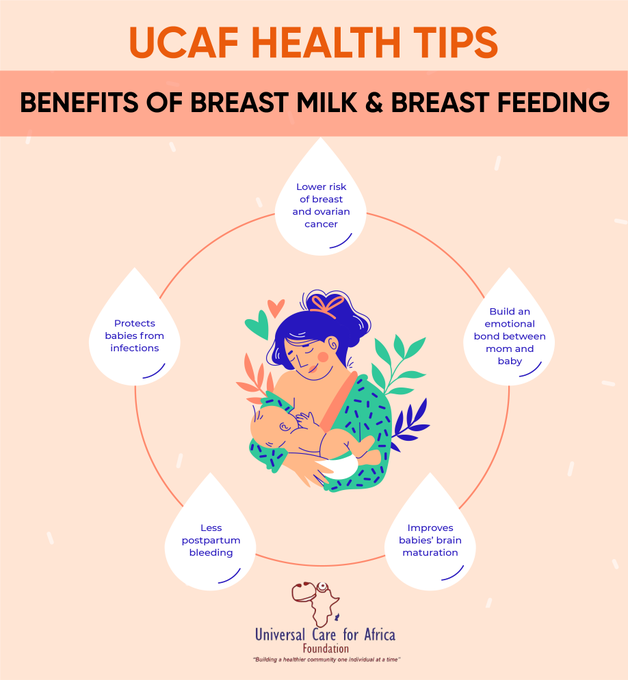
The reality, on the other hand, is rather different. Breastfeeding is critical in the first hour following birth. The baby does not require any more care other than breastfeeding for the first six months.
Breastfeeding is possible until the child reaches the age of two. All of this helps to build a lifetime foundation for a child's immunity while also preventing obesity.

Breastfeeding is thought to be the first vaccine given to an infant. At the time of birth, the ingredients in it work to protect the kid from a variety of ailments.
Breastfeeding a kid frequently lowers the mother's risk of diabetes, obesity, and cancer in the future, however despite these benefits, only 44% of babies are able to breastfeed until they are 6 months old.
Breastfeeding rates have remained constant over the last two decades, while formula milk sales have more than doubled.
Breastfeeding should be encouraged
According to the World health Organization, legislation should be enacted and severely implemented to prevent the illegal promotion of formula milk.
If there is a need to extend maternity and paternity leave, then it should be done. If doctors are prohibited from accepting such offers, they advocate for the sale of formula milk.
 click and follow Indiaherald WhatsApp channel