


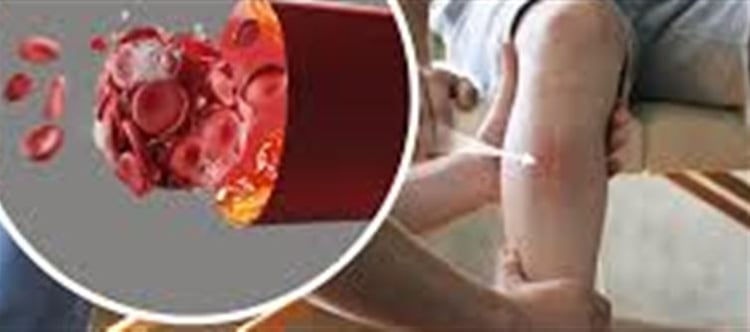

Many people ignore swelling in the feet or ankles, assuming it’s due to tiredness or prolonged standing. However, persistent swelling can sometimes signal serious cardiovascular problems, including Peripheral Artery Disease (PAD). Understanding PAD is important because early detection can prevent heart attacks, strokes, and other complications.
What is Peripheral Artery Disease (PAD)?
Peripheral Artery Disease (PAD) is a circulatory condition in which the arteries that supply blood to the limbs (usually legs) become narrowed or blocked due to plaque buildup. This limits blood flow and can lead to pain, swelling, and in severe cases, tissue damage.
- PAD is often caused by atherosclerosis, the same process that causes heart attacks.
- It affects the legs and feet, but is also an indicator of general cardiovascular risk.
Symptoms of PAD
PAD can sometimes be silent, but common warning signs include:
Swelling in the Feet or Ankles
Persistent swelling, especially if it occurs without obvious cause, can indicate poor circulation.
Pain or Cramping in Legs
Known as intermittent claudication, pain or cramps often occur while walking or exercising and improve with rest.
Cold or Numb Extremities
Poor blood flow may make feet or toes feel cold or numb.
Discoloration or Slow Healing Wounds
Sores, ulcers, or skin discoloration on feet and legs may develop due to reduced blood supply.
Weak or Absent Pulse in Legs
In severe PAD, pulses in the ankle or foot may be weak or absent.
Risk Factors for PAD
- Smoking – One of the strongest risk factors
- Diabetes – High blood sugar damages blood vessels
- High blood pressure and Cholesterol – Accelerates plaque buildup
- Obesity and Sedentary Lifestyle – Reduces circulation
- Age – Risk increases after 50 years
Why PAD Signals heart Risk
- PAD is not just a leg problem; it indicates systemic atherosclerosis.
- People with PAD are at higher risk of heart attack, stroke, and other cardiovascular diseases.
- Detecting PAD early can prevent serious heart complications through lifestyle changes and treatment.
Diagnosis of PAD
- Physical Exam – Checking pulses in legs and feet
- Ankle-Brachial Index (ABI) – Compares bp in ankle and arm to detect blockage
- Doppler Ultrasound – Measures blood flow in arteries
- Angiography – Imaging to see the extent of arterial blockage
Treatment and Management
Lifestyle Changes
Quit smoking
Exercise regularly to improve circulation
Maintain a healthy diet to control cholesterol and blood sugar
Medications
Drugs to dilate blood vessels, reduce cholesterol, or prevent clotting
Medical Procedures
In severe cases, angioplasty or bypass surgery may be required to restore blood flow
When to See a Doctor
Seek medical advice if you notice:
- Persistent swelling in feet or ankles
- Pain or cramps while walking
- Non-healing wounds or skin changes on legs
- Numbness or cold feet
Early diagnosis and treatment of PAD can reduce heart risk and improve quality of life.
Key Takeaways
- Swollen feet can be more than fatigue; it may indicate poor circulation due to PAD.
- PAD is a warning sign for heart disease, and early detection is crucial.
- Lifestyle changes, medication, and proper medical care can manage symptoms and lower cardiovascular risk.
Disclaimer:
The views and opinions expressed in this article are those of the author and do not necessarily reflect the official policy or position of any agency, organization, employer, or company. All information provided is for general informational purposes only. While every effort has been made to ensure accuracy, we make no representations or warranties of any kind, express or implied, about the completeness, reliability, or suitability of the information contained herein. Readers are advised to verify facts and seek professional advice where necessary. Any reliance placed on such information is strictly at the reader’s own risk.
 click and follow Indiaherald WhatsApp channel