
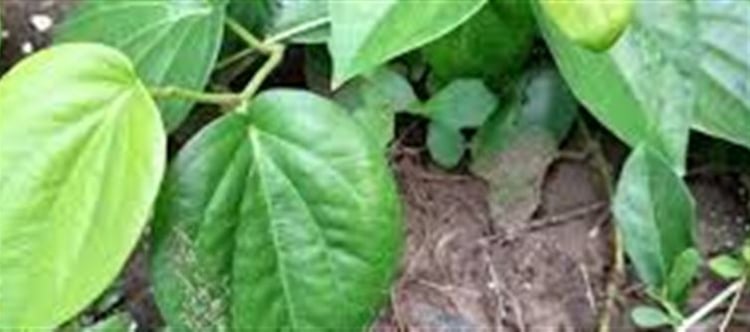


Betel leaves, scientifically known as Piper betle, are more than just a cultural symbol in many South and Southeast Asian traditions. Recognized for their aromatic flavor and medicinal properties, these green leaves have been used in ayurveda and traditional medicine for centuries. Incorporating betel leaves into your diet or daily routine can offer a variety of health benefits, ranging from improved digestion to enhanced oral health.
This article delves into the nutritional profile, health benefits, and practical uses of betel leaves.
1. Nutritional Composition of betel Leaves
Betel leaves are rich in essential nutrients and bioactive compounds, including:
Vitamins: vitamin A, B-complex, C
Minerals: Calcium, iron, magnesium, manganese, potassium
Essential Oils: Eugenol, chavicol, and other aromatic compounds
Phenols and Flavonoids: Provide antioxidant properties
Fiber: Supports digestion
This combination of nutrients and bioactive compounds makes betel leaves a powerful natural remedy for various health concerns.
2. Key health Benefits of betel Leaves
a) Improves Digestion
Chewing betel leaves or consuming them in herbal preparations stimulates saliva production, aiding digestion.
Essential oils in the leaves promote enzymatic activity and relieve bloating or indigestion.
b) Supports Oral Health
Betel leaves possess antibacterial and antifungal properties, which help prevent bad breath, tooth decay, and gum infections.
Regular use in small amounts can maintain oral hygiene naturally.
c) Boosts Immunity
Rich in antioxidants, betel leaves help fight free radicals, enhancing the body’s immune response.
Compounds like eugenol have anti-inflammatory and antimicrobial effects.
d) Helps in Respiratory Health
Betel leaves act as a mild expectorant, helping to clear nasal passages and ease cough or cold symptoms.
Steam inhalation with betel leaves can relieve nasal congestion and sinusitis.
e) Promotes Wound Healing
The antibacterial and anti-inflammatory compounds in betel leaves make them effective in healing minor cuts, wounds, and skin infections.
Fresh leaves can be crushed and applied externally for localized treatment.
f) Supports Blood sugar Management
Studies suggest that betel leaves may help regulate blood sugar levels by improving insulin activity, making them beneficial for people with type 2 diabetes.
g) Acts as a Natural Detoxifier
Betel leaves aid in removing toxins from the liver and blood, promoting overall detoxification and better metabolic health.
3. Traditional and Modern Uses
Chewing betel Leaves: Often combined with areca nut and spices (cultural tradition in South Asia).
Betel Leaf Tea: Fresh leaves boiled in water for a digestive and immunity-boosting drink.
Topical Application: Crushed leaves for wound healing or skin inflammation.
In Cooking: Used as a wrap for snacks or steamed preparations (e.g., betel leaf fish or meat rolls).
Herbal Remedies: Used in ayurveda for cough, cold, fever, and digestive ailments.
4. Precautions and Considerations
Avoid excessive use with areca nut or tobacco, as it can cause oral health issues.
Some individuals may be allergic; perform a patch test for topical application.
Pregnant or breastfeeding women should consult a doctor before regular consumption.
5. Conclusion
Betel leaves are a treasure of nature, offering a wide range of health benefits from digestion and immunity support to oral care and wound healing. Rich in antioxidants, essential oils, and nutrients, they can be incorporated into daily life through chewing, herbal teas, topical applications, or culinary uses.
While traditionally celebrated for cultural and medicinal purposes, modern science increasingly validates their therapeutic potential, making betel leaves a simple yet effective natural remedy for overall well-being.
By embracing this ancient leafy herb, you can enjoy not just flavor and tradition but also a holistic boost to your health.
Disclaimer:
The views and opinions expressed in this article are those of the author and do not necessarily reflect the official policy or position of any agency, organization, employer, or company. All information provided is for general informational purposes only. While every effort has been made to ensure accuracy, we make no representations or warranties of any kind, express or implied, about the completeness, reliability, or suitability of the information contained herein. Readers are advised to verify facts and seek professional advice where necessary. Any reliance placed on such information is strictly at the reader’s own risk.
 click and follow Indiaherald WhatsApp channel