
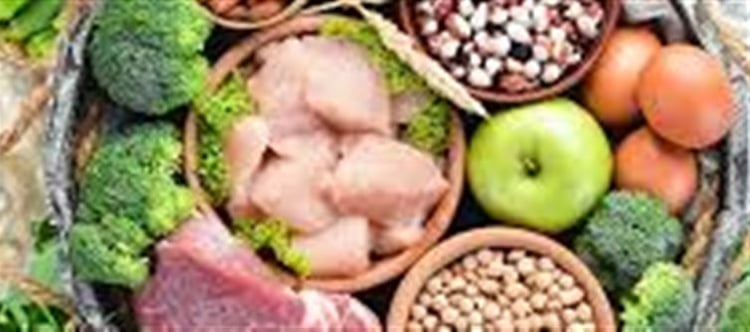


Protein is an essential nutrient that helps build muscles, repair tissues, and maintain overall health. While indian diets are traditionally rich in carbohydrates, it’s possible to increase protein intake with simple changes. Here are six practical tips to add more protein to your everyday indian meals.
1. Include More Legumes and Pulses
Legumes like lentils (dal), chickpeas (chana), kidney beans (rajma), and black-eyed peas (lobia) are excellent plant-based sources of protein.
Tips to include them:
Make dal, rajma, or chana curry for lunch or dinner.
Add boiled chickpeas or sprouts to salads.
Try mixed dal khichdi for a protein-rich comfort meal.
Legumes are also high in fiber, which helps with digestion and keeps you full for longer.
2. Eat More Dairy and Dairy Alternatives
Dairy products are a staple in indian diets and provide high-quality protein. Options include:
Milk and yogurt (curd): Drink milk or use yogurt in raita and smoothies.
Paneer (cottage cheese): Add to curries, stir-fries, or grilled dishes.
Cheese and buttermilk: Snack on cheese or sip buttermilk for protein boosts.
For those who are lactose intolerant, soy milk, almond milk with added protein, or tofu can be great alternatives.
3. Add eggs to Your Meals
Eggs are one of the most versatile and complete sources of protein.
Boiled or scrambled eggs make a quick breakfast.
Egg bhurji or omelets can be paired with whole wheat bread.
Hard-boiled eggs are excellent snacks for on-the-go protein.
Eggs provide all essential amino acids, making them a complete protein source.
4. Incorporate Nuts and Seeds
Nuts and seeds are not only rich in protein but also contain healthy fats and minerals.
Almonds, walnuts, cashews, and peanuts make great snacks.
Chia seeds, flaxseeds, pumpkin seeds, and sunflower seeds can be added to smoothies, yogurt, or salads.
Peanut butter is a tasty way to increase protein in sandwiches or toast.
A handful of nuts or seeds daily can significantly boost protein intake.
5. Include Protein-Rich Grains
Certain grains are higher in protein compared to standard rice or wheat.
Quinoa, buckwheat (kuttu), and millets (ragi, jowar, bajra) are excellent choices.
Brown rice and whole wheat have more protein than refined rice or flour.
Combine grains with legumes (like rice and dal) for a complete protein profile.
Switching to these grains can improve both protein intake and overall nutrient density.
6. Use protein Supplements if Needed
If your daily protein requirements are hard to meet through food alone, protein powders can be helpful.
Whey protein: Fast-absorbing and ideal post-workout.
Plant-based proteins: Pea, soy, or brown rice protein are good vegetarian options.
Add protein powders to smoothies, milk, or porridge.
Supplements should complement, not replace, natural protein sources.
Bonus Tip: Spread protein Throughout the Day
Instead of consuming all protein in one meal, distribute it across breakfast, lunch, dinner, and snacks. This ensures:
Better muscle protein synthesis
Longer-lasting satiety
Steadier blood sugar levels
For example: dal and rice at lunch, yogurt and nuts as snacks, paneer curry for dinner, and eggs for breakfast.
Conclusion
Adding more protein to an indian diet doesn’t require drastic changes. By incorporating legumes, dairy, eggs, nuts, seeds, high-protein grains, and supplements, you can meet your daily requirements easily. Consistency and variety are key to turning your meals into protein-rich, nutritious powerhouses.
Disclaimer:
The views and opinions expressed in this article are those of the author and do not necessarily reflect the official policy or position of any agency, organization, employer, or company. All information provided is for general informational purposes only. While every effort has been made to ensure accuracy, we make no representations or warranties of any kind, express or implied, about the completeness, reliability, or suitability of the information contained herein. Readers are advised to verify facts and seek professional advice where necessary. Any reliance placed on such information is strictly at the reader’s own risk.
 click and follow Indiaherald WhatsApp channel