
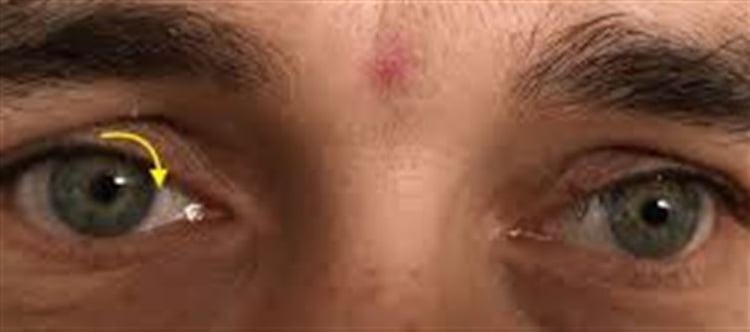


Eye twitching, also known as myokymia, is a common and usually harmless condition. It involves involuntary, repetitive movements of the eyelid muscles, often affecting the upper eyelid. While eye twitches can be annoying, they are rarely a sign of a serious medical condition. Understanding the causes, symptoms, and remedies can help you manage or prevent them effectively.
What Is Eye Twitching?
Eye twitching is a spasmodic movement of the eyelid muscles. These twitches are usually brief and may occur in one eye at a time. Most people experience them occasionally, and they often resolve on their own without treatment.
- Upper vs. Lower Eyelid: Twitches typically affect the upper eyelid, though the lower eyelid can also be involved.
- Frequency: Eye twitches may appear sporadically or persist for several days or weeks.
Common Causes of Eye Twitching
Several factors can trigger eye twitching. Most are temporary and linked to lifestyle or environmental influences.
1. Fatigue and Lack of Sleep
Sleep deprivation can overstimulate your eye muscles, leading to involuntary twitching. Adults usually need 7–9 hours of quality sleep per night for optimal eye health.
2. Stress
Stress is one of the leading triggers for eye twitches. During stressful periods, the nervous system may overreact, causing your eyelid muscles to contract uncontrollably.
3. Eye Strain
Spending long hours on computers, smartphones, or reading can fatigue your eye muscles. Poor lighting or incorrect prescription glasses can worsen the strain.
4. Caffeine and Alcohol
Excessive caffeine or alcohol consumption can overstimulate nerves and muscles, contributing to eyelid spasms.
5. Dry Eyes
Dry eyes can irritate the eyelids, especially in people who wear contact lenses or spend a lot of time in air-conditioned or heated environments.
6. Nutritional Imbalances
Deficiencies in magnesium, potassium, or calcium can lead to muscle twitches, including the eyelid muscles.
Less Common But Serious Causes
Though rare, persistent eye twitching may indicate an underlying neurological or medical condition:
- Blepharospasm: A chronic eyelid twitching disorder that may require treatment.
- Hemifacial Spasm: Twitching that spreads to other facial muscles.
- Neurological Disorders: Conditions like multiple sclerosis or Parkinson’s disease can rarely cause eye twitches.
Persistent twitches lasting more than 2 weeks, or accompanied by other symptoms like eye drooping, swelling, or vision changes, should prompt a visit to a doctor.
Symptoms to watch For
Most eye twitches are mild, but seek medical advice if you notice:
- Twitching that spreads beyond the eyelid
- Drooping eyelids or facial weakness
- Redness, swelling, or discharge
- Eye pain or changes in vision
Remedies and Prevention
1. Get Adequate Sleep
Prioritize 7–9 hours of restful sleep each night to allow your eye muscles to relax.
2. Reduce Stress
Incorporate relaxation techniques such as meditation, deep breathing, or yoga to reduce eyelid spasms.
3. Limit Screen Time
Take regular breaks from screens. Follow the 20-20-20 rule: every 20 minutes, look at something 20 feet away for 20 seconds.
4. Monitor Caffeine and Alcohol
Reduce intake of caffeine and alcohol to see if your twitch improves.
5. Use Eye Drops
If dry eyes are a factor, lubricating eye drops can help soothe irritation.
6. Ensure Proper Nutrition
Eating a balanced diet rich in magnesium, calcium, and potassium may help prevent muscle twitches.
When to See a Doctor
Most eye twitches are harmless and resolve on their own. However, consult an ophthalmologist or neurologist if you experience:
- Twitches lasting more than 2–3 weeks
- Twitches spreading to other facial muscles
- Associated eye pain, vision changes, or eyelid drooping
Early evaluation ensures there’s no underlying condition requiring treatment.
Conclusion
Eye twitching is a common, usually benign condition caused by factors like stress, fatigue, and eye strain. By adopting healthy sleep habits, managing stress, reducing screen time, and maintaining proper nutrition, most people can reduce or prevent eyelid spasms. Persistent or severe cases, however, should always be checked by a healthcare professional to rule out underlying medical conditions.
Disclaimer:
The views and opinions expressed in this article are those of the author and do not necessarily reflect the official policy or position of any agency, organization, employer, or company. All information provided is for general informational purposes only. While every effort has been made to ensure accuracy, we make no representations or warranties of any kind, express or implied, about the completeness, reliability, or suitability of the information contained herein. Readers are advised to verify facts and seek professional advice where necessary. Any reliance placed on such information is strictly at the reader’s own risk.
 click and follow Indiaherald WhatsApp channel