
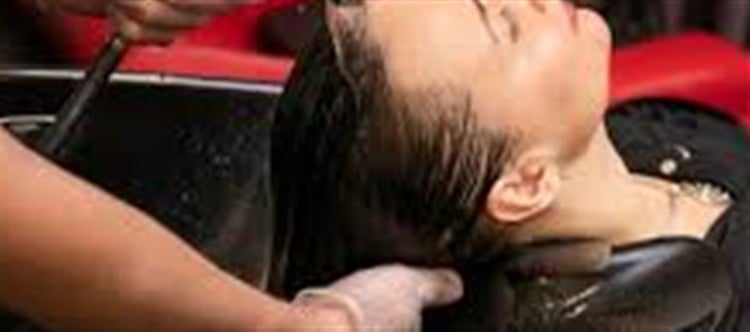


Winter often brings a chill that makes hot showers feel irresistible, but washing your hair with very hot water may not be as safe as it seems. Experts explain why and how you can protect your hair and scalp during cold months.
1. Hot Water Can Strip Natural Oils
The Concern: Hot water removes the scalp’s natural oils, which act as a protective barrier.
Effect on Hair:
Leads to dry, brittle hair
Increases frizz and split ends
Can make the scalp dry and itchy
Expert Tip: Use lukewarm water instead of boiling hot water. It cleanses without stripping essential oils.
2. Hot Water May Damage Hair Cuticles
The Concern: High temperatures can raise the hair cuticle, the outer protective layer of each strand.
Effect on Hair:
Makes hair rough and weak
Reduces shine and smoothness
Increases breakage and tangling
Expert Tip: Finish with a cool rinse to seal cuticles and retain moisture.
3. Scalp health Risks
The Concern: Hot water can irritate the scalp, worsen dandruff, and increase sensitivity.
Effect on Scalp:
Redness, dryness, or flaking
Potential aggravation of eczema or psoriasis
Expert Tip: Keep the water comfortably warm (not hot) and use gentle, hydrating shampoos.
4. Impact on Hair Color
The Concern: Hot water can fade hair color faster, whether natural or dyed.
Expert Tip: If you color your hair, rinse with lukewarm or cool water to preserve color and shine.
5. Best Practices for Winter Hair Care
Wash hair 2–3 times a week to avoid over-drying.
Use a mild, moisturizing shampoo and conditioner regularly.
Apply hair oils or leave-in treatments to retain moisture.
Avoid scorching hot water; opt for lukewarm or slightly warm water.
Protect hair from cold air after washing by drying gently and covering if needed.
✅ Bottom Line: Washing hair with very hot water in winter can damage hair and scalp by stripping natural oils, weakening strands, and causing dryness. Using lukewarm water, moisturizing products, and a cool rinse helps maintain healthy, shiny, and strong hair even in the coldest months.
Disclaimer:
The views and opinions expressed in this article are those of the author and do not necessarily reflect the official policy or position of any agency, organization, employer, or company. All information provided is for general informational purposes only. While every effort has been made to ensure accuracy, we make no representations or warranties of any kind, express or implied, about the completeness, reliability, or suitability of the information contained herein. Readers are advised to verify facts and seek professional advice where necessary. Any reliance placed on such information is strictly at the reader’s own risk.
 click and follow Indiaherald WhatsApp channel