


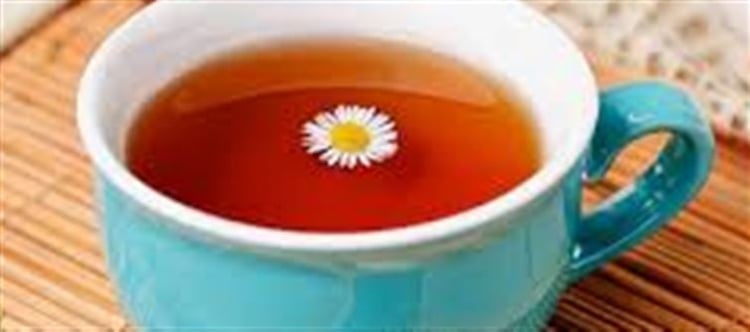

In today’s fast-paced world, stress has become almost unavoidable. While there are many ways to relax, one of the simplest and most effective is sipping a warm cup of herbal tea. Herbal teas are not only soothing but also contain natural compounds that can help reduce stress, calm the mind, and promote better sleep. Here are 6 herbal teas you should try.
1. Chamomile Tea
Chamomile is one of the most popular herbal teas for relaxation.
Benefits: Contains apigenin, an antioxidant that binds to certain receptors in the brain, promoting calmness and sleep.
How to Use: Steep 1–2 teaspoons of dried chamomile flowers in hot water for 5–10 minutes.
Best For: Reducing anxiety, calming nerves, and improving sleep quality.
2. Tulsi (Holy Basil) Tea
Tulsi, also known as holy basil, is a revered herb in Ayurveda.
Benefits: Acts as an adaptogen, helping the body cope with stress and balancing cortisol levels.
How to Use: Boil fresh or dried tulsi leaves in water for 5–7 minutes, strain, and sip slowly.
Best For: Boosting immunity while reducing mental and physical stress.
3. Peppermint Tea
Peppermint tea is refreshing and has a cooling effect on the body and mind.
Benefits: Relaxes muscles, eases tension headaches, and promotes a sense of calm.
How to Use: Steep a handful of fresh peppermint leaves or a tea bag in hot water for 5–7 minutes.
Best For: Stress-related headaches and mental fatigue.
4. Lavender Tea
Lavender is well-known for its soothing fragrance, and the tea offers similar calming benefits.
Benefits: Contains compounds that reduce anxiety and improve sleep quality.
How to Use: Steep 1–2 teaspoons of dried lavender buds in hot water for 5 minutes.
Best For: evening relaxation and winding down before bed.
5. Lemon Balm Tea
Lemon balm belongs to the mint family and has a mild, lemony flavor.
Benefits: Reduces cortisol levels, improves mood, and promotes mental clarity.
How to Use: Steep 1 tablespoon of fresh or dried lemon balm leaves in hot water for 5–10 minutes.
Best For: Reducing mild anxiety and promoting relaxation during stressful days.
6. green tea (Decaffeinated for Stress Relief)
While green tea is often associated with energy, decaffeinated green tea contains compounds that support calmness.
Benefits: Contains L-theanine, an amino acid that promotes relaxation and reduces stress without causing drowsiness.
How to Use: Steep green tea leaves in hot water for 2–3 minutes. Opt for decaffeinated if drinking in the evening.
Best For: Enhancing focus and relaxation simultaneously.
Tips for Making the Most of Herbal Teas
Drink your tea slowly, savoring the aroma and warmth.
Avoid adding too much sugar; natural honey can be used sparingly.
Create a calming tea ritual, such as sipping before bed or during a short break, to maximize relaxation.
Combine herbal teas with deep breathing or meditation for added stress relief.
Conclusion
Herbal teas are more than just a comforting drink—they are natural allies in reducing stress and promoting calm. From chamomile and tulsi to lavender and lemon balm, each tea offers unique benefits for mental and emotional well-being. Incorporate these teas into your daily routine to naturally ease tension, improve sleep, and support a healthier, calmer mind.
Disclaimer:
The views and opinions expressed in this article are those of the author and do not necessarily reflect the official policy or position of any agency, organization, employer, or company. All information provided is for general informational purposes only. While every effort has been made to ensure accuracy, we make no representations or warranties of any kind, express or implied, about the completeness, reliability, or suitability of the information contained herein. Readers are advised to verify facts and seek professional advice where necessary. Any reliance placed on such information is strictly at the reader’s own risk.
 click and follow Indiaherald WhatsApp channel