


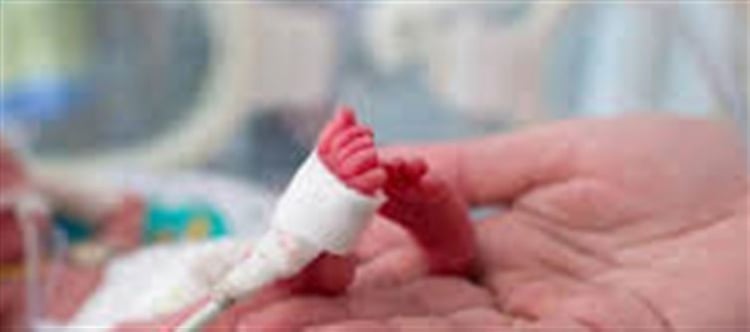

Preterm birth, defined as delivery before 37 weeks of pregnancy, affects millions of babies worldwide. Babies born prematurely are at a higher risk of health complications, including respiratory problems, developmental delays, and low birth weight. Understanding the causes of preterm birth and taking preventive steps can help improve maternal and neonatal outcomes.
1. Infections During Pregnancy
How it Causes Preterm Birth:
Bacterial infections (urinary tract infections, bacterial vaginosis) or viral infections can trigger inflammation in the uterus.
This can stimulate early labor or rupture of membranes.
Prevention Tips:
Attend regular prenatal checkups.
Get screened and treated promptly for infections.
Maintain good hygiene and safe sexual practices.
2. Multiple Pregnancies (Twins, Triplets, etc.)
How it Causes Preterm Birth:
Carrying more than one baby increases uterine stretching, leading to early labor.
Prevention Tips:
Close monitoring with an obstetrician specializing in high-risk pregnancies.
Rest and reduced physical strain if recommended by your doctor.
Nutritional support to ensure adequate growth for all babies.
3. Chronic health Conditions of the Mother
Examples: Diabetes, high blood pressure, thyroid disorders, kidney disease.
How it Causes Preterm Birth:
These conditions can affect placental blood flow, increasing the risk of complications that may necessitate early delivery.
Prevention Tips:
Proper management of pre-existing medical conditions before and during pregnancy.
Regular monitoring of blood sugar, blood pressure, and kidney function.
Work closely with a maternal-fetal medicine specialist if high-risk.
4. lifestyle Factors
Examples: Smoking, alcohol consumption, drug use, excessive stress.
How it Causes Preterm Birth:
These habits can trigger uterine contractions, impair fetal growth, or compromise the placenta.
Prevention Tips:
Avoid smoking, alcohol, and recreational drugs during pregnancy.
Practice stress management techniques such as yoga, meditation, or counseling.
Maintain a healthy weight and balanced diet.
5. Problems with the Uterus, Cervix, or Placenta
Examples: Short cervix, uterine malformations, placenta previa.
How it Causes Preterm Birth:
Weak cervical muscles or abnormal placental attachment can trigger early labor or premature rupture of membranes.
Prevention Tips:
Regular ultrasound screenings to monitor cervical length and placental position.
Medical interventions such as cerclage (stitching the cervix) if necessary.
Avoid activities that may put pressure on the cervix during high-risk pregnancies.
6. Previous Preterm Births
How it Causes Preterm Birth:
A history of preterm delivery increases the likelihood of recurrence.
Often linked to genetic factors, cervical weakness, or uterine abnormalities.
Prevention Tips:
Early prenatal care and risk assessment.
Use of progesterone supplements if recommended by the doctor.
Close monitoring for signs of early labor throughout pregnancy.
✅ Key Takeaways
Preterm birth is complex and influenced by multiple factors including medical, lifestyle, and genetic causes.
Early and regular prenatal care is essential for identifying risks.
Healthy lifestyle choices, infection prevention, and management of chronic conditions can significantly reduce the risk of preterm birth.
Awareness and timely intervention can make a big difference for both mother and baby’s health
Disclaimer:
The views and opinions expressed in this article are those of the author and do not necessarily reflect the official policy or position of any agency, organization, employer, or company. All information provided is for general informational purposes only. While every effort has been made to ensure accuracy, we make no representations or warranties of any kind, express or implied, about the completeness, reliability, or suitability of the information contained herein. Readers are advised to verify facts and seek professional advice where necessary. Any reliance placed on such information is strictly at the reader’s own risk.
 click and follow Indiaherald WhatsApp channel