


Introduction
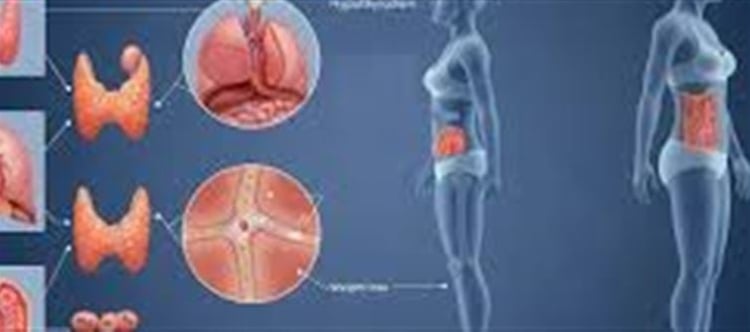
The thyroid, a small butterfly-shaped gland in the neck, plays a critical role in regulating metabolism, energy levels, and hormonal balance. Despite its importance, many people with thyroid issues often resort to extreme dieting or starvation, thinking it will control weight or thyroid function. Nutrition experts caution that this approach can be harmful and counterproductive.
The Role of Thyroid in the Body
The thyroid gland produces hormones like T3 (triiodothyronine) and T4 (thyroxine), which regulate:
- Metabolism – how the body converts food into energy.
- Heart rate and body temperature.
- Growth and development, especially in children.
- Mood and cognitive function.
Any imbalance in thyroid hormones, such as in hypothyroidism (low hormone levels) or hyperthyroidism (excess hormone levels), affects overall health.
Why Starvation Is Harmful for Thyroid Health
Starving or drastically reducing calorie intake can:
- Lower metabolism further, especially in hypothyroid patients.
- Cause nutrient deficiencies critical for thyroid hormone production, like iodine, selenium, and zinc.
- Increase fatigue, mood swings, and hair loss.
- Disrupt hormonal balance, potentially worsening thyroid disorders.
Foods That Nourish the Thyroid
Nutritionists recommend a balanced diet rather than restriction. Important nutrients include:
Iodine-Rich Foods
- Seaweed, iodized salt, fish, dairy
- Essential for T3 and T4 production
Selenium-Rich Foods
- Brazil nuts, eggs, fish, sunflower seeds
- Helps in hormone conversion and antioxidant protection
Zinc and iron Sources
- Meat, legumes, pumpkin seeds
- Supports thyroid function and immune health
Protein-Rich Foods
- Lean meats, legumes, tofu
- Maintains muscle mass and supports metabolism
Avoid Excess Goitrogens
Certain foods like raw cabbage, cauliflower, and soy can interfere with thyroid hormone production if consumed in large amounts. Cooking these foods reduces their effect.
The Role of lifestyle in Thyroid Health
- Regular exercise – helps maintain metabolism.
- Stress management – chronic stress can affect hormone levels.
- Adequate sleep – essential for endocrine function.
Expert Advice
Nutritionists emphasize: “Feeding your thyroid is better than starving it. A consistent, nutrient-rich diet supports hormone balance, energy, and overall well-being.” Extreme diets are discouraged, particularly for those on thyroid medication, as fluctuations in nutrition can impact drug efficacy.
Conclusion
Thyroid health relies on nourishment, not deprivation. A balanced diet, rich in key vitamins and minerals, combined with a healthy lifestyle, ensures optimal thyroid function and overall wellness. Starvation or fad diets may offer temporary weight loss but can have long-term detrimental effects on the thyroid and metabolism.
Disclaimer:
The views and opinions expressed in this article are those of the author and do not necessarily reflect the official policy or position of any agency, organization, employer, or company. All information provided is for general informational purposes only. While every effort has been made to ensure accuracy, we make no representations or warranties of any kind, express or implied, about the completeness, reliability, or suitability of the information contained herein. Readers are advised to verify facts and seek professional advice where necessary. Any reliance placed on such information is strictly at the reader’s own risk.
 click and follow Indiaherald WhatsApp channel