
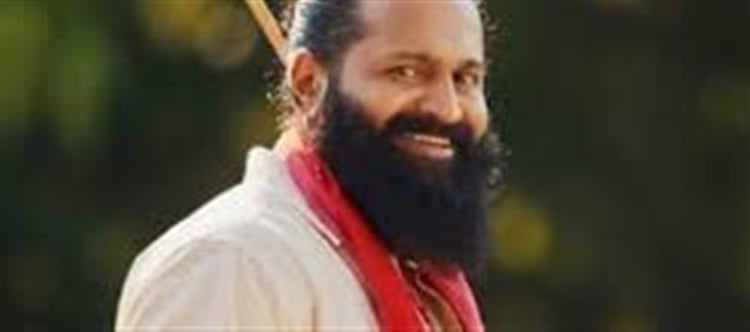


Today marks the 3rd anniversary of the theatrical release of Kantara, a film that has left an indelible mark on indian cinema. Directed and headlined by Rishab Shetty, the film has transcended its regional roots to become a cultural phenomenon, admired for its authentic storytelling, captivating performances, and unique blend of mythology, tradition, and action. On its third anniversary, let's revisit the intense preparation and passion that went into making Kantara the masterpiece it is.
1. Rishab Shetty's Dedication to the Role and Story
Kantara isn’t just a film; it's an experience. Directed, written, and performed by Rishab Shetty, the film blends elements of Karnataka's folklore and traditional rituals into a gripping narrative that resonates deeply with audiences. Shetty’s passion for showcasing the essence of the Tulu culture and the Bhuta Kola ritual made the film not only a box office hit but also a cinematic triumph.
Rishab Shetty's performance as Shiva, a man caught between faith, tradition, and the harsh realities of the world, stands out. But it wasn’t just the acting that made Kantara special; it was the immense effort Shetty put into the prep.
2. The Grueling Preparation: Bhuta Kola and Bull Racing
One of the defining elements of Kantara is its seamless integration of real-life rituals and culture into the narrative. Shetty was determined to give an authentic portrayal of the Bhuta Kola ritual, which is an integral part of the coastal regions of Karnataka.
· Bhuta Kola Ritual: The Bhuta Kola, a folk ritual where performers embody spirits to appease the gods, became the cornerstone of the film. Shetty spent months studying and training in the rituals, even undergoing an intense physical regimen to mimic the spirit-dancing performances accurately. The scenes are raw and intense, which contributed heavily to the film’s authenticity.
· Bull Racing: Another aspect of Shetty’s preparation involved learning bull racing, a traditional sport in Karnataka. The scenes involving bull racing were not only visually stunning but also represented the emotional and spiritual connection between the people and their land. Rishab Shetty trained rigorously for these sequences, ensuring safety while also bringing intensity and realism to the racing scenes.
3. The Film’s Cultural Significance
Kantara is rooted deeply in the land, culture, and traditions of coastal Karnataka. It is a film that celebrates the relationship between man and nature, while exploring themes of land disputes, spirituality, and the price of progress. Its success lies in the fact that it does not merely entertain; it educates and brings attention to a part of indian culture that is often overlooked.
The film’s success was not just measured by its box office earnings, but also by its ability to strike a chord with the audience. The stunning visuals, gripping narrative, and powerful performances made it one of the most talked-about films in recent times.
4. From Regional Hit to National Glory
What started as a regional film in Karnataka quickly gained national and international recognition. The film's ability to connect with audiences across different cultures and languages played a key role in its success. It was dubbed into multiple languages, including Hindi, Telugu, and Tamil, helping it reach a much larger audience.
By the time Kantara completed its theatrical run, it had grossed over ₹400 crores at the box office, making it one of the highest-grossing films in 2022. Its appeal transcended regional cinema, and it became a part of mainstream indian cinema, earning accolades from critics and audiences alike.
5. The Legacy of Kantara
As Kantara turns 3, its legacy is more than just a successful film; it is a cultural milestone. The film has sparked conversations about the importance of folklore, rituals, and traditions in modern-day storytelling. It has also highlighted the power of authentic representation in cinema, showing that regional films, when made with passion and dedication, can have a global impact.
Rishab Shetty’s vision for Kantara has been lauded for bringing traditional stories into the mainstream and showing that Indian folklore can be both modern and timeless. The film not only celebrated the local culture of Karnataka but also bridged the gap between modern sensibilities and ancient beliefs, creating a narrative that resonated across generations.
6. Conclusion: Celebrating a Cinematic Triumph
As we look back on the incredible success of Kantara, it’s clear that the film's impact will be felt for many years to come. From its intense preparation by Rishab Shetty to its cultural richness and visual brilliance, Kantara has secured its place as a modern classic in indian cinema.
On its 3rd anniversary, we celebrate Kantara for its artistry, its authenticity, and its ability to make us feel connected to our roots. Here’s to the film that brought the world of Bhuta Kola, bull racing, and Karnataka folklore to life – a true testament to the power of storytelling.
Disclaimer:
The views and opinions expressed in this article are those of the author and do not necessarily reflect the official policy or position of any agency, organization, employer, or company. All information provided is for general informational purposes only. While every effort has been made to ensure accuracy, we make no representations or warranties of any kind, express or implied, about the completeness, reliability, or suitability of the information contained herein. Readers are advised to verify facts and seek professional advice where necessary. Any reliance placed on such information is strictly at the reader’s own risk..jpg)
 click and follow Indiaherald WhatsApp channel