



On august 15 last year, the Taliban captured Kabul which is the capital of Afghanistan. This is known as "Taliban rule 2.0" because the Taliban has taken over afghanistan for the second time. The previous one was in september 1996 when the Taliban took over Kabul. From 1996 the first Taliban control of Kabul ended in Achi in october 2001. In this case, with august 2022, one year has been completed since the Taliban took over the country of afghanistan and came to power. Since the Taliban seized power last year, a series of restrictions have been reimposed on women in Afghanistan.
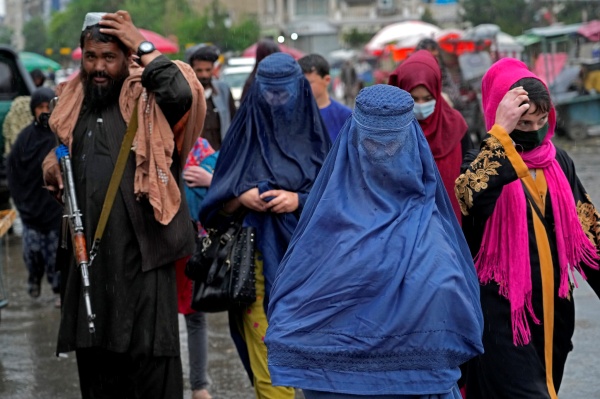 Regulations on dress and laws prohibiting men from going to public places unaccompanied have been enforced. In March, schools reopened for the new academic year, but the Taliban have broken an earlier promise that girls are now not allowed to attend secondary school. The Taliban has said that secondary education for girls is not allowed due to the shortage of female teachers. Similarly, women's participation in employment increased from 15 to 22 percent during the period 1998 to 2019.
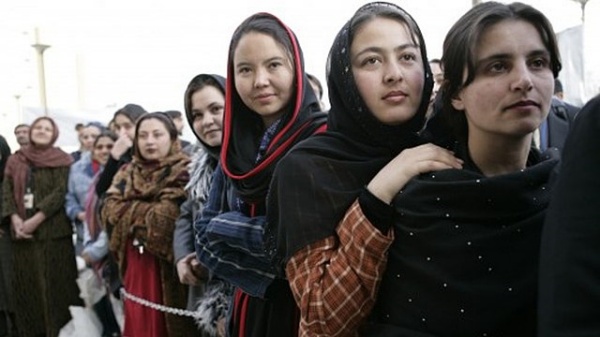 But it fell again to 15 percent in 2021, a year in which 10 years of efforts have deteriorated. Since the Taliban's entry into afghanistan, many foreign development organizations and financial institutions have left the country. At the same time, international sanctions further worsened Afghanistan's economy.The suspension of foreign financial aid has led to a large drop in financial reserves, the World bank said, as foreign financial aid contributes about 45% of the country's GDP, which has worsened the country's financial situation. Due to this, the availability of basic benefits and facilities for the people is also affected.
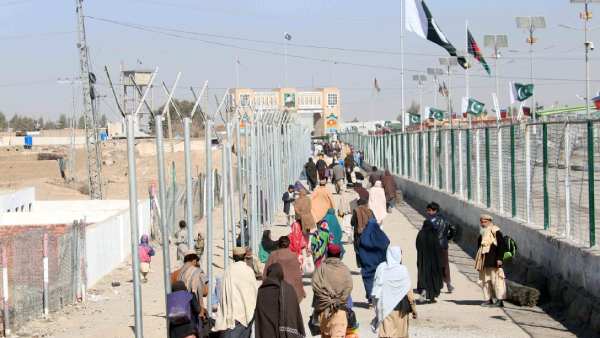 However, although some international countries have helped afghanistan, they have not helped to improve the economic conditions of the country. A report published by the United Nations said that half of Afghanistan's population lives below the poverty line, and millions of Afghan citizens will be pushed into poverty by the end of 2021.
 To improve economic conditions, the Taliban government is increasing tax revenues and increasing coal exports. In january this year, the Taliban government announced a three-month budget in which the Taliban reported collecting $400 million in domestic revenue from september to december 2021.
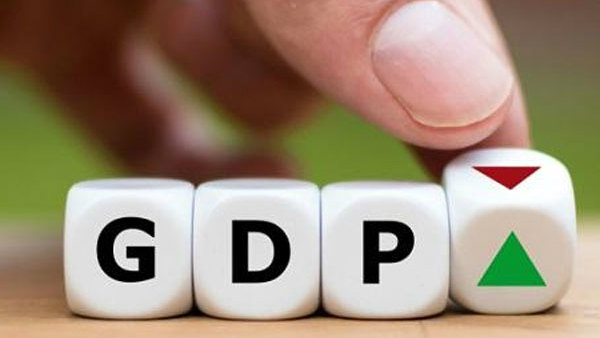 The United Nations Development Program reports that the country's GDP was $20 billion in 2020 and will drop to $16 billion in 2021 under Taliban rule. Afghanistan's GDP will fall to $14 billion in 2022 if no action is taken to boost GDP, the report said. Afghanistan's annual per capita income has fallen from $650 in 2012 to $500 in 2020. This could fall to $350 in the coming years, says the UNDP report. This sharp decline has made afghanistan one of the poorest countries in Asia.
 click and follow Indiaherald WhatsApp channel