


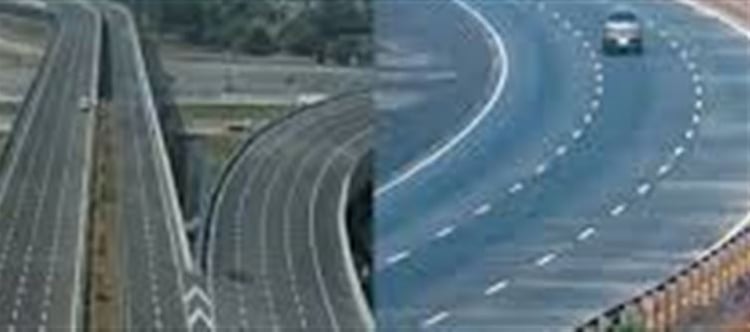

Road transport is the backbone of modern infrastructure, and in india, highways and expressways play a key role in connecting cities, towns, and states. While both facilitate travel, they differ significantly in design, rules, and usage. Understanding these differences is essential for safe and efficient driving.
1. What is a Highway?
A highway is a major public road that connects cities, towns, and sometimes states. Highways allow a mix of vehicles including cars, buses, trucks, motorcycles, bicycles, and sometimes even pedestrians or animal-drawn carts.
Key Features of Highways:
- Typically have 2–4 lanes (some may be larger).
- Allow at-grade intersections, traffic signals, and pedestrian crossings.
- Access is open, meaning vehicles can enter or exit at multiple points.
- Speed limits are moderate, generally between 60–100 km/h for cars.
- Examples in India: NH 44, NH 19.
Highways are designed to connect regions rather than facilitate high-speed travel, so drivers must be cautious of mixed traffic and frequent stops.
2. What is an Expressway?
An expressway is a controlled-access, high-speed road designed specifically for motor vehicles. Expressways are modern roads with safety and speed as primary considerations.
Key Features of Expressways:
- Usually 4–8 lanes with divided carriageways.
- No at-grade intersections, signals, or pedestrian crossings.
- Access is limited to entry and exit ramps.
- Vehicles below a certain speed or non-motorized traffic are not allowed.
- Speed limits are higher, typically 100–120 km/h for cars.
- Examples in India: Delhi–Meerut Expressway, Mumbai–Pune Expressway.
Expressways focus on uninterrupted travel, safety, and efficiency, making them ideal for long-distance journeys.
3. Key Differences Between Highway and Expressway
Feature
Highway
Expressway
Access
Open access, multiple entry/exit points
Controlled access via ramps only
Traffic Type
Mixed: cars, buses, trucks, bikes, cycles, pedestrians
Only motorized vehicles; no pedestrians or cycles
Speed Limit
60–100 km/h for cars
100–120 km/h for cars
Intersections
At-grade, signals allowed
No intersections or signals
Safety Features
Basic medians, signage
High-quality medians, crash barriers, emergency lanes
Lane Count
Usually 2–4 lanes
Usually 4–8 lanes with divided carriageways
Toll
May or may not be tolled
Usually tolled for maintenance and operation
Simply put: All expressways are highways, but not all highways are expressways.
4. Rules for Driving on Highways
Driving safely on highways requires attention to mixed traffic and road conditions. Key rules include:
Speed Limits:
Cars: 60–100 km/h
Heavy vehicles: 50–80 km/h
Lane Discipline:
Keep left unless overtaking.
Use right lane for overtaking slower vehicles.
Overtaking:
Overtake only on the left in india (left-hand traffic).
Avoid overtaking near curves, intersections, or bridges.
Use of Horn:
Use horns judiciously, especially in hilly areas.
Emergency Stops:
Use emergency bays or shoulders safely.
Traffic Signals and Signs:
Follow all traffic signs and pedestrian crossings.
5. Rules for Driving on Expressways
Expressways are high-speed roads with stricter rules to ensure smooth travel.
Speed Limits:
Cars: 100–120 km/h
Trucks/Buses: 80–100 km/h
Lane Usage:
Leftmost lane: slow vehicles
Middle/right lanes: faster vehicles and overtaking
Overtaking:
Only on the right side in india (for left-hand traffic).
Restricted Access:
No pedestrians, bicycles, motorcycles below 50 cc, or animal-driven carts.
Emergency Lane Usage:
Only for breakdowns or emergencies.
Toll Payment:
Most expressways are tolled; electronic toll collection (FASTag) is recommended.
Prohibited Actions:
No U-turns or reversing.
Stopping without emergency reasons is illegal.
6. Safety Tips for Both Highways and Expressways
- Always wear seat belts or helmets.
- Avoid over-speeding, especially in curves or near tolls.
- Keep a safe distance from the vehicle in front.
- Do not use mobile phones while driving.
- Check your vehicle condition before long trips (fuel, tires, brakes).
7. Conclusion
Highways and expressways serve different purposes but are both vital for travel:
- Highways: Connect regions, allow mixed traffic, moderate speeds.
- Expressways: Controlled access, high-speed, motorized vehicles only, enhanced safety.
Understanding the rules and differences ensures safe, legal, and efficient travel for everyone on India’s roads.
Disclaimer:
The views and opinions expressed in this article are those of the author and do not necessarily reflect the official policy or position of any agency, organization, employer, or company. All information provided is for general informational purposes only. While every effort has been made to ensure accuracy, we make no representations or warranties of any kind, express or implied, about the completeness, reliability, or suitability of the information contained herein. Readers are advised to verify facts and seek professional advice where necessary. Any reliance placed on such information is strictly at the reader’s own risk.
 click and follow Indiaherald WhatsApp channel