
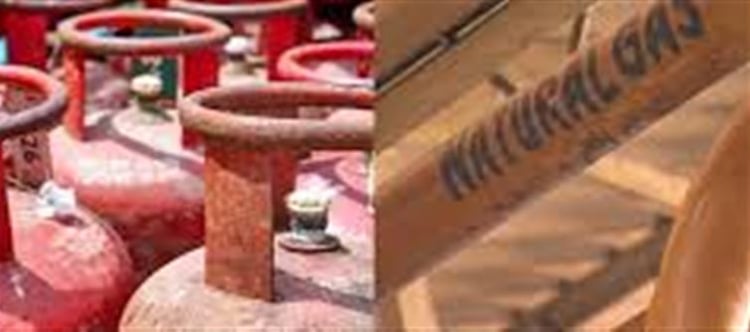


Choosing the right cooking fuel for your kitchen can make a big difference in convenience, cost, safety and supply reliability. Here’s how LPG (Liquefied Petroleum Gas) and PNG (Piped Natural Gas) compare — and how to decide whether it’s worth switching if PNG is available in your area.
🔥 What Are LPG and PNG?
LPG (Liquefied Petroleum Gas)
- Supplied in portable cylinders delivered to your home.
- Widely available in urban and rural areas.
- Needs periodic refilling and replacement.
PNG (Piped Natural Gas)
- Delivered continuously through underground pipelines directly to your kitchen.
- Works like your water or electricity line — no cylinders to store or replace.
- Mostly available in urban and expanding city areas.
✔ Key Differences: LPG vs PNG
Feature
LPG (Cylinder)
PNG (Piped Gas)
Supply Type
Cylinder delivered to home
Continuous pipeline supply
Convenience
Need to book & replace cylinders
No refill, 24/7 supply
Cooking Performance
Higher heat/energy (hotter flames)
Slightly lower heat output; efficient
Safety
Heavier gas; stored under high pressure
Lighter gas; supplied at lower pressure
Cost Over Time
Price fluctuates with global markets
Typically more stable and often cheaper per unit
😊 Pros of Switching to PNG
1. Uninterrupted Supply
You no longer need to worry about running out of gas mid‑cooking or booking cylinders — gas flows continuously.
2. Greater Convenience
No physical cylinders to carry, store, or replace. That means no heavy lifting or waiting for delivery.
3. Good Safety Profile
PNG systems often have built‑in safety mechanisms like meters and regulators, and because the gas is lighter than air, it disperses more easily if leaked.
4. More Stable Prices
Since PNG is not as tied to international LPG prices, your monthly bills tend to be more predictable — and often cheaper over time.
5. No Cylinder Storage Hazards
No risk of keeping high‑pressure cylinders inside or near your home.
⚠️ Things to Consider Before Switching
🏠 1. PNG Must Be Available in Your Area
PNG service works only where pipelines have been laid out — currently mostly in cities and urban clusters. If there’s no network yet, you can’t switch.
🪙 2. Initial Setup Cost
Installing a PNG connection and meter may involve one‑time security deposits or installation charges, which can be higher than starting with LPG.
🔧 3. Kitchen gas stove Adjustment
Your current LPG stove may need a nozzle or burner conversion so it burns PNG safely and efficiently.
💡 4. Pricing Depends on Usage
If you use gas very sparingly (e.g., 1–2 people cooking infrequently), LPG cylinders with subsidy might sometimes cost less per month than your PNG bill — but this varies by region and usage.
📜 New government Rules to Know
The government is actively encouraging households to switch to PNG wherever infrastructure exists. In many areas, policies now limit or stop LPG cylinder supply once you have a pipeline connection — giving you a transition period (usually around 90 days) to migrate.
This is part of a broader strategy to reduce reliance on imported LPG and make energy supplies more secure and efficient.
🧠 Quick Checklist: Should You Switch?
✔ PNG infrastructure is already available to you
✔ You want 24/7 uninterrupted gas
✔ You prefer no cylinder handling or bookings
✔ You want potentially lower monthly fuel costs
✔ You’re ready to handle initial connection charges and stove conversion
➡ If most of these are yes, then switching to PNG could be a smart move.
🔚 Final Verdict: LPG or PNG?
Category
Better Option
Ease & convenience
PNG
Price stability
PNG
High‑heat cooking
LPG (slightly more intense flame)
Availability across India
LPG
Long‑term cost & less hassle
PNG
👉 Bottom line: If PNG is available at your home and you cook regularly, switching from LPG often makes sense — especially for uninterrupted supply, convenience, and long‑term savings.
Disclaimer:
The views and opinions expressed in this article are those of the author and do not necessarily reflect the official policy or position of any agency, organization, employer, or company. All information provided is for general informational purposes only. While every effort has been made to ensure accuracy, we make no representations or warranties of any kind, express or implied, about the completeness, reliability, or suitability of the information contained herein. Readers are advised to verify facts and seek professional advice where necessary. Any reliance placed on such information is strictly at the reader’s own risk.
 click and follow Indiaherald WhatsApp channel