


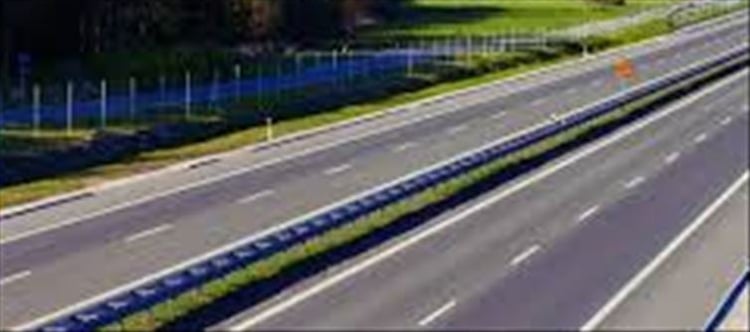

The newly developed high-speed road link between delhi and dehradun is being described as more than just a transport upgrade—it is quickly turning into a “corridor of earnings” for businesses, commuters, and nearby towns.
The expressway is part of India’s broader push to improve national road infrastructure under the National Highways Authority of India.
1. What Makes This Expressway a Game-Changer?
The Delhi–Dehradun Expressway is designed to:
- Reduce travel time significantly between the two cities
- Improve road safety with controlled-access lanes
- Support faster freight movement
- Decongest older, crowded highways
With smoother connectivity, both passenger and commercial traffic are expected to rise sharply.
2. Why It’s Called a “Corridor of Earnings”
The phrase comes from the economic activity triggered along the route.
🚧 New business Growth
- Roadside hotels and dhabas
- Fuel stations and EV charging points
- Logistics and warehousing hubs
🏘️ Real Estate Boom
- Rising demand for plots and housing near highway exits
- Growth in satellite towns and suburban development zones
🚛 Logistics Expansion
- Faster movement of goods between NCR and Uttarakhand
- Reduced transport costs for companies
3. Boost for Tourism and Weekend Travel
The expressway strengthens tourism flow to Uttarakhand:
- Easier access to hill destinations from Delhi
- Increased weekend travel to Dehradun
- Growth in hotels, homestays, and adventure tourism businesses
This directly benefits local communities dependent on tourism income.
4. Impact on local Employment
With new commercial activity along the corridor:
- Construction and maintenance jobs increase
- Hospitality sector hiring rises
- Small vendors and service providers gain steady customers
- Logistics companies expand workforce requirements
5. Role of Modern Highway Infrastructure
Developed under agencies like the National Highways Authority of India, such expressways are part of a larger strategy to:
- Build economic corridors
- Improve regional connectivity
- Support industrial decentralization
6. Challenges to Watch
Despite the economic boost, some concerns remain:
- Rapid urbanization pressure on small towns
- Environmental impact in ecologically sensitive zones
- Traffic management at entry/exit points
- Rising land prices affecting locals
Conclusion
The Delhi–Dehradun Expressway is evolving into a true “corridor of earnings,” connecting delhi and dehradun not just through faster travel, but through new economic opportunities, tourism growth, and infrastructure-driven development under the National Highways Authority of India.
Disclaimer:
The views and opinions expressed in this article are those of the author and do not necessarily reflect the official policy or position of any agency, organization, employer, or company. All information provided is for general informational purposes only. While every effort has been made to ensure accuracy, we make no representations or warranties of any kind, express or implied, about the completeness, reliability, or suitability of the information contained herein. Readers are advised to verify facts and seek professional advice where necessary. Any reliance placed on such information is strictly at the reader’s own risk.
 click and follow Indiaherald WhatsApp channel