


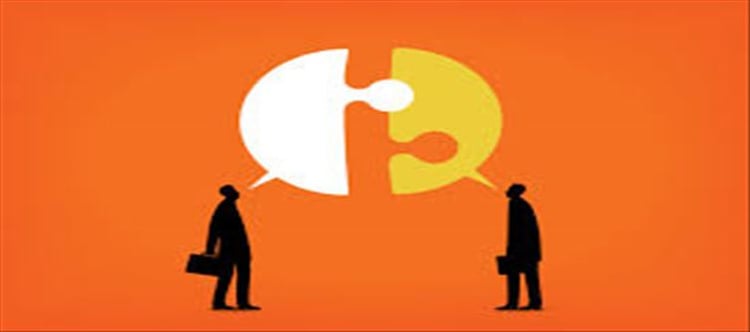

Paradoxes are intriguing intellectual puzzles that challenge our understanding of logic and perception. They often present seemingly contradictory statements or situations that defy simple resolution. These enigmatic constructions have captured the imagination of philosophers, mathematicians and scientists for centuries, forcing them to delve deeper into the mysteries of existence.
.jpg)
A famous paradox is the "liar's paradox," which occurs when a sentence refers to itself in a way that creates a logical contradiction. For example, the sentence "This sentence is false" presents a paradoxical situation because if the sentence is true then it must be false, but if it is false then it must be true. This paradox exposes the limits of self-referential claims and raises questions about the nature of truth and language.
Another intriguing paradox is the "grandfather paradox" of time travel theory. He posits that a paradox would arise if one were to go back in time and prevent his birth, such as by killing his grandfather before he had children. If a person was never born, then he cannot go back in time to change events. This paradox illustrates the logical mysteries of time travel and the complexities of cause and effect.
Paradoxes are not only intellectual oddities but also valuable tools for critical thinking and problem-solving. They challenge us to question assumptions, explore alternative perspectives and reflect on the limits of our understanding. By dealing with paradoxes, we gain a deeper understanding of the complexity of the world and expand our cognitive abilities.
 click and follow Indiaherald WhatsApp channel