
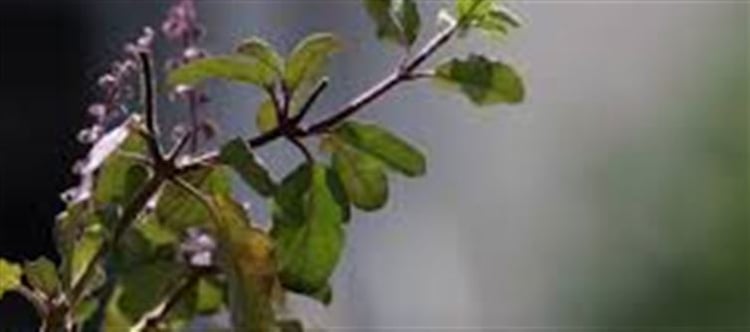


Tulsi (Holy Basil) is not just a sacred plant in many households—it’s also prized for its medicinal properties, including boosting immunity, aiding digestion, and purifying the air. However, Tulsi is a tropical plant, and winter can be challenging for its survival and growth. Cold temperatures, frost, and reduced sunlight can stress the plant, making proper winter care essential. By following some simple, thoughtful practices, you can keep your Tulsi healthy, thriving, and spiritually vibrant throughout the colder months.
Why Winter Care is Important for Tulsi
Temperature Sensitivity: Tulsi prefers warm, tropical conditions and is sensitive to frost.
Reduced Growth: Lower sunlight and colder temperatures slow down photosynthesis and growth.
Susceptibility to Disease: Cold and damp conditions can make Tulsi vulnerable to fungal infections.
Leaf Damage: Frost or prolonged cold can cause leaves to yellow, wilt, or drop.
Proper winter care ensures your Tulsi remains healthy and continues to offer its medicinal and spiritual benefits.
1. Protect Tulsi from Frost and Cold
Move Indoors: If grown in a pot, bring Tulsi indoors or into a greenhouse when temperatures drop below 10°C (50°F).
Cover the Plant: Use a light cloth, frost cover, or even a plastic sheet to protect outdoor plants during cold nights.
Avoid Direct Cold Drafts: Keep indoor plants away from windows, doors, or air vents that blow cold air.
2. Ensure Proper Sunlight
Tulsi requires sunlight to maintain its growth and medicinal properties:
Ideal Light: Place the plant where it can receive at least 4–6 hours of sunlight daily.
Indoor Lighting: If natural sunlight is limited, supplement with fluorescent or LED grow lights.
Rotate the Pot: Turn the plant occasionally to ensure all sides receive adequate light.
3. Watering Adjustments in Winter
Tulsi’s water needs decrease during cold months, but moisture is still essential:
Check Soil Moisture: Water only when the top 1–2 inches of soil are dry.
Avoid Waterlogging: Cold, soggy soil can cause root rot.
Use Room-Temperature Water: Cold water can shock the roots.
Tip: A small drainage tray under the pot can help avoid water accumulation.
4. Maintain Optimal Soil Conditions
Healthy soil supports the plant through winter:
Well-Draining Soil: Use a mixture of garden soil, compost, and sand to prevent water stagnation.
Mulching: Apply a thin layer of organic mulch around the base to retain warmth and moisture.
Fertilization: Reduce heavy fertilization in winter; a light dose of organic compost once a month is sufficient.
5. Pruning and Care
Pruning helps Tulsi conserve energy and encourages healthy growth in spring:
Remove Dead Leaves: Trim yellow, wilted, or damaged leaves regularly.
Light Pruning: Cut back overgrown stems to promote airflow and prevent fungal infections.
Avoid Heavy Harvesting: Limit leaf plucking in winter to prevent stress.
6. Temperature and Humidity Management
Ideal Temperature: Maintain a range of 15–25°C (59–77°F) for optimal growth.
Humidity: Indoor heating can dry the air; occasionally mist the leaves to prevent drying.
Avoid Cold Floors: Place pots on stands or mats to reduce exposure to cold surfaces.
7. Pest and Disease Prevention
Winter does not eliminate pest threats:
Check Leaves Regularly: Inspect for aphids, spider mites, or fungal spots.
Natural Remedies: Use neem oil spray or mild soapy water to control pests.
Good air Circulation: Prevent fungal growth by avoiding crowded indoor placements.
8. Repotting Considerations
If Tulsi has outgrown its pot before winter:
Repot Carefully: Use fresh, nutrient-rich soil and ensure good drainage.
Timing: Avoid repotting during the coldest months; early autumn or late spring is better.
Handle Gently: Cold-stressed plants are more fragile; minimize root disturbance.
Conclusion
Tulsi is a resilient and sacred plant, but winter requires special attention to keep it thriving. By protecting it from frost, providing adequate sunlight, adjusting watering routines, maintaining healthy soil, pruning wisely, and monitoring temperature and pests, you can ensure your Tulsi remains healthy and vibrant throughout the colder months. Caring for Tulsi in winter not only preserves its medicinal benefits but also maintains the spiritual and aesthetic charm it brings to any home.
Disclaimer:
The views and opinions expressed in this article are those of the author and do not necessarily reflect the official policy or position of any agency, organization, employer, or company. All information provided is for general informational purposes only. While every effort has been made to ensure accuracy, we make no representations or warranties of any kind, express or implied, about the completeness, reliability, or suitability of the information contained herein. Readers are advised to verify facts and seek professional advice where necessary. Any reliance placed on such information is strictly at the reader’s own risk.
 click and follow Indiaherald WhatsApp channel