


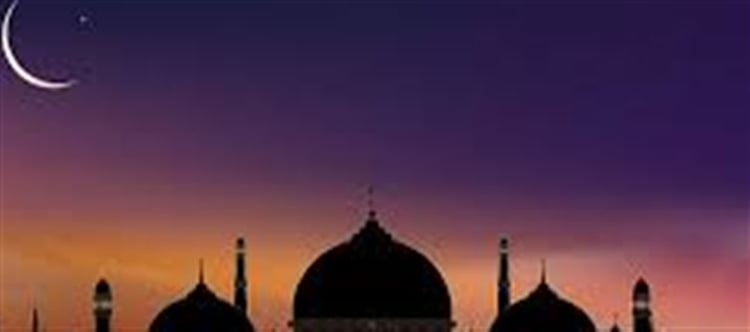

The Islamic holy month of Ramadan (Ramzan) 1447 AH is just around the corner, and Muslim communities worldwide are preparing for a period of fasting, prayer, self‑reflection, charity and community devotion. The start of Ramadan is determined by the sighting of the crescent moon (hilal) — a tradition observed across Islamic societies.
🌛 Moon Sighting: The Key to Ramadan’s Start
Islamic months follow the lunar calendar, so the beginning of Ramadan is based on the first sighting of the crescent moon just after sunset on the 29th day of Shaban (the month before Ramadan).
- Astronomical data shows the new moon (conjunction) occurs on February 17, 2026.
- Official moon sighting efforts — both local and community‑based — will take place after sunset on february 17 or February 18.
- If the crescent moon is sighted on the evening of February 17, then Ramadan begins on february 18 with the first fasting day (Roza) the next morning.
- If the moon isn’t seen that evening, fasting will begin a day later, on February 19.
Most forecasts and announcements by regional moon sighting committees suggest February 19, 2026 is the most likely first day of fasting for many countries including india, as the crescent is expected to be visible then.
📅 Why Dates May Vary by Region
Moon sighting often differs based on geographical location, weather conditions, and local sighting traditions:
- In Saudi Arabia and parts of the gulf, the crescent is expected to be sighted on the evening of February 18, leading to a first fast on february 19.
- Oman has already officially announced Ramadan will begin on february 19 based on sighting reports.
- In India, most communities traditionally follow either the local sighting or align with announcements from the gulf and other Islamic authorities, making February 19 the expected start.
🗓️ Ramadan Duration & Eid al‑Fitr
Once Ramadan begins, it lasts 29 or 30 days depending on the sighting of the next crescent moon after the end of the month.
- If Ramadan completes 29 days, it would end on March 18, 2026, with Eid al‑Fitr on March 19.
- If the moon isn’t sighted then, Ramadan may extend to 30 days, making Eid al‑Fitr fall on march 20.
🌄 Sehri and Iftar: Daily Ramadan Timings
During Ramadan, adult Muslims fast from dawn (Sehri/Pre‑Dawn) until sunset (Iftar) each day. The specific times vary daily and by location. Below are approximate timings for New Delhi, India in 2026 (subject to local sunrise/sunset):
Date
Sehri Ends (Fajr)
Iftar Begins (Maghrib)
Feb 19
~5:36 AM
~6:15 PM
Feb 20
~5:35 AM
~6:16 PM
Feb 21
~5:35 AM
~6:17 PM
Feb 22
~5:34 AM
~6:17 PM
Feb 23
~5:33 AM
~6:18 PM
Feb 24
~5:32 AM
~6:19 PM
Feb 25
~5:31 AM
~6:19 PM
Feb 26
~5:30 AM
~6:20 PM
(These are example times for reference; exact local timings may vary slightly. Always verify with your local mosque or official prayer timetable.)
🧕 What Sehri and Iftar Mean
🌅 Sehri (Pre‑Dawn Meal)
Sehri is the last meal eaten before dawn before fasting begins. Fasting starts at the Fajr prayer time, so Muslims must finish eating and drinking before Sehri ends.
🌇 Iftar (Breaking Fast)
Iftar is the evening meal where the fast is broken at sunset (Maghrib prayer time). Traditionally, dates and water are used to break the fast, followed by a larger meal with family and community.
🌟 Why Ramadan Holds Special Significance
Ramadan isn’t just about fasting — it’s a spiritually rich month that encourages:
- Reflection and self‑discipline
- Increased prayer and Quran recitation
- Charity (Zakat and Sadaqah)
- Strengthened community bonds
It culminates in Eid al‑Fitr, a festive celebration of gratitude, communal prayer and shared feasts.
🙏 Final Take
While the official start of Ramadan 2026 will ultimately be confirmed after the moon sighting on february 17 or 18, most communities are preparing for the **first fast to fall on February 19, 2026. Sehri and Iftar timings will vary by city but awake to pre‑dawn meals and sunset breaks will mark each day of fasting throughout the month, leading to a meaningful and blessed period for millions of Muslims globally.
Disclaimer:
The views and opinions expressed in this article are those of the author and do not necessarily reflect the official policy or position of any agency, organization, employer, or company. All information provided is for general informational purposes only. While every effort has been made to ensure accuracy, we make no representations or warranties of any kind, express or implied, about the completeness, reliability, or suitability of the information contained herein. Readers are advised to verify facts and seek professional advice where necessary. Any reliance placed on such information is strictly at the reader’s own risk.
 click and follow Indiaherald WhatsApp channel