
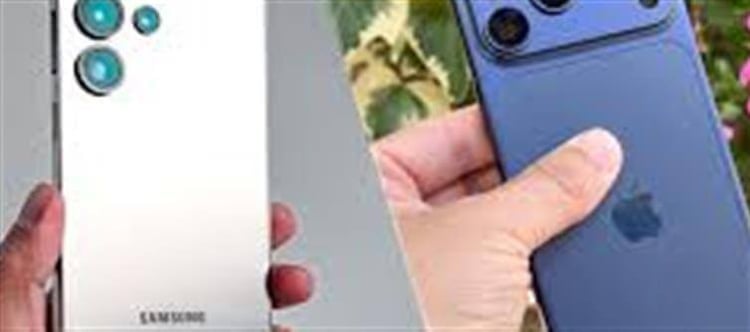


In the ever-evolving world of smartphone photography, samsung and apple continue to push the boundaries of what’s possible. The samsung S26 Ultra and iphone 17 Pro Max, both flagship devices, are packed with cutting-edge camera technology—but which one truly rules the photography game? Let’s break down the 5 key differences that set them apart.
1. Camera Sensor and Resolution
· Samsung S26 Ultra: Features a massive 200MP main sensor, which captures incredibly detailed shots, even when cropping or zooming. Its large sensor size allows more light to hit the pixels, improving low-light performance.
· iPhone 17 Pro Max: Uses a slightly smaller 48MP main sensor but leverages Apple’s advanced computational photography to enhance detail, color accuracy, and dynamic range. While the raw resolution is lower, the iphone often produces more balanced and natural-looking images.
Verdict: samsung dominates in sheer resolution and detail, while iphone focuses on optimized, realistic results.
2. Zoom Capabilities
· Samsung S26 Ultra: Offers a revolutionary 10x optical zoom and up to 100x wallet PLATFORM' target='_blank' title='digital-Latest Updates, Photos, Videos are a click away, CLICK NOW'>digital zoom, making it ideal for distant subjects and creative photography.
· iPhone 17 Pro Max: Sticks to a 3x optical zoom and improved wallet PLATFORM' target='_blank' title='digital-Latest Updates, Photos, Videos are a click away, CLICK NOW'>digital zoom. Though limited in reach, Apple’s zoom algorithm maintains clarity and reduces noise effectively.
Verdict: samsung is the clear winner for extreme zoom, but iphone excels in maintaining usable quality at moderate zoom levels.
3. Night and Low-Light Photography
· Samsung S26 Ultra: Its large sensor and Night Mode allow for bright, detailed night shots, though sometimes prone to over-processing or slight noise in darker areas.
· iPhone 17 Pro Max: Apple’s Night Mode relies heavily on computational photography, producing consistent, natural-looking night photos with excellent color preservation.
Verdict: iphone takes the crown for natural low-light photography, while samsung offers brighter but sometimes less natural results.
4. Video Recording and Cinematic Features
· Samsung S26 Ultra: Supports 8K video at 30fps, Super Steady stabilization, and a range of professional video modes. It’s excellent for creators seeking high resolution and flexibility.
· iPhone 17 Pro Max: Offers 4K video at 60fps, cinematic mode with depth-of-field effects, and Dolby Vision HDR recording. Apple’s video processing ensures color accuracy and smooth stabilization.
Verdict: samsung offers higher resolution options, but apple provides a more polished cinematic experience.
5. Computational Photography and AI Enhancements
· Samsung S26 Ultra: Uses AI to optimize scenes, adjust lighting, and enhance details. It allows for versatile editing and creative filters but can sometimes exaggerate colors.
· iPhone 17 Pro Max: Apple’s Deep Fusion, Smart HDR 5, and Photonic Engine emphasize realistic textures, improved dynamic range, and consistent results across lighting conditions.
Verdict: apple leads in computational photography, delivering consistently natural and high-quality images without manual tweaks.
Final Thoughts
The samsung S26 Ultra and iphone 17 Pro Max excel in different areas. samsung dominates in raw sensor power, zoom range, and high-resolution captures, making it ideal for photography enthusiasts who love detail and creative freedom. apple focuses on realism, consistency, and video excellence, catering to users who prefer effortless, polished results.
In short:
· Choose samsung S26 Ultra for sheer versatility, zoom, and detail.
· Choose iphone 17 Pro Max for natural, reliable photography and cinematic video quality.
Disclaimer:
The views and opinions expressed in this article are those of the author and do not necessarily reflect the official policy or position of any agency, organization, employer, or company. All information provided is for general informational purposes only. While every effort has been made to ensure accuracy, we make no representations or warranties of any kind, express or implied, about the completeness, reliability, or suitability of the information contained herein. Readers are advised to verify facts and seek professional advice where necessary. Any reliance placed on such information is strictly at the reader’s own risk.
 click and follow Indiaherald WhatsApp channel