


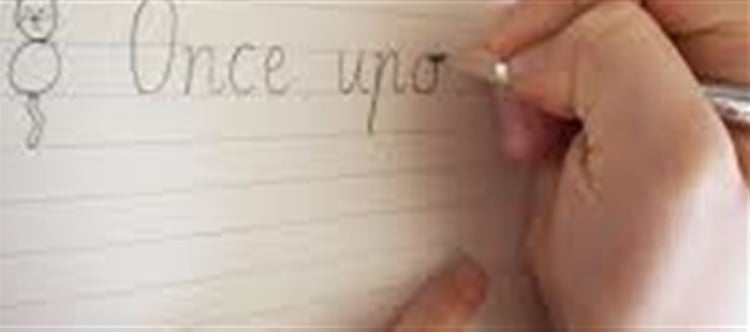

Good handwriting is a vital skill for children, affecting not only their academic performance but also their confidence and self-expression. While some children develop neat handwriting naturally, others may struggle due to weak fine motor skills, poor hand-eye coordination, or improper grip. Regular pen exercises can significantly improve handwriting by strengthening hand muscles, enhancing dexterity, and fostering better control over writing instruments.
Understanding Handwriting Challenges
Children may face handwriting difficulties due to:
- Weak fine motor skills (small muscle movements in the fingers, hands, and wrists)
- Poor hand-eye coordination
- Incorrect pencil or pen grip
- Lack of visual-motor integration, making it hard to form letters accurately
Addressing these challenges early with structured exercises can make handwriting practice more enjoyable and effective.
Pen Exercises to Improve Handwriting
1. Pencil Grip Practice
A proper grip is fundamental to handwriting. Children should ideally use a tripod grip, holding the pen with the thumb, index, and middle fingers.
Exercises:
- Use grip-friendly pencils or pencil toppers to encourage correct positioning
- Practice picking up small objects with tweezers to strengthen the fingers
- Draw simple shapes and letters focusing on correct finger placement
2. Tracing and Copying Shapes
Tracing helps children develop control, coordination, and precision.
Exercises:
- Trace basic geometric shapes (circles, squares, triangles)
- Trace letters, numbers, and patterns
- Copy designs from worksheets or coloring books
3. Line and Curve Practice
Writing consists of lines, curves, and loops. Practicing these separately builds muscle memory.
Exercises:
- Draw vertical, horizontal, and diagonal lines
- Practice wavy and zigzag lines
- Make loops and circular patterns, gradually increasing speed and accuracy
4. Finger and Hand Strengthening
Stronger fingers and hands improve pen control and reduce fatigue.
Exercises:
- Squeezing clay or playdough
- Picking up small beads or buttons
- Rubber band stretches: Place a rubber band around the fingers and open/close repeatedly
5. Fine Motor Coordination Drills
Improving hand-eye coordination enhances letter formation.
Exercises:
- Dot-to-dot drawing activities
- Connect-the-dots worksheets
- Cutting along lines with child-safe scissors
6. Writing Games
Making handwriting practice fun keeps children motivated.
Exercises:
- Writing letters in sand, salt, or shaving cream
- Forming letters with clay or pipe cleaners
- Using a chalkboard to write large letters, then transferring to paper
7. Speed and Accuracy Exercises
Once basic control is established, practice balancing speed and neatness.
Exercises:
- Timed copying exercises with a focus on legibility
- Writing short sentences or simple stories
- Gradually reducing the size of letters to improve precision
8. Posture and Paper Positioning
Proper posture and paper alignment make handwriting smoother.
Guidelines:
- Sit upright with feet flat on the floor
- Keep the paper slightly tilted for the dominant hand
- Hold the pen lightly without excessive pressure
Tips for Effective Practice
- Start with short, frequent sessions (5–10 minutes daily)
- Celebrate small achievements to boost confidence
- Use colorful worksheets and fun activities to maintain interest
- Monitor progress and adjust exercises based on challenges
Conclusion
Handwriting is a skill that can be significantly enhanced through structured pen exercises, fine motor strengthening, and practice games. With consistent effort and supportive guidance, children can develop neat, legible handwriting while enjoying the learning process. Early intervention not only improves handwriting but also fosters confidence and a lifelong love of writing.
Disclaimer:
The views and opinions expressed in this article are those of the author and do not necessarily reflect the official policy or position of any agency, organization, employer, or company. All information provided is for general informational purposes only. While every effort has been made to ensure accuracy, we make no representations or warranties of any kind, express or implied, about the completeness, reliability, or suitability of the information contained herein. Readers are advised to verify facts and seek professional advice where necessary. Any reliance placed on such information is strictly at the reader’s own risk.
 click and follow Indiaherald WhatsApp channel