
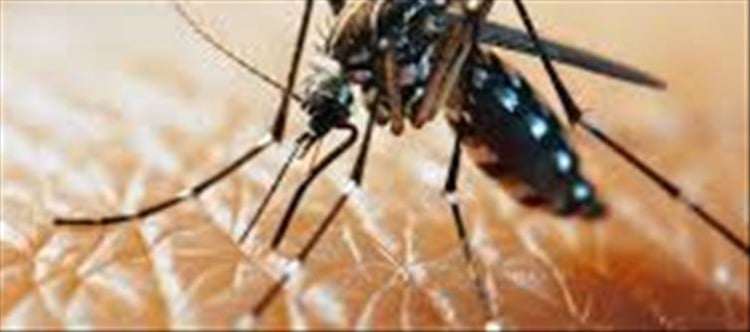


Dengue fever has become one of the fastest-growing mosquito-borne diseases in urban areas across the world. Rapid urbanization, poor waste management, climate change, and modern lifestyle patterns have all contributed to the increasing spread of dengue. Cities with dense populations and inadequate sanitation create the perfect environment for mosquitoes to breed and transmit infection.
Understanding how urban living contributes to dengue outbreaks is essential for prevention and public health awareness.
What Is Dengue?
Dengue is a viral infection transmitted primarily by the Aedes aegypti mosquito. These mosquitoes are active during daytime, especially in the early morning and evening hours.
Common Symptoms of Dengue
High fever
Severe headache
Joint and muscle pain
Skin rashes
Nausea and vomiting
Fatigue and weakness
Pain behind the eyes
In severe cases, dengue can lead to dengue hemorrhagic fever or dengue shock syndrome, which may become life-threatening.
Why Urban Areas Are Seeing More dengue Cases
1. Rapid Urbanization
Cities are expanding faster than infrastructure development. Construction sites, overcrowded housing, and poor drainage systems create stagnant water pools where mosquitoes breed easily.
Common Urban Breeding Spots
Open water tanks
Construction sites
Discarded plastic containers
Old tyres
Rooftop water storage
Clogged drains
As more people move into cities, mosquito-human contact also increases significantly.
2. Modern lifestyle Habits
Urban lifestyles indirectly encourage mosquito breeding and disease transmission.
Increased Use of Water Storage
In many cities facing water shortages, households store water in buckets, tanks, and containers. If these are not covered properly, they become ideal mosquito breeding grounds.
Indoor Living
Aedes mosquitoes thrive indoors. Since urban populations spend more time inside apartments, offices, shopping malls, and co-working spaces, the chances of mosquito bites increase.
Improper Waste Disposal
Plastic cups, bottles, cans, and food containers often collect rainwater. Poor waste management in urban neighborhoods contributes heavily to mosquito growth.
3. Climate Change and Rising Temperatures
Warmer temperatures and irregular rainfall patterns have accelerated mosquito breeding cycles.
How Climate Change Affects dengue Spread
Mosquitoes reproduce faster in warm conditions
Rainwater accumulation creates breeding sites
Longer monsoon seasons increase mosquito lifespan
Humid weather helps mosquitoes survive longer
Urban heat islands — where cities remain warmer than surrounding rural areas — further support mosquito activity.
4. High population Density
Dense urban populations make it easier for dengue to spread rapidly from one person to another through mosquito bites.
In crowded residential areas:
Mosquitoes find more hosts nearby
Infections spread quickly
Outbreaks become harder to control
This is especially problematic in slums and poorly planned urban settlements.
The Role of Construction and Infrastructure
Construction sites are among the biggest contributors to dengue outbreaks in cities.
Why Construction Areas Become High-Risk Zones
Water accumulates in cement tanks and equipment
Unfinished drainage systems trap rainwater
Temporary labor camps may lack sanitation
Without proper monitoring, even a small amount of stagnant water can produce hundreds of mosquitoes within days.
How Urban Residents Can Protect Themselves
Preventing dengue requires both personal responsibility and community action.
1. Eliminate Standing Water
Check your surroundings regularly and remove stagnant water from:
Flower pots
Coolers
Buckets
Tyres
Balcony trays
Pet bowls
Even small amounts of water can support mosquito breeding.
2. Use Mosquito Protection
Effective Prevention Methods
Mosquito repellents
Window screens
Mosquito nets
Full-sleeved clothing
Electric mosquito vaporizers
Daytime protection is especially important because dengue mosquitoes bite during the day.
3. Maintain Clean Surroundings
Communities should focus on:
Proper garbage disposal
Cleaning drains regularly
Covering water tanks
Reporting stagnant water areas to local authorities
Public participation is critical for controlling dengue outbreaks.
4. Strengthen Public health Awareness
Many dengue cases worsen because people ignore early symptoms.
When to Seek Medical Attention
Consult a doctor immediately if fever is accompanied by:
Severe body pain
Persistent vomiting
Bleeding gums
Difficulty breathing
Extreme weakness
Early diagnosis can prevent complications.
Government and Community Responsibility
Urban dengue control requires coordinated efforts between governments, health departments, and citizens.
Important Public health Measures
Fogging operations
Mosquito surveillance
Public awareness campaigns
Better drainage systems
Waste management improvements
Regular inspection of construction sites
Cities that invest in preventive infrastructure usually experience fewer outbreaks.
The Future of dengue in Urban Areas
As cities continue to grow, dengue may become an even larger public health challenge unless preventive measures improve.
Experts believe that future dengue control will depend on:
Smarter urban planning
Improved sanitation systems
Climate adaptation strategies
Community participation
Better healthcare access
Technology-driven mosquito monitoring and public awareness campaigns may also help reduce outbreaks.
Final Thoughts
The rise in dengue cases is closely linked to modern urban lifestyles and rapidly growing cities. Poor sanitation, water storage habits, climate change, overcrowding, and infrastructure gaps all contribute to the spread of the disease.
While governments play an important role in mosquito control, individuals and communities must also take responsibility for maintaining clean surroundings and preventing mosquito breeding.
Simple preventive actions taken consistently can significantly reduce the risk of dengue and help create healthier urban environments.
Disclaimer:
The views and opinions expressed in this article are those of the author and do not necessarily reflect the official policy or position of any agency, organization, employer, or company. All information provided is for general informational purposes only. While every effort has been made to ensure accuracy, we make no representations or warranties of any kind, express or implied, about the completeness, reliability, or suitability of the information contained herein. Readers are advised to verify facts and seek professional advice where necessary. Any reliance placed on such information is strictly at the reader’s own risk.
 click and follow Indiaherald WhatsApp channel