
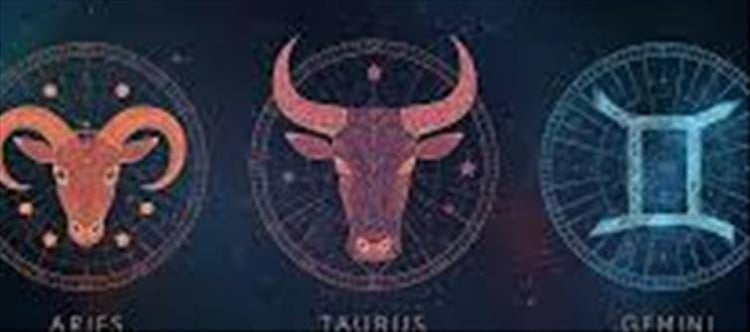


Aashada Maas (July 2026) pairs the Sun's transit across the Gemini-Cancer cusp with Saturn retrograde in Aquarius, creating a period traditional Vedic astrology links to emotional introspection and financial caution. According to Jyotish Shastra principles cited by Drik Panchang and the Panchanga traditions, this alignment urges restraint in new investments and heightened self-awareness across all twelve rashis.
The monsoon does not just arrive in grey curtains of rain. It arrives, if you follow the ancient solar calendar, as Aashada — a month that traditional Jyotish Shastra has always treated less as a season and more as a summons. A summons to slow down, look inward, and — this year — to keep your hand off the \"invest now\" button a little longer than usual.
Aashada Maas 2026 opens with the sun transiting the Gemini-Cancer cusp, according to the Vedic Panchanga as referenced by Drik Panchang. In plain terms, the sun leaves the intellectually restless energy of Mithuna (Gemini) and enters the emotionally charged waters of Karka (Cancer) — its move from air to water, from the head to the heart. That alone would be significant. But layer Saturn retrograde in Aquarius on top of it, and you have what seasoned Jyotish practitioners describe as a kind of cosmic double-bind: the impulse to feel deeply, paired with the demand to review everything you thought was settled.
Here is what makes this particular Aashada different from a routine monsoon month — and why your grandmother's advice to avoid major purchases during this period might carry more weight than you realised.
The Sun's Journey: gemini to cancer, Logic to Longing
The Sun's transit through the Gemini-Cancer cusp is, in Vedic terms, a shift in the soul's weather. gemini is mercurial, communicative, scattered across many interests. cancer is domestic, intuitive, fiercely protective of what it loves. When the sun crosses this threshold during Aashada, traditional texts — as noted in the Brihat Parashara Hora Shastra, one of Jyotish's foundational works — suggest a collective pivot from external ambition toward inner emotional accounting.
For Mithuna (Gemini) natives, this means the sun leaves your home sign. The spotlight dims. Projects that felt electric in june may suddenly feel like they need rethinking. For Karka (Cancer) natives, it is the opposite: the sun enters your sign, and with it comes a surge of visibility, confidence, and — if Saturn's backspin catches you unprepared — a tendency to overcommit.
According to principles outlined in the Phaladeepika, another classical Jyotish text, the sun in cancer intensifies the fourth house themes for all rashis — home, mother, emotional security, property. Expect conversations about real estate, family disputes, or long-postponed home repairs to surface with urgency this month. The rain outside mirrors the emotional weather inside.
Saturn Retrograde in Aquarius: The Auditor Who Works Backwards
Saturn retrograde in Aquarius is not a crisis. It is an audit. And like all audits, it is only terrifying if you have been hiding something from yourself.
Saturn, or Shani, retrogrades for roughly four and a half months each year. In 2026, this retrograde falls squarely in Kumbha (Aquarius), a sign Saturn co-rules in the Vedic system, according to standard Jyotish signification tables referenced by astrologers and Drik Panchang. When a planet retrogrades in a sign it rules, its effects are not weakened — they are internalised. Think of it as Saturn turning the audit inward: instead of external obstacles, you face the ones you built yourself.
For Kumbha natives, this is intensely personal. Career decisions made in haste over the past year now demand re-examination. For Vrishabha (Taurus) and simha (Leo), Saturn's retrograde activates the tenth and seventh houses respectively — career restructuring for one, relationship renegotiation for the other. Neither is comfortable. Both are necessary.
The financial dimension is where the rubber meets the monsoon-wet road. Vedic tradition, as codified in texts like the Jataka Parijata, associates Saturn retrograde with delayed returns on investment, unexpected expenses related to past commitments, and a general caution against speculative ventures. Mutual fund SIPs? Fine — those are disciplined, Saturnian instruments. A sudden crypto punt or a leveraged stock play? The cosmos would prefer you didn't.
The Emotional Undertow: Why This Aashada Feels Heavier
What makes the Sun-in-Cancer and Saturn-retrograde combination particularly potent is the emotional undertow it creates across rashis. The sun in cancer heightens sensitivity; Saturn retrograde demands honesty. The result is a month where buried feelings surface — not gently, like a letter rediscovered in a drawer, but insistently, like water finding the crack in a wall.
For Mesha (Aries), the fourth house sun can stir up unresolved matters with a parent or a long-standing domestic tension. For Tula (Libra), the sun opposes your sign, and Saturn's retrograde squares it — a T-square of sorts that classical astrologers, per the Brihat Jataka, associate with forced choices between personal desire and public responsibility.
Dhanu (Sagittarius) and Meena (Pisces) natives may find this month unusually reflective. The eighth house activation for Dhanu hints at transformation through loss or deep psychological work, while Meena's fifth house sun could bring creative breakthroughs — but only after a period of creative drought that feels, in the moment, like failure.
[EMBED-SUGGESTION:video]
The Practical Rashi-by-Rashi Snapshot
While a full rashi-by-rashi breakdown requires individual chart analysis, the broad strokes, based on classical transit principles from the Brihat Parashara Hora Shastra and standard Gochar (transit) methodology, are these:
Mesha (Aries): home and emotional security under the microscope. Avoid property decisions until after the retrograde. Vrishabha (Taurus): Career restructuring is not optional; it is already happening. Lean in. Mithuna (Gemini): Financial caution paramount as the sun exits your sign — do not chase the returns you saw in June. Karka (Cancer): Your month to shine, but overcommitment is the trap. Simha (Leo): Relationship truths surface; do not shoot the messenger. Kanya (Virgo): Quiet gains through disciplined work; avoid workplace gossip. Tula (Libra): The hardest month emotionally — forced choices ahead. Vrishchika (Scorpio): Travel and learning favoured, but watch expenses. Dhanu (Sagittarius): Transformation through honest self-examination. Makara (Capricorn): Partnerships demand renegotiation; Saturn is your ruler — trust the process. Kumbha (Aquarius): The most personal retrograde in years — slow down, seriously. Meena (Pisces): Creative and romantic energy returns, but only after mid-month.
[EMBED-SUGGESTION:tweet]
The Aashada Principle: Why Slowing Down Is the Strategy
There is a reason traditional Hindu households avoided weddings, major purchases, and new ventures during Aashada. It was not superstition dressed as caution — it was caution dressed as tradition. The monsoon disrupted travel, supply chains, and communication. Starting something new in a month when the physical world was unreliable was simply impractical. Jyotish codified what experience had already taught.
In 2026, with Saturn retrograde layered atop the Sun's emotional transit, that ancient wisdom translates cleanly into modern advice: this is not the month to launch, but to review. Not to spend, but to audit. Not to declare, but to listen — to the rain, to the chart, and to the quiet inner voice that Saturn, crawling backward through your sky, is trying to amplify.
The monsoon will end. The retrograde will station direct. Aashada will give way to Shravana and its brighter, more auspicious energies. But what you discover about yourself in these wet, reflective weeks — that is the thing that stays.
Key Takeaways
- Aashada Maas 2026 pairs the Sun's transit from gemini into cancer with Saturn retrograde in Aquarius, a combination Vedic Jyotish associates with emotional introspection and financial caution across all rashis.
- Saturn retrograde in its own sign (Aquarius) internalises its audit function — expect past decisions, especially career and financial ones, to demand honest review, per classical texts like the Jataka Parijata.
- Karka (Cancer), Kumbha (Aquarius), and Tula (Libra) natives face the most intense transits this month, with themes of overcommitment, personal reckoning, and forced choices respectively.
- Traditional Aashada restrictions on weddings and new ventures originated in practical monsoon-era caution — Jyotish codified what lived experience already taught.
- Disciplined, long-term financial instruments (SIPs, fixed deposits) align with Saturn's energy; speculative plays and leveraged bets do not.
- The month's emotional undertow — sun in cancer heightening sensitivity, Saturn retrograde demanding honesty — means buried feelings will surface, and resisting that process only delays the reckoning.
Frequently Asked Questions
What is Aashada Maas and when does it fall in 2026?
Aashada Maas is the first solar month of the monsoon in the Hindu calendar, falling in July 2026. It is traditionally considered a period for introspection and caution, with major new ventures and weddings generally avoided.
How does Saturn retrograde in Aquarius affect finances in July 2026?
According to Vedic Jyotish principles and classical texts like the Jataka Parijata, Saturn retrograde in Aquarius is associated with delayed investment returns, unexpected past expenses resurfacing, and a strong caution against speculative financial ventures. Disciplined instruments like SIPs remain favoured.
Which rashis are most affected during Aashada Maas 2026?
Karka (Cancer), Kumbha (Aquarius), and Tula (Libra) face the most intense transits. cancer natives gain visibility but risk overcommitment, Aquarius natives undergo deep personal review, and Libra natives face forced choices between personal desire and public responsibility.
Why are weddings avoided during Aashada Maas?
Traditional Hindu practice avoids weddings during Aashada partly because monsoon disruptions made travel and logistics unreliable, and partly because Jyotish associates the month's planetary energies with introspection rather than new beginnings. The restriction codified practical caution into spiritual tradition.
What does the sun transit from gemini to cancer mean in Vedic astrology?
The Sun's move from Mithuna (Gemini) to Karka (Cancer) represents a shift from intellectual, communicative energy to emotional, domestic focus. It intensifies fourth-house themes — home, mother, emotional security — for all rashis, per the Brihat Parashara Hora Shastra.
 click and follow Indiaherald WhatsApp channel