


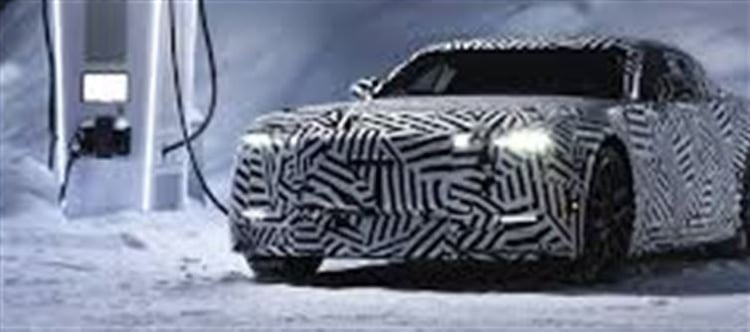

Jaguar has begun intensive winter testing of its upcoming all‑electric four‑door GT prototype, putting the vehicle through some of the harshest conditions on Earth in the Arctic Circle. This testing phase is a key part of finalising the car ahead of its global debut later in 2026.
What Is Being Tested and Why It Matters
The prototype — based on the previously unveiled Type 00 concept — is part of Jaguar’s most rigorous development programme in history, with around 150 prototypes traversing extreme environments, from hot desert highways to freezing lakes in northern Sweden.
Winter testing in the Arctic Circle, where temperatures can drop to −40 °C, serves several important purposes:
Calibrating drivetrain performance: Engineers tune the tri‑motor all‑wheel‑drive system, which is expected to produce over 1,000 PS (approximately 986+ hp), for confident traction and power delivery on ice.
Chassis and handling refinement: frozen lakes and snow are used to refine systems like all‑wheel steering, dynamic air suspension, active twin‑valve dampers, and torque vectoring for balanced ride comfort and control.
Thermal management testing: Jaguar’s ThermAssist thermal system is evaluated to ensure efficient battery and cabin heating in freezing conditions, helping to preserve driving range.
Such extreme cold testing isn’t just for bragging rights; it helps engineers validate reliability under conditions few drivers ever encounter, ensuring safety, performance, and comfort in everyday use.
Why the GT Prototype Is “Controversial”
The upcoming Jaguar GT has sparked debate among automotive enthusiasts and industry observers due to its radical design departure and market positioning:
Design shift from classic Jaguar aesthetics: The original Type 00 concept drew mixed reactions, with some fans questioning whether the bold styling still represented the Jaguar identity.
Electric grand tourer segment challenges: Critics point out that luxury EV sedans have struggled commercially in some markets, with models like the porsche Taycan and Lucid air seeing modest sales, raising questions about Jaguar’s strategy with a high‑performance electric GT. (Community reactions from enthusiasts reflect these doubts.)
Still, Jaguar leadership maintains that the GT will combine luxury, comfort, and thrilling performance — “comfortable when you wish, engaging when you demand it” — a philosophy carried forward even as the brand transitions fully to electric power.
What the Arctic Tests Reveal
The winter testing in Sweden’s Arjeplog region places the vehicle on frozen lakes and snow‑covered terrain, deliberately challenging its control systems:
Grip‑limited surfaces help fine‑tune torque vectoring and suspension reaction for confident handling.
Thermal challenges test real‑world usability: Cold‑weather tests are critical for electric GTs, where battery performance and cabin heat demand can significantly impact range and comfort.
Icy conditions expose latent issues that might not emerge in temperate‑climate testing.
This rigorous programme complements Jaguar’s broader validation strategy that includes hot‑weather, virtual simulation, and public road testing phases.
What’s Next for the Jaguar GT
After Arctic testing, Jaguar is expected to continue refining the GT’s systems before its official unveiling later in 2026, with production planned to begin soon after. The vehicle is anticipated to carry forward much of the dramatic design language of the Type 00 concept while offering cutting‑edge electric performance.
Although pricing and exact market details are still unconfirmed, the GT is expected to sit at the top end of Jaguar’s lineup, targeting buyers looking for a luxurious electric grand tourer with extreme performance and everyday usability.
In Summary
Jaguar’s Arctic Circle winter testing marks a significant milestone in preparing its next flagship electric GT for launch. By pushing prototypes through extreme cold and low‑grip conditions, the company aims to ensure exceptional performance, reliability, and refinement. While the car has been controversial for its design and market direction, this rigorous testing underscores Jaguar’s commitment to engineering excellence as it transitions into the era of high‑performance electric vehicles.
Disclaimer:
The views and opinions expressed in this article are those of the author and do not necessarily reflect the official policy or position of any agency, organization, employer, or company. All information provided is for general informational purposes only. While every effort has been made to ensure accuracy, we make no representations or warranties of any kind, express or implied, about the completeness, reliability, or suitability of the information contained herein. Readers are advised to verify facts and seek professional advice where necessary. Any reliance placed on such information is strictly at the reader’s own risk.
 click and follow Indiaherald WhatsApp channel