


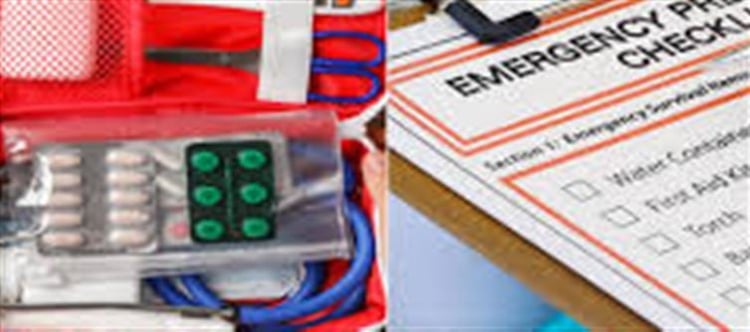

Having a well-stocked first aid kit in your home is essential for handling minor injuries, sudden medical issues, or even more serious emergencies. Whether you're a parent, a caregiver, or simply looking to be prepared, this complete checklist will help you equip your first aid kit with everything you need.
1. 🩹 Bandages and Dressings: For Cuts, Scrapes, and Small Wounds
Adhesive Bandages (various sizes): For small cuts, abrasions, and blisters.
Sterile Gauze Pads: To cover larger wounds and absorb fluids.
Adhesive Tape: To secure gauze pads and dressings.
Antiseptic Wipes: To clean wounds and prevent infection.
Sterile Non-stick Pads: For use on larger cuts or surgical wounds to avoid sticking to the injury.
Pro Tip: Keep both fabric and plastic bandages for flexibility. Fabric ones are better for joints, while plastic ones are ideal for covering smaller cuts.
2. 💊 Medications: For Pain, Inflammation, and Common Illnesses
Pain Relievers:
Ibuprofen (Advil, Motrin): To relieve pain and reduce inflammation.
Acetaminophen (Tylenol): For pain relief (especially for people who can't take ibuprofen).
Antihistamines: To treat allergic reactions like rashes, itching, or mild allergies.
Example: Diphenhydramine (Benadryl).
Aspirin: To reduce pain, fever, and inflammation. It’s especially useful for chest pain (suspected heart attacks), but don’t give to children.
Antacids: For indigestion or heartburn relief.
Cough and Cold Medicine: For symptoms like sore throat or cough.
Pro Tip: Always check expiration dates on medications, and replace them as needed.
3. 🚑 Wound Care: For Minor to Moderate Injuries
Hydrocortisone Cream: To reduce skin irritation, itching, or rashes.
Antibiotic Ointment: Like Neosporin to prevent infection in small cuts and scrapes.
Burn Cream or aloe vera Gel: For soothing minor burns or sunburn.
Alcohol Pads: For cleaning wounds and disinfecting tools.
Pro Tip: For larger or deep wounds, seek professional medical treatment immediately.
4. 🩸 Tools for Emergencies and First Aid Procedures
Tweezers: For removing splinters, glass shards, or insect stingers.
Scissors: To cut bandages, gauze, or tape.
Thermometer: To monitor body temperature and detect fevers.
Instant Cold Pack: For reducing swelling or bruising.
Elastic Bandage (like ACE bandage): For sprains, strains, or wrapping injuries.
Burn Dressing: Specifically for burns to reduce pain and promote healing.
Pro Tip: A digital thermometer is easier to use and often more accurate than a traditional mercury thermometer.
5. 💉 Basic Medical Supplies for More Serious Injuries
Gloves: Disposable latex or nitrile gloves to prevent cross-contamination while treating wounds.
CPR Mask: For performing CPR safely in case of a cardiac emergency.
First Aid Manual or Instructions: A guide to help you navigate common injuries and emergencies.
Eye Wash or Saline Solution: For cleaning eyes in case of irritation or injury.
Splints: For immobilizing broken bones until professional help arrives.
Pro Tip: Familiarize yourself with the CPR steps and other basic first aid techniques. You may want to take a first aid and CPR course to be better prepared.
6. 🧴 Personal Care Items: For Hygiene and Comfort
Hand Sanitizer: To keep hands clean when soap and water aren’t available.
Cotton Balls and Swabs: For cleaning wounds, applying ointments, or removing makeup.
Thermal Blanket: A compact, life-saving item in case of hypothermia or shock.
Tissues and Wet Wipes: For general cleaning and wiping.
Pro Tip: Keeping personal medications (like asthma inhalers or epinephrine pens) in your first aid kit is essential for specific health conditions.
7. 🧷 Miscellaneous First Aid Essentials
Pill Organizer: To keep track of any regular medications or supplements.
Moleskin Pads: For blister treatment, especially if you’re on the go.
Elastic Bandage for Sprains: Helps provide compression and support for sprained limbs.
Alcohol Pads or Antiseptic Swabs: For cleaning wounds or surfaces before applying bandages or dressings.
Pro Tip: Consider vacuum-sealing extra bandages or gauze pads to keep them sterile in your first aid kit.
8. 📝 Important Information to Include in Your Kit
List of Emergency Numbers: Make sure to have a list of local emergency contacts, doctors, or family members.
Personal Medical Information: Include any important medical details such as allergies, ongoing health conditions, or current medications.
Insurance Information: Include a copy of health insurance details for quick access in emergencies.
Medical Consent Forms: If you have children, include consent forms for medical treatment in case of emergencies.
Pro Tip: Keep this information updated and easily accessible within the first aid kit.
9. 🆘 When to Seek Professional Help
While having a first aid kit is crucial, it’s important to know when to seek professional medical help:
Severe Bleeding: If bleeding doesn’t stop after applying pressure.
Broken Bones: If you suspect a fracture, especially if the bone is protruding or if there's extreme pain.
Severe Allergic Reactions: If someone is having difficulty breathing or showing signs of anaphylaxis.
Loss of Consciousness: If someone faints and doesn’t regain consciousness promptly.
Pro Tip: If in doubt, always call emergency services. It’s better to be safe than sorry.
10. 🛒 Where to Buy and How to Store Your First Aid Kit
You can buy ready-made first aid kits from most pharmacies, medical supply stores, or online retailers. However, building your own kit allows you to customize it to your needs.
Storage Tips: Keep your first aid kit in a cool, dry place that is easily accessible in an emergency.
Regular Check-Ups: Periodically check the contents to ensure that everything is stocked and not expired.
Pro Tip: Invest in a durable, waterproof bag or container to store all your first aid supplies.
🌟 Final Thoughts: Be Prepared, Stay Safe
A well-stocked first aid kit is an essential part of every household, ensuring that you can handle minor injuries, illnesses, or emergencies with confidence. By keeping these items on hand, you’re ready to act quickly and effectively until help arrives.
Disclaimer:
The views and opinions expressed in this article are those of the author and do not necessarily reflect the official policy or position of any agency, organization, employer, or company. All information provided is for general informational purposes only. While every effort has been made to ensure accuracy, we make no representations or warranties of any kind, express or implied, about the completeness, reliability, or suitability of the information contained herein. Readers are advised to verify facts and seek professional advice where necessary. Any reliance placed on such information is strictly at the reader’s own risk.
 click and follow Indiaherald WhatsApp channel