


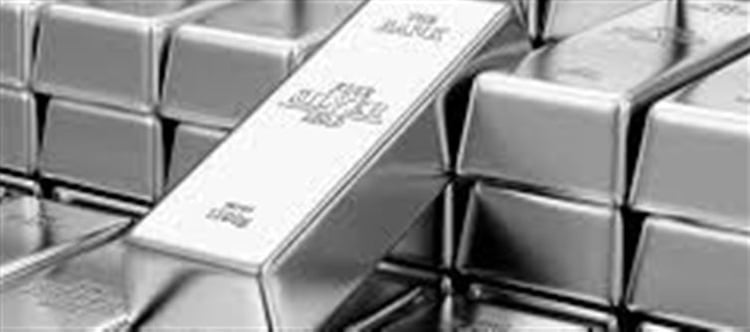

Silver has always been a popular form of investment in india due to its tangible value, cultural significance, and hedge against inflation. Many people buy silver in the form of coins, bars, jewelry, or artifacts. However, owning silver also comes with certain legal and tax considerations, especially if you keep large quantities at home.
📌 How Much silver Can You Keep at Home?
There is no specific legal limit on the amount of silver an individual can keep at home for personal use or investment. However, the following points are important:
Personal vs Commercial Holding:
Silver kept for personal use or gifting is generally not restricted.
Silver held for trading or business purposes may attract scrutiny under tax laws.
Wealth Considerations:
During income tax assessments, the Income Tax Department may ask for details of high-value silver holdings to assess wealth tax liability or undisclosed income (though wealth tax itself was abolished in india in 2015).
Practical Advice:
Keep records of purchases, bills, and receipts to prove ownership.
Avoid keeping excessive amounts without documentation, as this could raise questions during audits or inquiries.
💰 Tax Implications on silver Investment
1. Goods and services Tax (GST)
- Silver jewelry and coins: 3% GST applies on investment-grade silver (coins/bars).
- Silver utensils or artifacts: GST varies depending on the item (generally 3–5%).
2. Income Tax on Sale of Silver
- Capital Gains Tax: If you sell silver at a profit, it may attract capital gains tax depending on the holding period:
- Short-term: Held for less than 3 years; gains added to income and taxed as per slab.
- Long-term: Held for more than 3 years; gains taxed at 20% with indexation benefits.
- Exemption Limits: Gifts of silver under ₹50,000 in a year are exempt from tax under certain conditions.
3. Other Considerations
- Reporting Requirements: High-value silver may need to be disclosed in ITR forms under assets or investments.
- Loan Against Silver: Banks provide loans against silver, which can be a way to leverage investment without selling.
💡 Tips for Safe silver Investment
Keep Receipts: Maintain proper bills for all silver purchases to avoid legal complications.
Avoid Hoarding Excess: While there’s no legal limit, keeping reasonable quantities for personal use is safer.
Choose Investment Forms Wisely: Coins, bars, or ETFs may have better liquidity than jewelry.
Periodic Valuation: Track market prices to decide the right time to sell or buy.
🌟 Final Thoughts
Silver is a secure and tangible investment, but investors must be aware of tax rules, documentation, and market risks. You can keep reasonable amounts at home, but always maintain records to prove ownership and comply with income tax norms.
Disclaimer:
The views and opinions expressed in this article are those of the author and do not necessarily reflect the official policy or position of any agency, organization, employer, or company. All information provided is for general informational purposes only. While every effort has been made to ensure accuracy, we make no representations or warranties of any kind, express or implied, about the completeness, reliability, or suitability of the information contained herein. Readers are advised to verify facts and seek professional advice where necessary. Any reliance placed on such information is strictly at the reader’s own risk.
 click and follow Indiaherald WhatsApp channel