


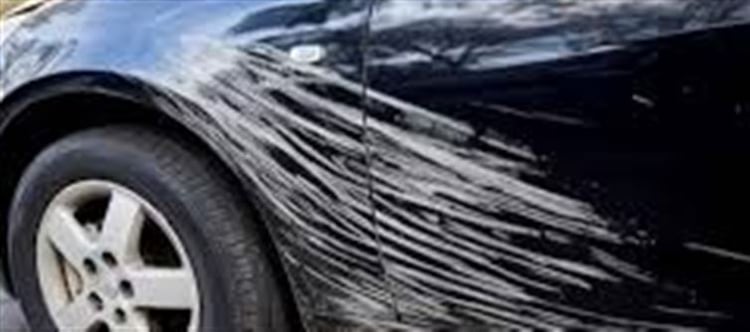

Minor dents and scratches are common issues for car owners. While professional repair shops can fix them, there are several easy, cost-effective methods you can try at home to restore your car’s appearance.
1. Use Hot Water for Small Plastic Bumper Dents
For small dents on plastic bumpers:
- Pour hot water over the dented area to make the plastic more flexible.
- Push the dent out gently from behind using your hands.
- Pour cold water to set the plastic in its original shape.
This method works best for minor, shallow dents and is safe for plastic surfaces.
2. Try a Plunger for Slight Indentations
A common household plunger can help remove small dents:
- Moisten the dent and the plunger rim to create suction.
- Push and pull the plunger until the dent pops out.
Tip: This works best for medium-sized dents on flat surfaces, not deep or sharp dents.
3. Apply Toothpaste for Light Scratches
Toothpaste can act as a mild abrasive:
- Clean the scratched area with water and soap.
- Apply a small amount of toothpaste on a soft cloth.
- Rub the scratch in circular motions for a few minutes.
- Wipe off and polish the area.
This method is ideal for surface-level scratches, not deep gouges.
4. Use Baking Soda and Water Paste
Baking soda can also remove minor scratches:
- Mix baking soda with water to form a thick paste.
- Apply the paste to the scratch using a microfiber cloth.
- Rub gently in circular motions and clean off the residue.
This is a safe and chemical-free option for light scratches on car paint.
5. Try a Hair Dryer and Compressed air for Small Dents
For small dents on metal surfaces:
- Heat the dented area with a hair dryer for 30–60 seconds.
- Immediately spray compressed air (upside down) to cool the area quickly.
- The rapid temperature change can make the dent pop out.
This technique works best for shallow dents on metal panels.
Final Tips
- Always clean the area before attempting any DIY fix.
- Test the method on a small hidden area first to avoid damaging the paint.
- For deep scratches or large dents, it’s safer to visit a professional to prevent further damage.
Disclaimer:
The views and opinions expressed in this article are those of the author and do not necessarily reflect the official policy or position of any agency, organization, employer, or company. All information provided is for general informational purposes only. While every effort has been made to ensure accuracy, we make no representations or warranties of any kind, express or implied, about the completeness, reliability, or suitability of the information contained herein. Readers are advised to verify facts and seek professional advice where necessary. Any reliance placed on such information is strictly at the reader’s own risk.
 click and follow Indiaherald WhatsApp channel