



The Wealth Lesson Hidden Behind a ₹3 Lakh Salary
At first glance, the numbers seem surprising.
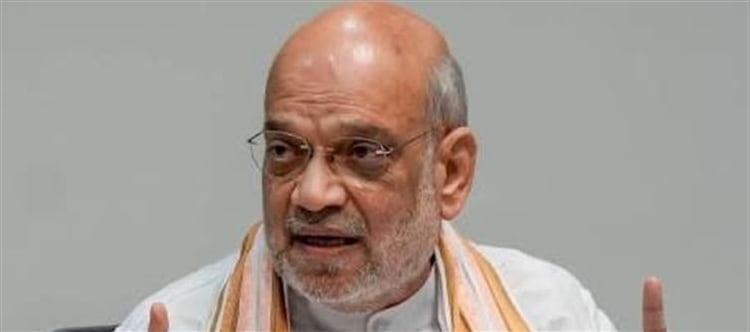
India’s home minister Amit Shah reportedly earns a net salary of around ₹3 lakh per month as a Union minister. That’s a respectable income — but hardly the kind of figure people associate with multi-crore wealth.
Yet publicly available disclosures tell a different story.
According to his 2024 lok sabha election affidavit, Shah holds shares in roughly 180 companies, with the total value of his portfolio now estimated to be around ₹16–20 crore based on recent market prices in early 2026.
And within that portfolio are stakes in some of India’s most recognizable companies.
A snapshot of major holdings
Among the larger investments listed are:
• MRF — ₹1.56 crore
• Hindustan Unilever — ₹1.61 crore
• Colgate‑Palmolive (India) — ₹91.5 lakh
• Procter & Gamble Hygiene and health Care — ₹82.5 lakh
• ITC Limited — ₹61.7 lakh
• ABB india — ₹56.9 lakh
• Cummins india — ₹55.7 lakh
• Infosys — ₹42.8 lakh
• Larsen & Toubro — ₹24.9 lakh
• Vedanta Limited — ₹27.6 lakh
In total, analysts estimate the portfolio at around ₹11–12 crore in listed equities alone, with the broader holdings taking the number even higher.
The dividend income factor
Based on current dividend yields (as of march 2026), such a portfolio could generate roughly ₹17 lakh annually in dividends.
Key contributors include stocks like ITC, Infosys, and consumer giants like Colgate, HUL, and P&G.
The bigger financial takeaway
The lesson here isn’t just about a politician’s investments. It highlights a broader truth about personal finance.
Salary helps you live. Assets help you build wealth.
While income covers day-to-day expenses, long-term wealth often grows through investments — whether in stocks, businesses, or other appreciating assets.
And that distinction is what ultimately separates earning money from building lasting wealth. 💰📈
 click and follow Indiaherald WhatsApp channel