


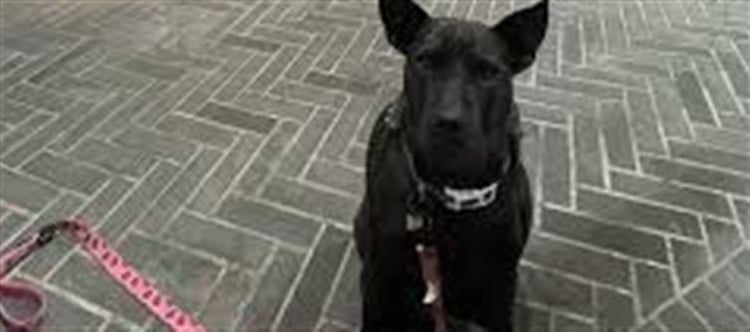

In an astonishing and heartwarming development, AI—through the use of ChatGPT and other machine learning technologies—has reportedly made significant strides in the medical field, contributing to a breakthrough that helped save a dog diagnosed with cancer. The use of artificial intelligence (AI) in diagnosing and treating diseases has been on the rise, and this story stands as a testament to the potential of AI in medicine. The incident even caught the attention of Sam Altman, CEO of OpenAI, who was reportedly impressed by this milestone.
The Discovery: How AI Helped Diagnose and Treat the Dog’s Cancer
AI has been revolutionizing various industries, from finance to transportation, but its impact on healthcare, especially veterinary care, is now becoming increasingly apparent. In this case, a dog diagnosed with a rare form of cancer was given a chance at life through AI-assisted treatment.
AI algorithms, specifically those powered by deep learning and pattern recognition, were used to analyze the dog's medical data, which included images of the tumor, blood test results, and genetic markers. Traditional methods had struggled to pinpoint the best course of treatment due to the rarity of the dog’s cancer. However, an AI-powered system was able to sift through a vast amount of medical research and clinical trial data, identifying potential therapies that had previously been overlooked.
The AI system did not replace veterinarians or doctors but worked alongside them, offering a data-driven, highly accurate approach to diagnosis and treatment selection.
How ChatGPT Was Involved: Processing Information Efficiently
One of the key components of this breakthrough was the use of ChatGPT—OpenAI’s conversational AI model. ChatGPT played a crucial role in analyzing unstructured medical data, helping to interpret complex information like genetic sequences and histopathology reports. With its natural language processing (NLP) capabilities, ChatGPT could read and understand large amounts of medical literature and provide suggestions based on evidence from a vast array of global sources.
The dog’s owners and veterinary team were able to use ChatGPT to ask questions related to treatment protocols, side effects, and potential outcomes. ChatGPT, equipped with a knowledge base from medical research, offered insights and connected the veterinary team to relevant studies, trial results, and emerging treatments.
AI’s Role in Accelerating Personalized Medicine
Personalized medicine is the future of healthcare, and AI is leading the way. The treatment selected for the dog was tailored to the specific genetic markers of its cancer, thanks to AI’s ability to analyze vast amounts of genetic and molecular data. By doing so, the treatment plan was more effective and had a higher success rate than a generalized treatment approach. This was a game-changer for the dog, as it provided an approach that had not been available with traditional methods.
This development is particularly exciting because it demonstrates the evolution of AI from simply assisting with basic tasks to playing an essential role in life-saving medical decisions. The role AI played in this case could pave the way for future treatments, not just for pets, but also for humans suffering from rare diseases or complex conditions.
Sam Altman’s Reaction: Why It Impressed Him
Sam Altman, CEO of OpenAI, is widely known for his visionary thinking about the future of AI. His attention was captured by this story because it exemplified AI’s real-world application in saving lives—a far cry from speculative discussions about AI's potential. For Altman, the ability of AI to drive tangible results in medical fields reflects the true power of the technology beyond just language processing or automation.
Altman expressed his astonishment at the potential impact AI could have, not just in human healthcare, but also in veterinary care. This breakthrough reinforced his belief that AI has the power to reshape industries, offering transformative solutions to longstanding challenges in fields like medicine, education, and personalized care.
The Bigger Picture: AI in Veterinary Medicine
While this story is about a dog, it’s indicative of a broader shift in the veterinary industry. Just as AI is being used to aid human medicine, veterinary care is increasingly benefitting from the same advancements. AI’s ability to process data quickly, predict outcomes, and analyze medical imagery can significantly improve diagnosis and treatment for animals, especially for rare conditions that veterinarians might not have encountered before.
Moreover, AI tools like ChatGPT are making it easier for veterinary professionals to stay updated on the latest research, share knowledge across platforms, and collaborate globally to find better treatment options for pets. As AI continues to evolve, it could become the standard in diagnosing and treating animals, much like it is expected to be in human healthcare.
AI and the Future of Healthcare
This story represents just the beginning of a new era in medicine, where artificial intelligence works hand-in-hand with healthcare professionals to solve complex medical problems. Whether it’s cancer treatments, rare diseases, or personalized therapies, AI can make sense of complex data faster and more accurately than human experts alone.
AI’s impact is likely to expand even further, leading to more advanced treatments, faster recovery times, and improved patient outcomes. For pet owners, this could mean better care for their animals, more accurate diagnoses, and personalized treatments that were once out of reach.
Conclusion: A Milestone in AI’s Medical Journey
From ChatGPT’s involvement in analyzing medical data to AI-assisted cancer treatments, this remarkable achievement underscores the transformative potential of artificial intelligence in healthcare. Not only did this breakthrough impress Sam Altman, but it also highlights AI's role in saving lives, whether for humans or pets.
Disclaimer:
The views and opinions expressed in this article are those of the author and do not necessarily reflect the official policy or position of any agency, organization, employer, or company. All information provided is for general informational purposes only. While every effort has been made to ensure accuracy, we make no representations or warranties of any kind, express or implied, about the completeness, reliability, or suitability of the information contained herein. Readers are advised to verify facts and seek professional advice where necessary. Any reliance placed on such information is strictly at the reader’s own risk.
 click and follow Indiaherald WhatsApp channel