



⚡ The Math Behind the Headlines
Start with the denominator — the total number of registered voters. Following the Special Intensive Revision (SIR), nearly 70 lakh names have been removed from the electoral rolls. That’s not a small adjustment; it fundamentally changes how turnout percentages are calculated.
Fewer voters on paper means higher percentages — even if the actual increase in voters is modest.
Now look at the raw numbers.
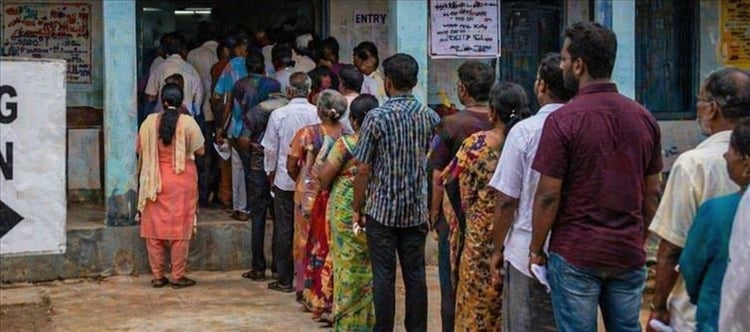
In the previous election, despite the challenges of the Covid pandemic, tamil Nadu saw around 4.62 crore votes cast. This time, that number has risen to roughly 4.85 crore.
At first glance, that sounds impressive.
But in reality, it’s an increase of about 23 lakh votes — roughly a 5% rise.
⚡ The Hype vs The Reality
Given the massive buzz — from heightened political campaigns to the much-discussed entry of Vijay into the political space — expectations were far higher.
Many assumed this would trigger an extraordinary spike in voter turnout.
But the data suggests otherwise.
A 5% increase is not unusual. In fact, it’s well within the range of what typically happens due to routine factors like population growth, new voters entering the system, and improved accessibility.
⚡ What This Actually Means
This doesn’t point to a dramatic shift. It doesn’t confirm a wave. And it certainly doesn’t validate the level of hype surrounding the election.
What it does show is something far simpler:
The turnout has grown — but not in a way that breaks patterns.
⚡ The Bottom Line
When the voter base shrinks, and the vote count rises slightly, percentages can look inflated.
But numbers without context can mislead.
Because sometimes, what looks like a massive political moment…
…is just a modest increase wrapped in big expectations.
 click and follow Indiaherald WhatsApp channel