



Story: A Finale Built on Pain, Politics, and Identity
After an uneven first season that struggled to balance nostalgia with reinvention, Daredevil: Born Again delivers a Season 2 finale that feels ripped straight out of the dna of the original Netflix era — only bigger, darker, and far more consequential for the MCU at large. The finale doesn’t simply aim to end a season; it detonates the emotional and ideological war between Matt Murdock and Wilson Fisk in spectacular fashion.
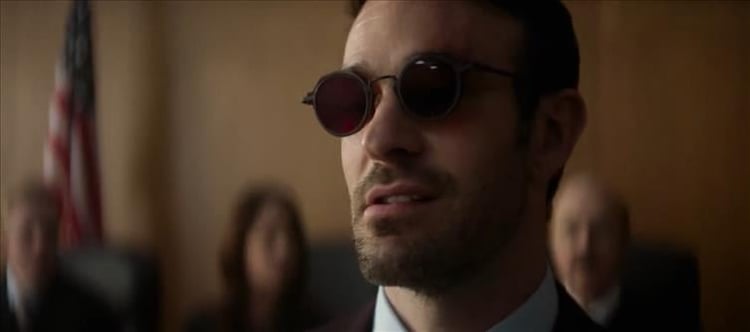
What makes the episode so gripping is how deeply personal every conflict becomes. Matt isn’t merely fighting Kingpin physically anymore. He’s fighting the corruption of institutions, the manipulation of public fear, and the growing realization that secrecy itself may no longer protect the people he loves. The courtroom sequence where Matt publicly reveals himself as Daredevil is easily one of the boldest creative swings Marvel television has taken in years. It’s not treated like a cheap cliffhanger or applause moment. Instead, the scene carries genuine thematic weight. Matt weaponizes truth itself against Fisk, choosing exposure over fear in a move that fundamentally reshapes his identity forever.
The finale’s second half escalates into outright urban chaos as City Hall becomes the battleground for a violent uprising against Fisk’s regime. Yet despite the large-scale destruction and bloodshed, the episode never loses sight of its central philosophy: the thin line between justice and vengeance. Even after Fisk descends fully into monstrous brutality, Matt still refuses to surrender to mob violence. That moral restraint is what ultimately separates Daredevil from every other vigilante around him.
What truly elevates the writing is how the episode balances payoff with future setup. Heather Glenn’s disturbing transformation, Bullseye’s mysterious alliance, Fisk’s exile, and Luke Cage’s long-awaited return all feel organically woven into the story rather than existing as hollow MCU teases.
Performances: charlie Cox and Vincent D’Onofrio Deliver Career-Best Work
charlie Cox once again proves why he remains one of Marvel’s most irreplaceable casting decisions. His performance in the finale is extraordinary because of how restrained it is. Matt Murdock isn’t portrayed as a fearless superhero charging toward victory. He looks exhausted, emotionally battered, and spiritually broken — yet still incapable of giving up. Cox brilliantly captures that quiet suffering beneath every line delivery and every movement.
The courtroom reveal scene is especially remarkable because Cox plays it not with swagger, but with acceptance. Matt, revealing himself, feels less like triumph and more like surrendering the final piece of himself for the greater good.
Opposite him, Vincent D'Onofrio delivers arguably his most terrifying performance as Wilson Fisk yet. The finale strips away whatever political facade Fisk still possessed and exposes the primal rage underneath. D’Onofrio’s physicality during the City Hall massacre is horrifyingly effective. He doesn’t feel like a comic-book villain anymore — he feels like a collapsing authoritarian leader desperately trying to maintain control through brute force.
Krysten Ritter slips back into Jessica Jones effortlessly, bringing sarcasm, grit, and emotional grounding to the chaos around her. Meanwhile, Deborah Ann Woll gives Karen Page a much-needed resurgence, finally restoring the emotional depth the character had been missing.
The surprise return of Mike Colter as Luke Cage lands perfectly because the show understands restraint. His cameo doesn’t overpower the finale — it expands the emotional scope of the universe.
Technicalities: Raw, Violent, and Cinematically Confident
Technically, this may be the strongest episode Marvel television has produced in years. The direction embraces grounded brutality instead of CGI excess. Fight choreography feels desperate and painful rather than overly stylized, echoing the tactile realism that made the original Daredevil series iconic.
The cinematography leans heavily into cold urban textures, with harsh lighting and claustrophobic framing reinforcing the sense that New York itself is collapsing under Fisk’s rule. The City Hall sequences are staged with remarkable tension, often feeling more like a political thriller than a superhero spectacle.
The score also deserves immense praise. Rather than drowning scenes in triumphant superhero music, the soundtrack emphasizes dread, grief, and inevitability. Silence is used incredibly well throughout the finale, particularly during Matt’s identity reveal and Fisk’s final confrontation with the mob.
Editing remains sharp despite the episode juggling multiple storylines. Even the transitions between courtroom drama, political chaos, and emotional character moments feel surprisingly seamless.
Analysis: Why This Finale Works So Well
The brilliance of this finale lies in its refusal to simplify morality. Fisk may be a monster, but the mob that rises against him is equally frightening in its bloodlust. Matt’s greatest victory isn’t defeating Fisk physically — it’s preserving his humanity when everyone around him is consumed by rage.
The reveal of Matt’s identity also redefines his role within the MCU. Unlike Peter Parker’s accidental exposure, Matt’s confession is deliberate. It transforms Daredevil from a masked urban myth into a political symbol. That shift opens fascinating possibilities for future MCU storytelling surrounding vigilantism, accountability, and public perception.
The finale also understands something many modern Marvel projects forget: consequences matter. Characters die. Relationships fracture. Trauma leaves scars. Every victory here comes at a devastating personal cost.
Most importantly, the episode earns its emotional payoffs through long-term character development instead of relying purely on cameos or nostalgia.
What Works
• charlie Cox’s emotionally devastating performance
• Vincent D’Onofrio’s terrifying portrayal of Fisk
• Matt Murdock’s public identity reveal
• Brutal and grounded action choreography
• Excellent courtroom drama tension
• The morally complex City Hall climax
• Jessica Jones and Luke Cage's integration feels organic
• Darker tone that fully embraces Netflix-era storytelling
• Strong thematic exploration of justice vs vengeance
• High emotional stakes with lasting consequences
What Doesn’t
• Some supporting characters still feel underdeveloped
• The finale occasionally juggles too many subplots at once
• Certain political parallels may feel heavy-handed for some viewers
• Bullseye’s future setup feels slightly rushed
• A few MCU connections still feel intentionally vague
Bottom Line
Daredevil: Born Again Season 2 ends with a finale that is emotionally crushing, politically charged, and unapologetically brutal. More importantly, it finally understands that Daredevil works best not as a larger-than-life superhero fantasy, but as a tragic story about morality, trauma, and sacrifice. By combining grounded storytelling with genuinely seismic consequences, the series delivers one of the strongest finales Marvel television has produced in the Disney era.
If Season 1 asked fans for patience, Season 2 rewards that patience spectacularly.
 click and follow Indiaherald WhatsApp channel