


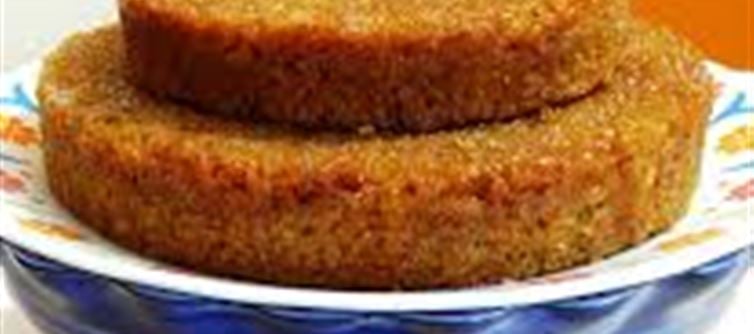

Ingredients:
For the Cake:
· 1 large cucumber (grated)
· 1 cup rice flour (or sago flour for a more traditional texture)
· 1/2 cup semolina (rava/suji)
· 1/4 cup finely chopped onions
· 1-2 green chilies, finely chopped (optional, for spice)
· 1/4 cup fresh coriander leaves, chopped
· 1 tsp cumin seeds
· 1/2 tsp mustard seeds
· 1/4 tsp turmeric powder
· 1/2 tsp red chili powder (optional)
· 1 tsp ginger-garlic paste
· 1 tbsp sugar (optional, adds a hint of sweetness)
· 1/4 tsp asafoetida (hing) (optional, gives a nice aroma)
· Salt, to taste
· 1/4 tsp baking soda (helps the cake rise)
· 1 tbsp oil (for greasing and sautéing)
· 1/2 cup water (adjust as needed)
For Tempering (Tadka):
· 1 tbsp oil
· 1/2 tsp mustard seeds
· 1/4 tsp cumin seeds
· 1-2 dried red chilies (optional)
· 1/4 tsp hing (asafoetida)
Instructions:
1. Prepare the Cucumber:
· Grate the cucumber and squeeze out excess water using a clean cloth or your hands. Reserve the cucumber juice as it will add flavor to the batter.
· You can also leave a little moisture in the grated cucumber, which helps keep the cake soft, but make sure it's not too watery.
2. Mix the Ingredients:
· In a large bowl, combine the grated cucumber, rice flour, semolina, onions, green chilies, and coriander leaves. Stir in the cumin seeds, mustard seeds, turmeric powder, red chili powder, ginger-garlic paste, sugar, asafoetida, and salt.
· Add the baking soda and mix well.
· Gradually add water (start with 1/4 cup) and mix to form a thick, smooth batter. The batter should be thick, like a idli or cake batter, but not too runny. Adjust the water as needed.
3. Prepare the Steamer:
· Grease a steaming pan or round cake pan with a little oil.
· Prepare a steamer or a large pot with water at the bottom, and bring it to a boil. You can also place a small stand or inverted bowl in the bottom of the pot to elevate the cake pan, so the batter doesn’t touch the water directly.
4. Steam the Cake:
· Pour the prepared batter into the greased pan, spreading it evenly.
· Cover the steamer and steam the batter for 25-30 minutes on medium heat. You can check the doneness by inserting a toothpick; it should come out clean when the cake is done.
· If the cake is not set, steam for an additional 10 minutes.
5. Prepare the Tadka (Tempering):
· In a small pan, heat 1 tbsp oil and add mustard seeds. Once they start to splutter, add cumin seeds, dried red chilies, and asafoetida. Let the spices splutter for a few seconds, then turn off the heat.
· Pour the tempering over the steamed cake for added flavor and aroma.
6. Cool and Serve:
· Allow the cucumber cake (dhondas) to cool slightly before cutting it into squares or wedges.
· Serve it warm with green chutney or yogurt for an extra refreshing touch.
Tips & Tricks:
1. Flavor Variations:
o You can add grated coconut or finely chopped vegetables like carrots or bell peppers to the batter for extra texture and flavor.
o Some recipes also call for adding curry leaves to the tempering for added fragrance.
2. Texture:
o The use of rice flour gives the cake a unique soft texture, while semolina (rava) adds a slight graininess. If you prefer a smoother texture, you can use just rice flour.
3. Spices:
o Adjust the green chilies and red chili powder based on your spice tolerance. You can even skip them if you prefer a mild cake.
4. Serving Ideas:
o Dhondas or Tavsali can be enjoyed as a snack, breakfast, or as a light side dish with a main meal. It pairs perfectly with coconut chutney, yogurt, or a simple green chutney.
Storage:
· Refrigeration: Leftover cucumber cake can be stored in an airtight container in the refrigerator for up to 2-3 days. To reheat, just steam or microwave it.
· Freezing: You can freeze slices of the cake for up to 1 month. Steam them after thawing for the best texture.
Disclaimer:
The views and opinions expressed in this article are those of the author and do not necessarily reflect the official policy or position of any agency, organization, employer, or company. All information provided is for general informational purposes only. While every effort has been made to ensure accuracy, we make no representations or warranties of any kind, express or implied, about the completeness, reliability, or suitability of the information contained herein. Readers are advised to verify facts and seek professional advice where necessary. Any reliance placed on such information is strictly at the reader’s own risk.
 click and follow Indiaherald WhatsApp channel