


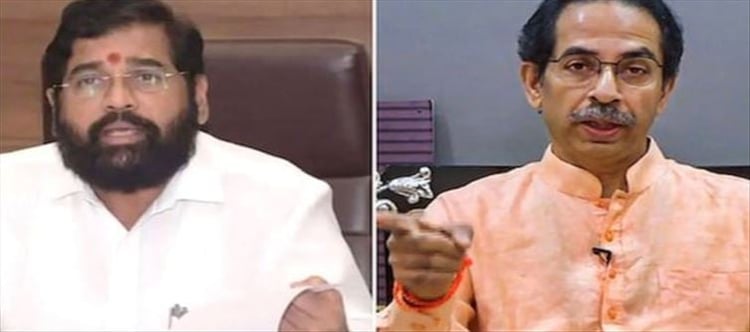

A maharashtra court has acquitted former ncp leader Padamsinh Patil and all co-accused in the murder case of ex-MLA Pawanraje Nimbalkar, ending a trial that stretched across roughly two decades. The acquittal, reportedly on grounds of insufficient evidence, spotlights the systemic gap between high-profile political murder charges and the ability of indian courts to secure convictions when investigations falter.
Disclaimer: The court has conclusively acquitted all accused in this case. The analysis below addresses systemic patterns in India's criminal justice system and is not a comment on the guilt or innocence of the acquitted individuals.
Here is a pattern that should unsettle anyone who studies political violence in India: after approximately two decades of hearings, witness depositions, and appeals, every single accused in the Pawanraje Nimbalkar murder case — including the man widely regarded as the most prominent among them — has walked free. Not on a technicality. On merit, the court ruled the prosecution simply did not prove its case.
The man at the centre of that acquittal, former ncp leader and ex-MP Dr. Padamsinh Patil, has maintained his innocence throughout. His son Ranajagjitsinha Patil, reacting to the verdict, said the family felt vindicated: \"न्यायदेवतेने आम्हाला न्याय दिला\" — \"The goddess of justice has given us justice,\" according to his public statements carried by Marathi media.
The ncp, for its part, had signalled support. According to reports in Marathi and national media outlets at the time, the party stated during the trial's long arc that it would provide legal and constitutional aid to Patil — a pledge that underlined both the political stakes and the institutional loyalty at play.
The murder That Defined Dharashiv Politics
To understand the weight of this acquittal, you must understand what the Nimbalkar killing did to the political geography of the Osmanabad–Dharashiv belt. Pawanraje Nimbalkar was a former mla — and a rival of Padamsinh Patil in the region's bitterly factional politics. When he was killed, suspicion turned immediately towards the Patil camp. The subsequent arrest and prosecution of Padamsinh Patil, then a sitting parliamentarian, sent a tremor through Maharashtra's power corridors.
Patil was jailed. He fought for bail. His political fortunes cratered. And yet, the ncp — or at least its leadership — never entirely cut the cord. According to media reports from the period, ajit pawar himself visited Patil during the proceedings, a gesture freighted with political calculus.
What the Prosecution Could Not Prove
The acquittal, according to reports, rested on a familiar but devastating conclusion: the prosecution failed to furnish evidence beyond reasonable doubt. This is not unusual in India's landscape of political crime cases. Legal analysts and organisations such as the Association for Democratic Reforms (ADR) have noted historically low conviction rates in cases involving politicians charged with serious violent crimes — a systemic pattern attributed to witnesses turning hostile, investigations suffering alleged political interference, and the sheer passage of time eroding the evidentiary chain.
None of this is a reflection on any individual acquittal. The presumption of innocence is not a loophole; it is the spine of criminal law. The court has conclusively decided this case, and that verdict stands. But the broader pattern — charge, spectacle, decades of trial, acquittal — raises a systemic question the judiciary itself has flagged in other contexts: is the investigative and prosecutorial machinery equipped to build cases that survive the rigour of courtroom scrutiny when powerful figures are involved?
The Acquittal's Political Afterlife
Within hours of the verdict, visuals emerged of preparations for Patil's felicitation in Dharashiv — a hero's welcome for a man the state once accused of murder but whom the court has now cleared of all charges. That imagery tells its own story.
For the ncp — both factions, given the party's 2023 split — the acquittal is a double-edged sword. It removes a longstanding political liability (the taint of a murder case on the rolls), but it also revives a figure whose feudal clout in Dharashiv could complicate existing power-sharing arrangements. Ranajagjitsinha Patil, Padamsinh's son, has been reported by regional media outlets to be active in the region's politics. The father's return as a free man — fully acquitted by the court — adds a new variable to an already volatile equation.
The Nimbalkar Family's Silence
Conspicuously absent from most reporting is the voice of the Nimbalkar family. A man was killed. No one, now, is legally responsible. No public statement from the Nimbalkar family was available at the time of publication. The family's options — an appeal, a challenge to the acquittal — remain technically open, but the history of such challenges in indian courts is not encouraging. The emotional and political cost of re-litigating a two-decade-old case is immense.
For the family of the victim, the legal process has reached its conclusion. Whether that conclusion delivers closure is a question only they can answer.
What This Tells Us About Political Crime in Maharashtra
maharashtra has a storied, often grim history of political violence — from the assassination of trade unionists to the killing of rivals in sugar-belt feuds. The Nimbalkar case was, in many ways, a test of whether the state's criminal justice machinery could sustain a prosecution against a powerful political figure across decades.
The machinery turned for two decades. It consumed careers, reputations, and public resources. And in the end, it produced an acquittal — not because the court was corrupt or compromised, but because the evidence, as presented, was not enough. That gap between allegation and proof is a systemic issue India's judiciary has grappled with across multiple high-profile cases, well beyond this one.
The question this case leaves behind is not about any individual's guilt or innocence — the court has settled that conclusively. The question is whether a system that takes twenty years to reach a conclusion, while political ecosystems rearrange themselves around the proceedings, is a system that delivers timely justice or merely endures.
More from india Herald




Key Takeaways
- Former ncp leader Padamsinh Patil and seven co-accused have been acquitted in the murder case of ex-MLA Pawanraje Nimbalkar after a trial spanning approximately two decades, according to court proceedings and multiple media reports.
- The acquittal was reportedly on the grounds of insufficient evidence — a recurring outcome in indian political crime cases where conviction rates remain historically low, as noted by legal analysts and organisations such as ADR.
- The ncp had publicly pledged legal and constitutional support to Patil during the trial, and ajit pawar visited him during proceedings, according to media reports from the period.
- Patil's son Ranajagjitsinha Patil said the family felt vindicated, while preparations for Patil's felicitation in Dharashiv began almost immediately after the verdict.
- No public statement from the Nimbalkar family was available at the time of publication. Their options for appeal remain technically open, but the history of successfully overturning acquittals in such cases is slim.
- The case exposes systemic questions about the gap between high-profile political murder charges and courtroom convictions in maharashtra and across india — a pattern that pertains to the investigative and prosecutorial machinery, not to the guilt or innocence of any acquitted individual.
Frequently Asked Questions
Who is Padamsinh Patil?
Dr. Padamsinh Bajirao Patil is a former ncp leader and ex-Member of parliament from the Osmanabad (now Dharashiv) region of Maharashtra. He was a prominent political figure accused in the murder of ex-MLA Pawanraje Nimbalkar and has now been acquitted after a trial spanning roughly two decades.
What is the relationship between Pawanraje Nimbalkar and Padamsinh Patil?
Pawanraje Nimbalkar was a former mla and a political rival of Padamsinh Patil in the Osmanabad–Dharashiv region. Patil was accused of involvement in Nimbalkar's murder, a charge from which he has now been fully acquitted by the court.
Who is the son of Padamsinh Patil?
Ranajagjitsinha Patil is the son of Padamsinh Patil. He has been reported by regional media outlets to be politically active in the Dharashiv region and publicly reacted to his father's acquittal, stating the family felt vindicated by the court's decision.
Why was Padamsinh Patil acquitted in the Nimbalkar murder case?
According to reports, the court acquitted Patil and all co-accused because the prosecution failed to present sufficient evidence to establish guilt beyond reasonable doubt — a standard required for criminal conviction in indian law.
Can the Nimbalkar family appeal the acquittal?
Technically, the family or the state can challenge the acquittal through an appeal in a higher court. However, the history of successfully overturning acquittals in long-running political crime cases in india is not encouraging. No public statement from the Nimbalkar family was available at the time of publication.
 click and follow Indiaherald WhatsApp channel