


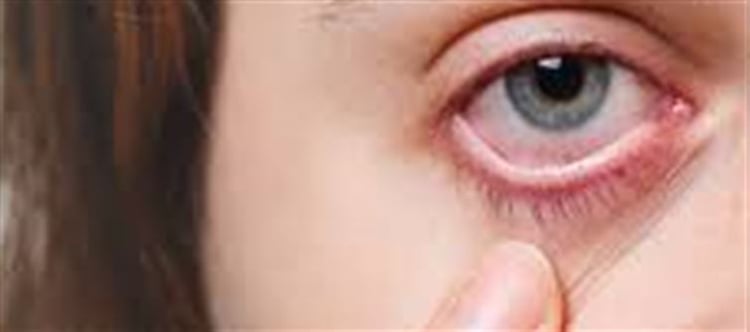

Winter brings cold winds, smog, and increased air pollution—factors that don’t just affect your lungs but can also harm your eyes. Here’s what you need to know:
1. Dry, Irritated Eyes
Cold, dry air combined with smog reduces moisture in your eyes.
Result: itchiness, redness, and a gritty feeling.
Tip: Use lubricating eye drops or artificial tears to maintain moisture.
2. Redness and Inflammation
Particulate matter and toxic gases can cause eye inflammation.
Symptoms include persistent redness, burning, or watery eyes.
Tip: Wear protective eyewear or wraparound glasses when outdoors.
3. Allergic Reactions
Pollutants often trigger allergic conjunctivitis, leading to swelling and watery eyes.
Tip: Limit outdoor exposure during high smog days and keep windows closed.
4. Increased Risk of Infections
Polluted air carries bacteria and viruses that can enter through the eyes.
Tip: Wash hands before touching your eyes and avoid rubbing them.
5. Long-Term Eye Damage
Chronic exposure may increase the risk of cataracts and age-related macular degeneration (AMD).
Tip: Regular eye check-ups are crucial, especially in high-pollution areas.
6. Protective Measures for Your Eyes This Winter
Wear glasses/goggles outdoors to shield eyes from pollutants.
Use a humidifier indoors to maintain moisture in dry, heated environments.
Rinse eyes with clean water after returning from polluted areas.
Maintain a nutrient-rich diet: vitamins A, C, and E support eye health.
Monitor air quality and avoid unnecessary outdoor activities on smoggy days.
💡 Bottom Line: air pollution doesn’t just affect your lungs—it can silently damage your eyes over time. Simple habits like eye protection, hydration, and diet can make a huge difference this winter.
Disclaimer:
The views and opinions expressed in this article are those of the author and do not necessarily reflect the official policy or position of any agency, organization, employer, or company. All information provided is for general informational purposes only. While every effort has been made to ensure accuracy, we make no representations or warranties of any kind, express or implied, about the completeness, reliability, or suitability of the information contained herein. Readers are advised to verify facts and seek professional advice where necessary. Any reliance placed on such information is strictly at the reader’s own risk.
 click and follow Indiaherald WhatsApp channel