


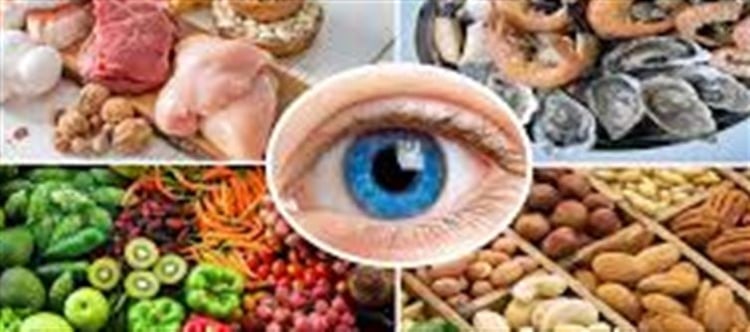

Our eyes are one of the most delicate and essential organs, yet many of us overlook how nutrition directly impacts vision. A diet rich in specific vitamins, minerals, and antioxidants can protect against age-related vision problems, reduce eye strain, and support overall eye health. Understanding the connection between food and vision is key to maintaining healthy eyes throughout life.
1. Why Nutrition Matters for Eye Health
The eyes are highly metabolically active organs, requiring constant oxygen and nutrient supply.
Deficiencies in key nutrients can lead to:
Dry eyes
Night blindness
Age-related macular degeneration (AMD)
Cataracts
Anti-inflammatory and antioxidant-rich foods help protect retinal cells from oxidative stress, a leading cause of vision decline.
2. Key Nutrients for Healthy Eyes
a) vitamin A
Essential for good night vision and maintaining the cornea.
Sources: Carrots, sweet potatoes, pumpkin, spinach, and liver.
b) lutein and Zeaxanthin
Antioxidants concentrated in the macula, protecting against UV light and oxidative damage.
Sources: Kale, spinach, broccoli, peas, and egg yolks.
c) vitamin C
Supports collagen formation in the eye and prevents cataracts.
Sources: Citrus fruits, strawberries, bell peppers, and guava.
d) vitamin E
Protects eye cells from free radical damage.
Sources: Almonds, sunflower seeds, peanuts, and avocados.
e) Omega-3 Fatty Acids
Essential for retinal function and tear production.
Sources: Fatty fish like salmon, mackerel, chia seeds, and flaxseeds.
f) Zinc
Plays a crucial role in bringing vitamin a from the liver to the retina.
Sources: Pumpkin seeds, chickpeas, lentils, and lean meats.
3. Foods That Specifically Support Vision
Food
Eye Benefit
Key Nutrients
Carrots
Improves night vision
Beta-carotene (Vitamin A)
Spinach & Kale
Reduces risk of AMD
Lutein & Zeaxanthin
Salmon & Mackerel
Supports retinal function
Omega-3 fatty acids
Bell Peppers & Citrus
Protects against cataracts
Vitamin C
Eggs
Maintains macular pigment
Lutein, Zeaxanthin, vitamin E
Almonds & Sunflower Seeds
Protects eye cells
Vitamin E
4. lifestyle Tips for Supporting Eye Health
Limit screen strain: Follow the 20-20-20 rule—look 20 feet away every 20 minutes for 20 seconds.
Wear sunglasses: Protect against UV rays, which accelerate macular degeneration.
Stay hydrated: Adequate water intake prevents dry eyes.
Regular eye check-ups: Detect problems early, especially for aging eyes or those with diabetes.
🌟 Key Takeaways
Eye health is closely linked to nutrition, with antioxidants, vitamins, and minerals playing a vital protective role.
Incorporating a variety of colorful fruits, vegetables, nuts, and fatty fish into your daily diet can significantly support vision.
Combined with lifestyle habits like reducing screen strain and wearing UV protection, proper nutrition can help preserve eyesight and prevent age-related decline.
Disclaimer:
The views and opinions expressed in this article are those of the author and do not necessarily reflect the official policy or position of any agency, organization, employer, or company. All information provided is for general informational purposes only. While every effort has been made to ensure accuracy, we make no representations or warranties of any kind, express or implied, about the completeness, reliability, or suitability of the information contained herein. Readers are advised to verify facts and seek professional advice where necessary. Any reliance placed on such information is strictly at the reader’s own risk.
 click and follow Indiaherald WhatsApp channel