
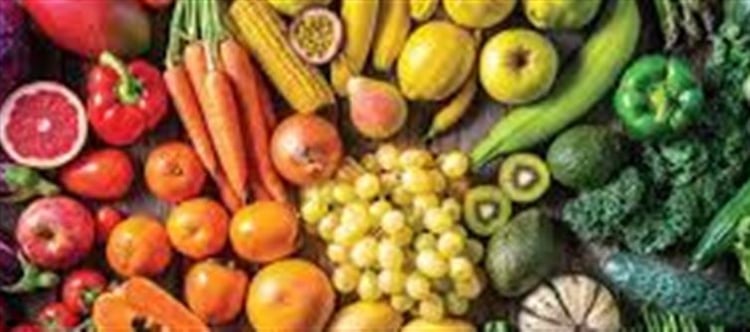


Living in cities with high air pollution and poor air quality index (AQI) exposes our bodies to free radicals, oxidative stress, and inflammation. Over time, this can lead to respiratory problems, premature aging, and even chronic diseases. The good news? Certain antioxidant-rich foods can help neutralize free radicals, reduce inflammation, and strengthen your body’s natural defense mechanisms.
How pollution Affects Your Body
Air pollution contains particulate matter (PM2.5, PM10), nitrogen dioxide, ozone, and other toxins that can:
Damage lung tissue and reduce respiratory efficiency.
Trigger oxidative stress, which harms cells, DNA, and vital organs.
Increase inflammation throughout the body, affecting heart and skin health.
Antioxidants help combat this damage by neutralizing harmful free radicals and supporting detoxification.
Top Antioxidant-Rich Foods
1. Berries (Blueberries, Strawberries, Raspberries)
Packed with vitamin C, anthocyanins, and flavonoids.
Reduce oxidative stress and inflammation caused by pollutants.
Perfect for breakfast, smoothies, or snacks.
2. Leafy Greens (Spinach, Kale, Fenugreek)
Rich in vitamins A, C, E, and carotenoids.
Help protect lung cells and boost immunity.
Add them to salads, soups, or stir-fries.
3. Nuts and Seeds (Almonds, Walnuts, Flaxseeds)
Contain vitamin E, omega-3 fatty acids, and polyphenols.
Protect cells from oxidative damage caused by pollution.
A small handful daily supports heart and brain health.
4. Citrus fruits (Oranges, Lemons, Grapefruits)
Excellent source of vitamin C, a powerful antioxidant.
Helps detoxify the body and improve immune defenses.
Drink fresh juice or add slices to water for a refreshing boost.
5. turmeric and Spices (Turmeric, Cinnamon, Ginger)
Contain curcumin and other anti-inflammatory compounds.
Help reduce oxidative stress and protect lung and heart health.
Add to curries, teas, or warm milk for daily consumption.
6. Green Tea
Rich in catechins and polyphenols, which protect cells from free radicals.
Supports liver detoxification and overall immunity.
Drink 1–2 cups daily for optimal effects.
7. Cruciferous Vegetables (Broccoli, Cauliflower, Cabbage)
Contain sulforaphane, a compound that boosts antioxidant enzymes.
Protects lungs and liver from toxic environmental pollutants.
Include them in stir-fries or steamed vegetable meals.
8. garlic and Onions
Contain allicin, a natural antioxidant with anti-inflammatory properties.
Help neutralize toxins and support cardiovascular health.
Use raw in salads or cooked in dishes for maximum benefits.
Tips for Maximizing antioxidant Intake
Eat a colorful diet: The more colors on your plate, the wider the range of antioxidants.
Include raw and lightly cooked vegetables: Overcooking may reduce antioxidant content.
Pair with healthy fats: vitamin A, D, E, and K are fat-soluble, so combine leafy greens with olive oil, nuts, or avocado.
Stay hydrated: Water helps flush out toxins and supports detoxification.
🌟 Bottom Line
Air pollution may be unavoidable in many cities, but a pollution-protective diet can significantly reduce its impact on your health. Including berries, citrus fruits, leafy greens, nuts, spices, and green tea in your daily meals strengthens your antioxidant defenses, supports your lungs, heart, and skin, and helps your body fight the toxic effects of pollution.
Disclaimer:
The views and opinions expressed in this article are those of the author and do not necessarily reflect the official policy or position of any agency, organization, employer, or company. All information provided is for general informational purposes only. While every effort has been made to ensure accuracy, we make no representations or warranties of any kind, express or implied, about the completeness, reliability, or suitability of the information contained herein. Readers are advised to verify facts and seek professional advice where necessary. Any reliance placed on such information is strictly at the reader’s own risk.
 click and follow Indiaherald WhatsApp channel